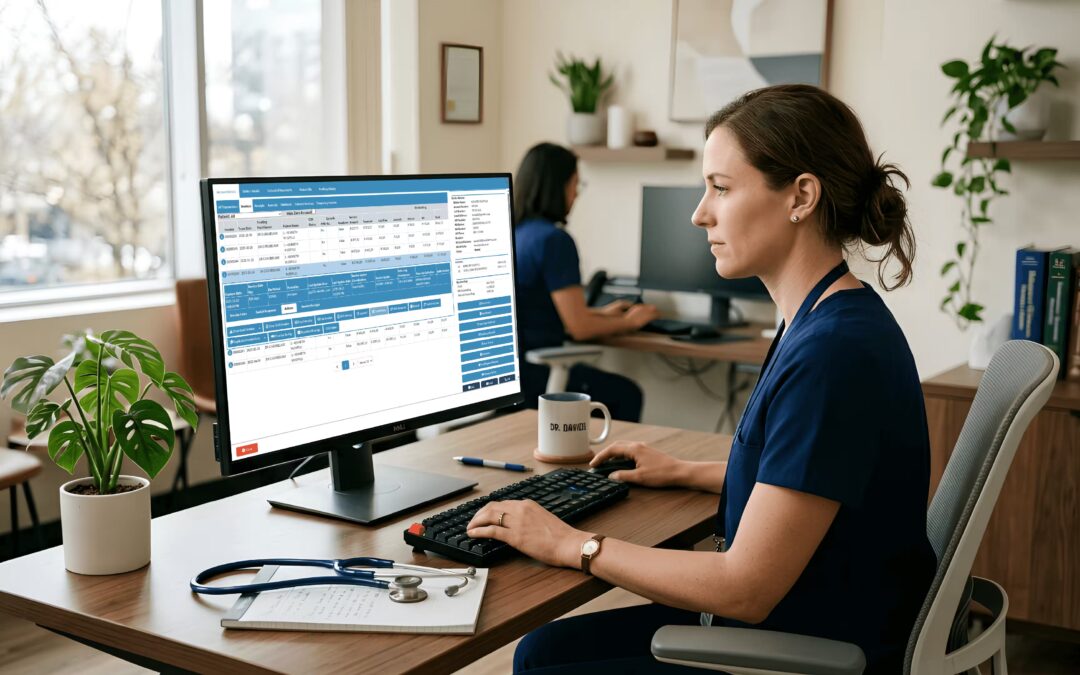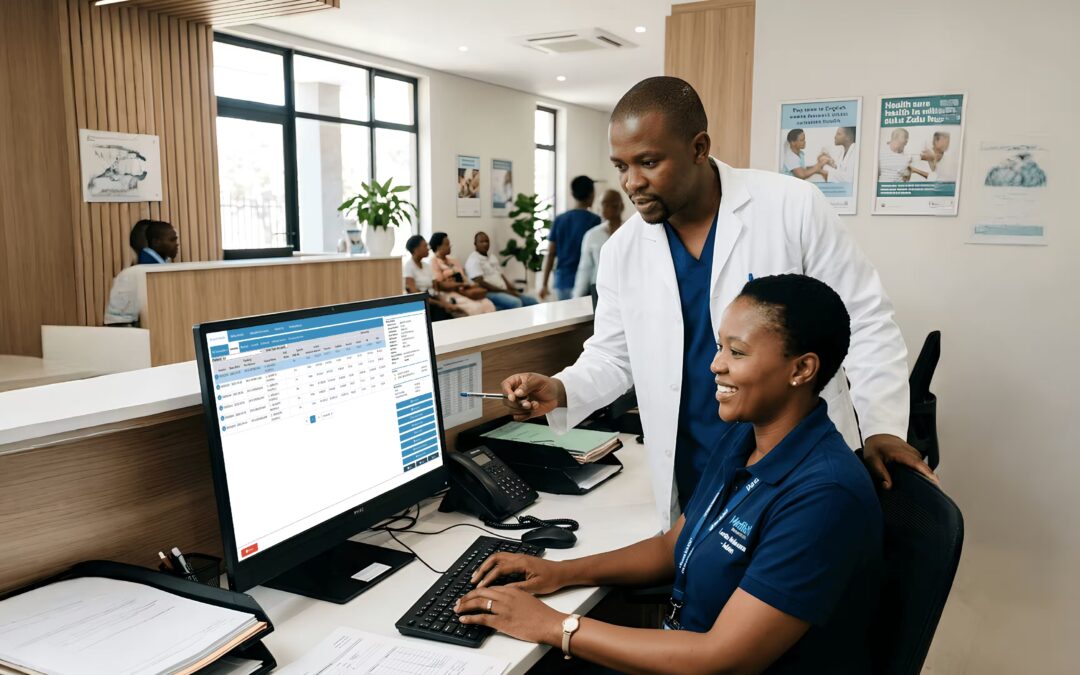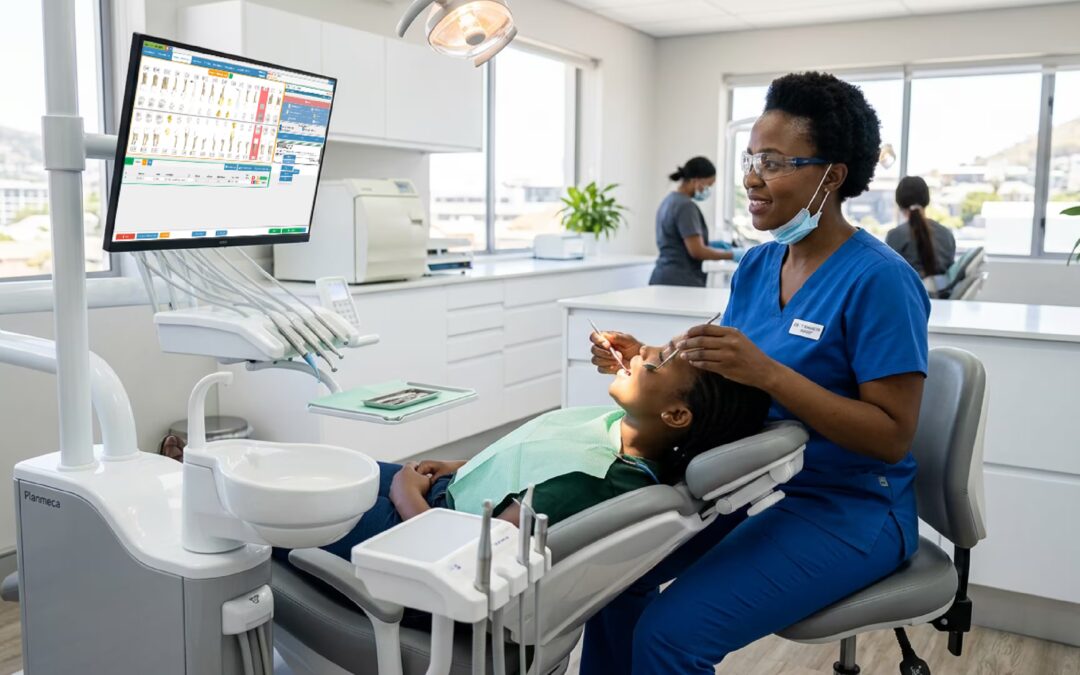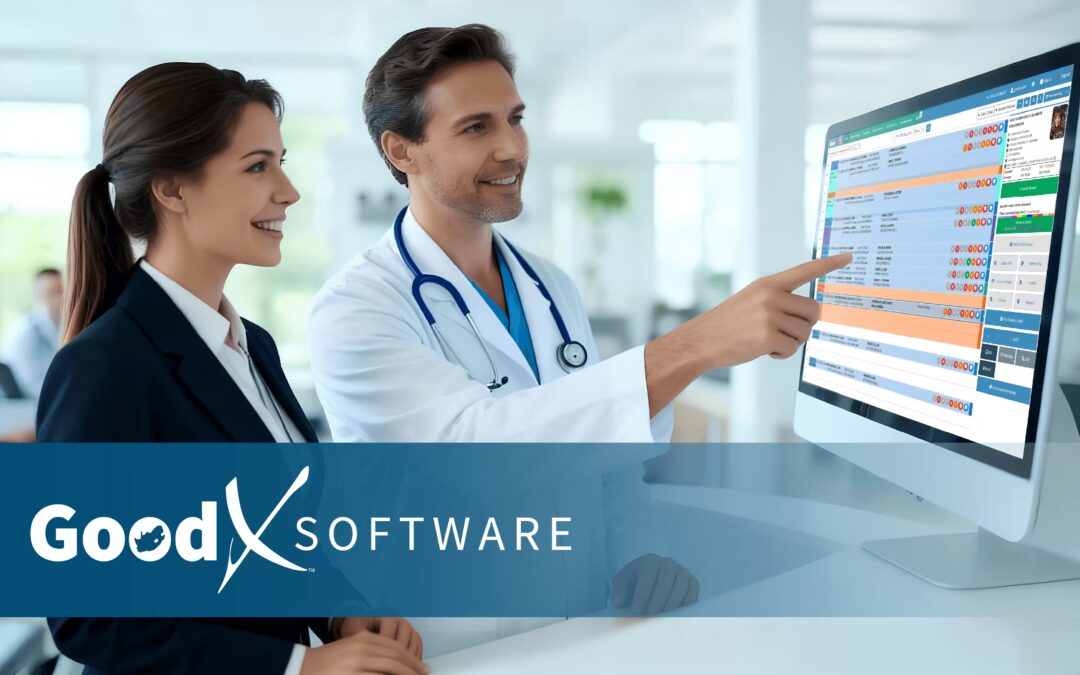
If your practice still runs on paper files or disconnected spreadsheets, you are spending more time managing records than managing care. EHR computer software changes that by bringing your clinical and administrative workflows into one digital system, making your practice faster, more accurate, and much easier to run.
For South African medical professionals, the shift to digital health records is no longer just about convenience. It is about staying compliant, reducing admin burden, and delivering the standard of care patients expect. This guide breaks down what EHR software is, who it is for, and what to look for when selecting a platform for your practice.
EHR Software Meaning: What It Is and Why It Matters
EHR stands for Electronic Health Record. At its core, EHR computer software is a digital version of a patient chart, but it goes much further than simply storing names and diagnoses.
What is an EHR software? It is a live, real-time system that captures every interaction a patient has with your practice. This includes clinical notes, diagnoses, treatment plans, medication histories, lab results, imaging, and billing information. Unlike a paper file sitting in a cabinet, an EHR is searchable, securely shareable within authorised networks, and always current.
The World Health Organization recognises electronic health information systems as a core pillar of a functional health system. When practices move to digital records, patient outcomes improve because clinicians have faster access to accurate data at the point of care.
For South African GPs and specialists, this translates directly into shorter consultation times, fewer errors, and a much cleaner audit trail for medical aid claims.
EHR for Small Health Clinics in South Africa
One of the most common misconceptions is that EHR computer software is only for large hospitals or group practices. Some of the greatest gains, however, come from small clinics and solo practitioners.
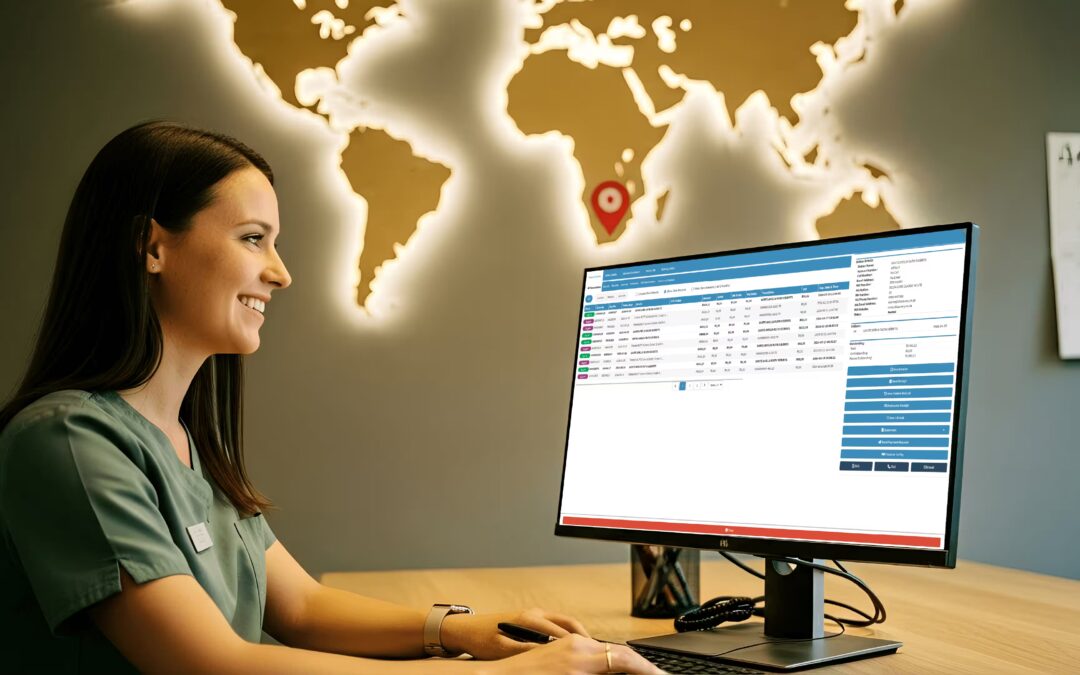
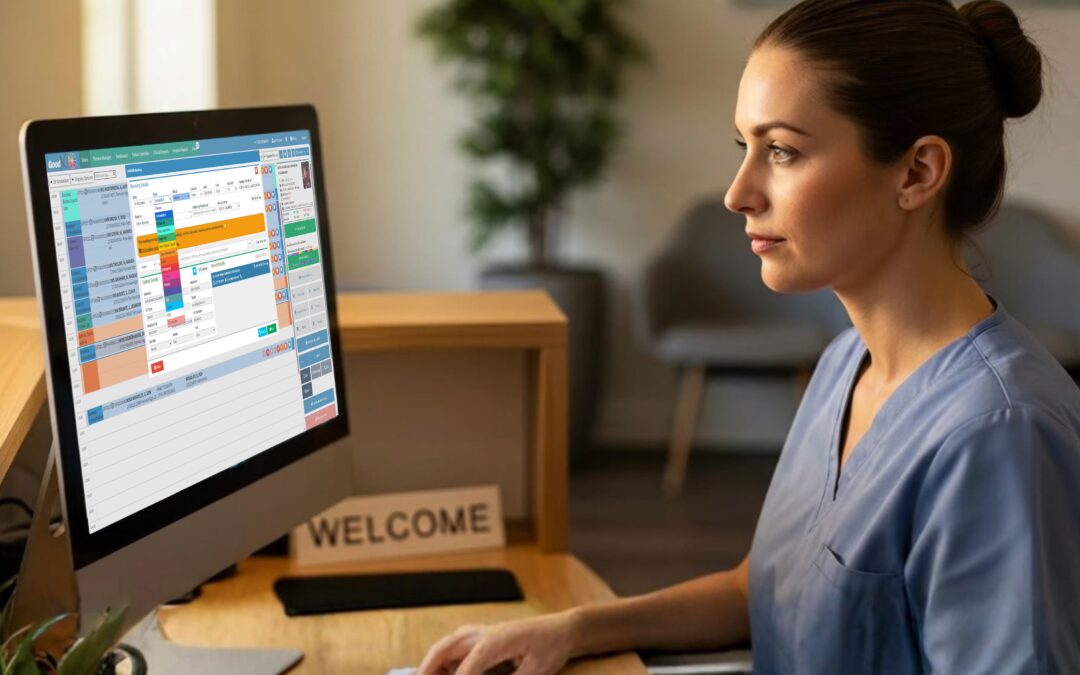
Small health clinics benefit enormously from a well-designed EHR because the administrative burden typically falls on one or two staff members. When a single receptionist handles bookings, billing, and patient files simultaneously, errors become inevitable. EHR software reduces that pressure by automating repetitive tasks like appointment reminders, claim submissions, and receipt generation.
The Health Professions Council of South Africa (HPCSA) sets clear standards for record-keeping that all registered practitioners must meet. A quality EHR system is designed around those requirements, making compliance far easier to maintain. Records are timestamped, backed up, and protected by access controls that paper files simply cannot offer.
Whether you run a single-room GP practice in Pretoria or a multi-practitioner clinic in Cape Town, the right EHR solution scales to your needs without unnecessary complexity.
What Are the Three Types of EHR?
Not all EHR systems are built the same way. Understanding the landscape helps you make a smarter choice for your practice.
- Standalone or Practice-Specific EHR Systems. These are designed for a single practice or practitioner. They are easier to set up and manage, and they focus on features most relevant to your speciality. GoodX, for example, is purpose-built for South African medical practices and covers everything from consultations to billing under one roof.
- Integrated EHR Systems. These connect multiple departments or disciplines within a single platform. Larger group practices or multi-speciality clinics often opt for integrated systems because patient data flows seamlessly between, say, a GP and a physiotherapist in the same network.
- Cloud-Based EHR Systems. Rather than installing software on local servers, cloud-based EHRs are hosted online and accessed via a browser or app. This makes them accessible from anywhere, with updates and backups handled automatically. According to Health IT Analytics, cloud adoption in healthcare is accelerating because it reduces infrastructure costs and improves flexibility for practices of all sizes.
Most modern EHR platforms, including GoodX, blend elements of all three. They are cloud-based, built around practice-specific workflows, and flexible enough to connect with other systems as your needs grow.
Can I Make My Own EHR?
This question comes up more often than you might expect, particularly from tech-savvy practitioners who want something tailored to their exact workflow. Technically, yes, you can build a custom EHR. But it is rarely a practical decision.
Can I make my own EHR? Building a clinical-grade system from scratch means complying with the Protection of Personal Information Act (POPIA), integrating with medical aid schemes, and supporting ICD-10 coding standards. A custom build could take years and significant investment, with ongoing maintenance costs on top.
A far more practical approach is to choose a proven platform like GoodX, which already carries those compliance and integration layers, and configure it to your specific practice needs. You gain the benefit of customisation without the engineering cost or regulatory risk.
How Much Does an EHR System Cost?
How much does an EHR system cost? This depends on the vendor, the number of practitioners using the system, and whether you choose a cloud-based subscription or a once-off licence. In South Africa, monthly subscription models have become the norm because they spread the cost over time and include ongoing support and updates.
The real question is not what the software costs but what it saves. Practices that move to a full EHR system typically see faster medical aid payments, fewer claim rejections, and significant reductions in administrative overtime. The return on investment tends to arrive quickly.
What to Look for in EHR Computer Software for South Africa
Not every EHR is built for the South African market. Many international platforms lack ICD-10 SA coding support, do not integrate with local medical aid schemes, and offer support from different time zones. When evaluating options, these factors matter most.
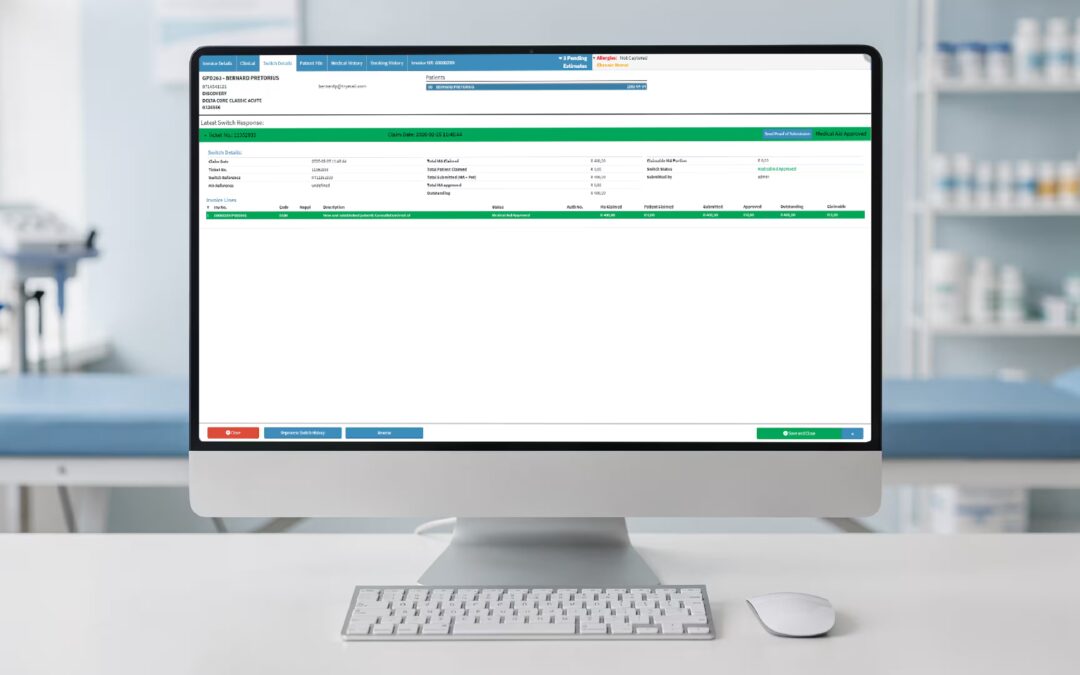
Local medical aid integration is essential. Your EHR should submit claims directly to schemes and manage remittances without manual workarounds. GoodX has been built specifically around South African billing workflows, which means less friction from day one.
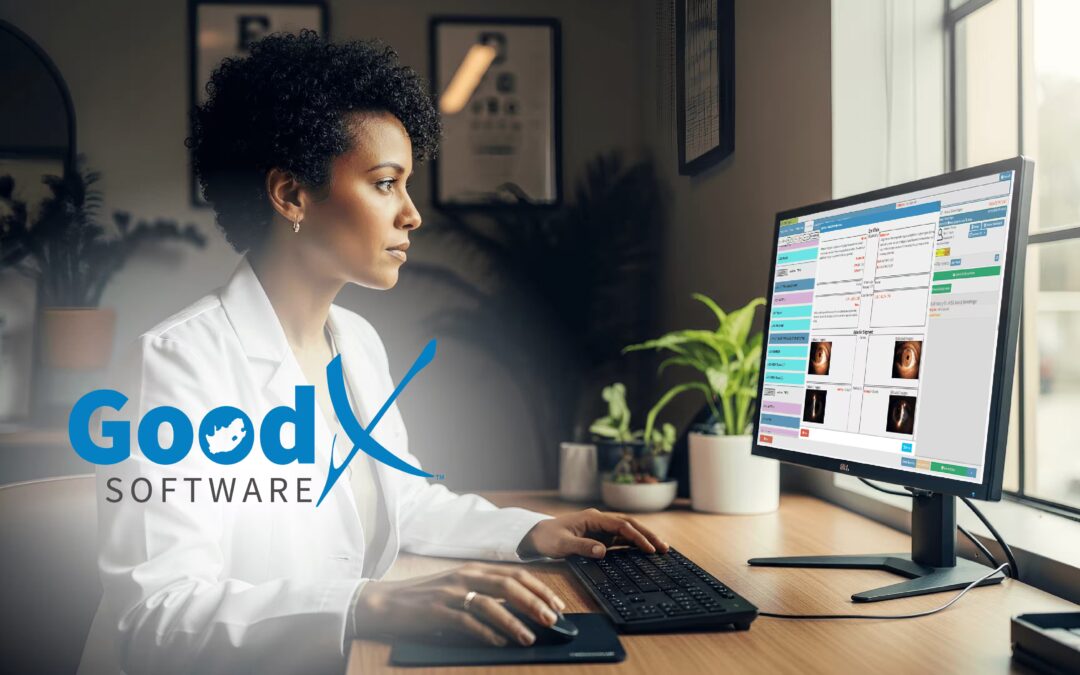
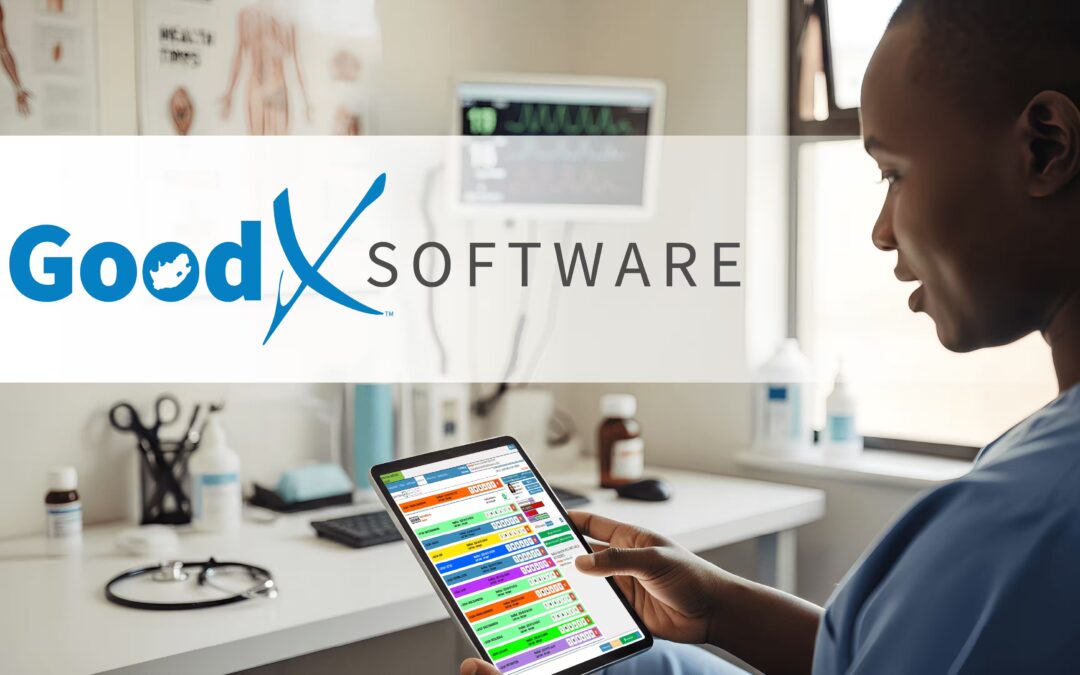
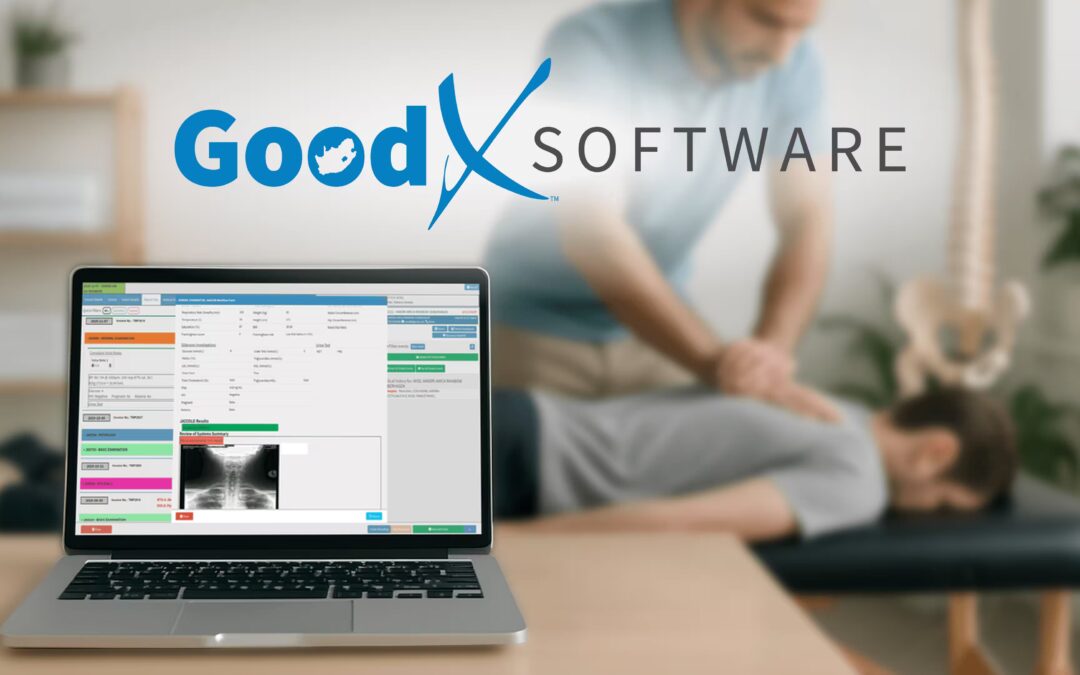
Clinical workflow support matters just as much as billing. A good EHR lets you create consultation notes, attach documents, manage chronic prescriptions, and track patient history from a single screen.
Data security and POPIA compliance is critical. According to the Information Regulator of South Africa, healthcare providers have specific obligations regarding how patient data is collected, stored, and shared. A fully compliant EHR takes this responsibility seriously, so your practice is protected.
Frequently Asked Questions
What is EHR computer software used for in a medical practice?
EHR computer software is used to capture, store, and manage patient clinical information digitally. This includes consultation notes, diagnoses, prescriptions, lab results, and billing data. It replaces paper files with a centralised system that is faster to access, easier to audit, and more secure for both patients and practitioners.
Is EHR software mandatory for South African GPs?
There is currently no blanket legislative mandate requiring all South African GPs to use EHR software. However, the HPCSA requires practitioners to maintain accurate and accessible patient records at all times. A quality EHR system makes meeting this standard significantly easier and more defensible in the event of a complaint or audit.
What are the three types of EHR systems available?
The three main types are standalone practice-specific EHRs, integrated multi-department EHRs, and cloud-based EHRs. Most modern solutions, including GoodX, blend all three approaches to offer flexibility, local integration, and easy accessibility from any device with an internet connection.
How long does it take to implement EHR computer software?
Implementation timelines vary by practice size and complexity. A solo GP practice can typically be operational within days. Larger multi-practitioner setups may take a few weeks to migrate data and train staff. Reputable vendors offer onboarding support to minimise disruption to your daily schedule.
Can small clinics afford EHR computer software?
Yes. Many EHR providers offer subscription-based pricing that is well within reach for solo and small-group practices. The cost is typically offset within months by time saved on admin, faster claim processing, and fewer billing errors that lead to rejected or delayed medical aid payments.
Ready to See GoodX in Action?
GoodX is South Africa’s trusted EHR and practice management platform, built specifically for local practitioners and their medical aid workflows.
To find out how it can transform your clinical and billing processes, book a free demo with the team at goodx.co.za.