If you run a busy general practice in South Africa, you have probably heard the term EMR more times than you can count. Suppliers use it, colleagues mention it, and the regulators expect it. Yet very few people stop to explain what it really means for the way you see patients each day.
An EMR, or electronic medical record, is the digital version of the paper chart that has lived in your filing cabinet for years. It holds a patient’s history, diagnoses, medication, test results and consultation notes in one secure place. The difference is that a good system makes all of that information searchable, shareable and far harder to lose.
This guide walks through the meaning of EMR, how it supports everyday clinical work, and what changes when records move into a hospital or multi site environment. The aim is to help South African practitioners make a confident, informed choice rather than a rushed one.
EMR Meaning and Why It Matters
The EMR meaning is simpler than the jargon suggests. It is a digital record of a single patient’s care within one practice or organisation. Think of it as the clinical brain of your rooms, holding everything from allergies to the last script you signed.
People often confuse an EMR with an electronic health record, or EHR. The distinction is useful. An EMR sits inside one practice, while an EHR is designed to follow a patient across many providers. For most independent South African practices, a strong EMR is the foundation, and the broader sharing comes later.
The World Health Organization has long argued that reliable digital records improve safety and continuity of care. Its guidance frames record keeping as a core building block of any modern health system.
For practitioners, the practical payoff is clarity. When a patient walks in, you see their full picture in seconds instead of paging through folders. That speed translates into better decisions, fewer repeated tests and more time spent actually listening.
EMR Medical Records in Everyday Practice
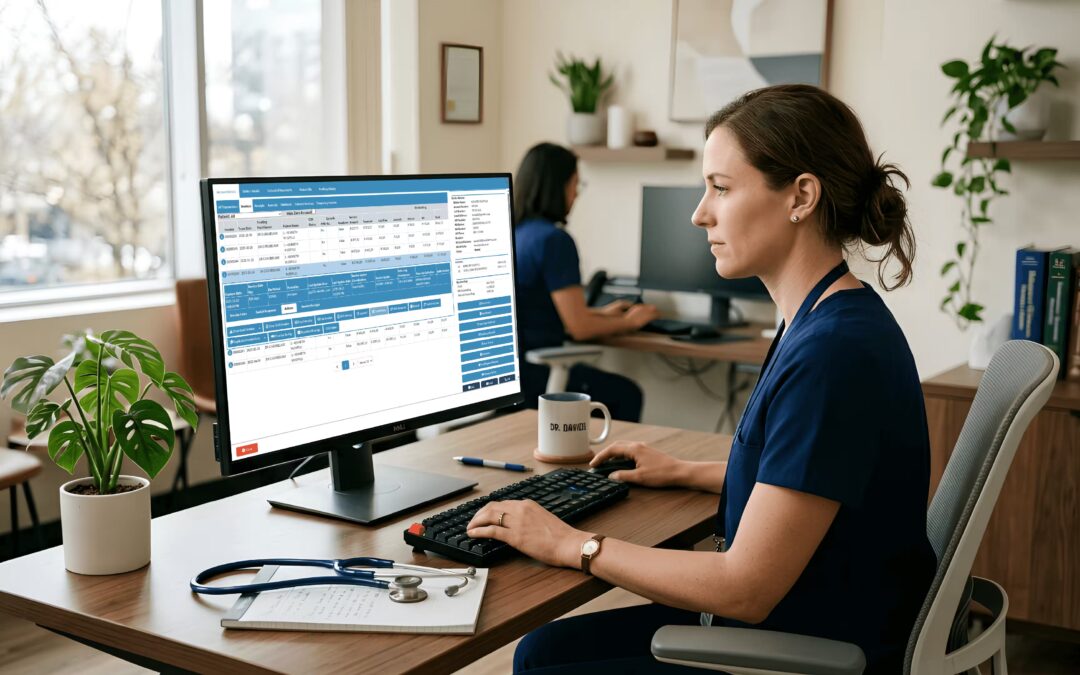
Strong EMR medical records change the rhythm of a consulting room. Notes are typed or dictated as you go, scripts are generated and checked against a patient’s history, and referrals are produced without hunting for a letterhead. The administrative drag that wears down so many practices begins to lift.
Compliance also becomes less stressful. South African practices must protect patient information under the Protection of Personal Information Act, and they answer to professional standards set by the Health Professions Council of South Africa. A well built EMR supports both by controlling who sees what and by keeping a clear audit trail of every change.
Billing is where many practices feel the benefit fastest. When clinical notes, procedure codes and accounts live in the same system, claims go out cleanly and rejections fall. Cash flow steadies because nothing slips through the cracks between the consulting room and the front desk.
There is a human side too. When the software handles the repetitive admin, your team has more energy for patients. Reception is calmer, nurses spend less time chasing paper, and you finish the day with notes already complete rather than waiting at home.
EMR in Hospital and Multi Site Settings
The picture grows more complex when you look at EMR in hospital environments. A hospital may run dozens of wards, theatres and clinics at once, with hundreds of staff all touching the same records. The system has to keep that information accurate and available without ever slowing clinical work.
In these settings, an EMR has to talk to laboratory systems, pharmacy, radiology and admissions. Results need to flow back to the right patient automatically, and a doctor moving between wards must see a consistent record on every screen. This is where reliability and good design matter most.
South Africa’s public and private hospitals operate under guidance from the National Department of Health, which continues to push for safer, more connected digital systems. For a group practice planning to scale, choosing software that already handles multi site complexity saves a painful migration later.
Even if you run a single practice today, it helps to think ahead. A platform that supports both a small clinic and a large institution gives you room to grow without changing systems every few years.
How to Choose the Right EMR for Your Practice
With so many systems on the market, the choice can feel overwhelming. The trick is to start with your own workflow rather than a feature list. Map out how a patient moves from booking to consultation to payment, then ask each supplier to show you that exact journey in their software.
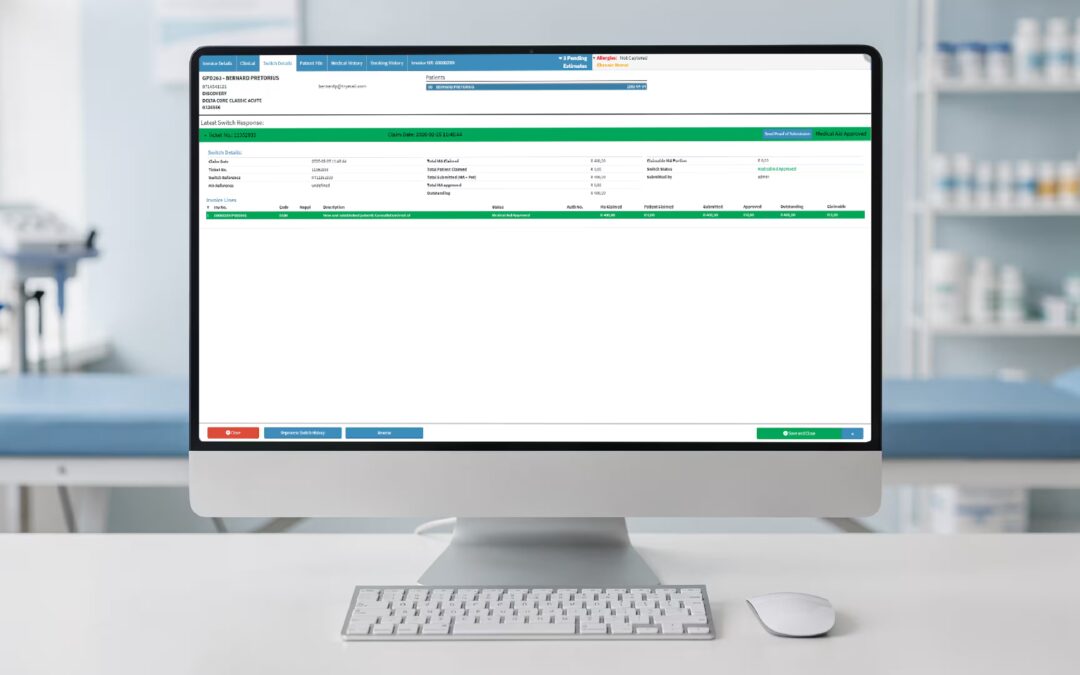
In South Africa, medical aid claims and cash patients sit side by side, so an EMR that keeps clinical notes, scheduling and accounts in one place removes a huge amount of friction. Ask how the system handles medical aid submissions, rejections and reconciliations, because that is where many practices lose time and money.
Software is only as good as the help behind it. Find out how onboarding works, how quickly support responds, and whether training is available in a format your team can actually use. Confirm too that your patient data remains yours and can be exported if you ever need it.
Finally, think about the next five years rather than the next five months. A practice that plans to add a partner, open a second branch or move towards a paperless front desk should pick a platform with room to grow. The right EMR should feel like an investment in how your rooms will run, not just a tool for today.
Frequently Asked Questions
What does EMR stand for?
EMR stands for electronic medical record. It is the digital version of a patient’s paper chart within a single practice, holding their history, diagnoses, medication, results and consultation notes in one secure, searchable place that your whole team can access.
What is the difference between an EMR and an EHR?
An EMR holds a patient’s record inside one practice, while an electronic health record is built to share information across many providers. Most South African practices start with a strong EMR and add wider sharing as their needs grow over time.
Is an EMR safe under South African privacy law?
Yes. A well designed EMR helps practices meet their obligations under the Protection of Personal Information Act by controlling user access, encrypting data and keeping an audit trail. Good software makes compliance easier rather than adding another burden.
Can a small practice use the same EMR as a hospital?
Often yes. The strongest platforms scale from a single set of rooms to large multi site institutions. Choosing software that supports both means you can grow without the cost and disruption of moving to a new system later on.
Book Your Free GoodX Demo
Choosing an EMR is a long term decision, and the best way to judge a system is to see it working with your own kind of patients and workflows.
Ready to see how a modern EMR fits your practice? Contact our South African team to book your free GoodX demo and watch your records, scheduling and billing work together in one place.