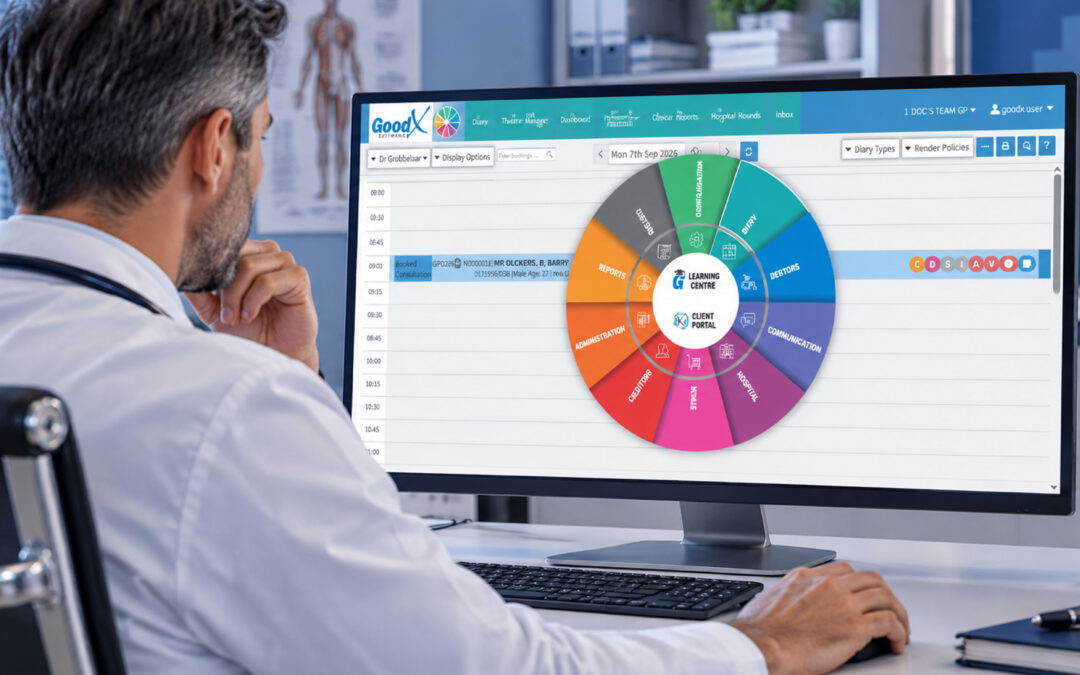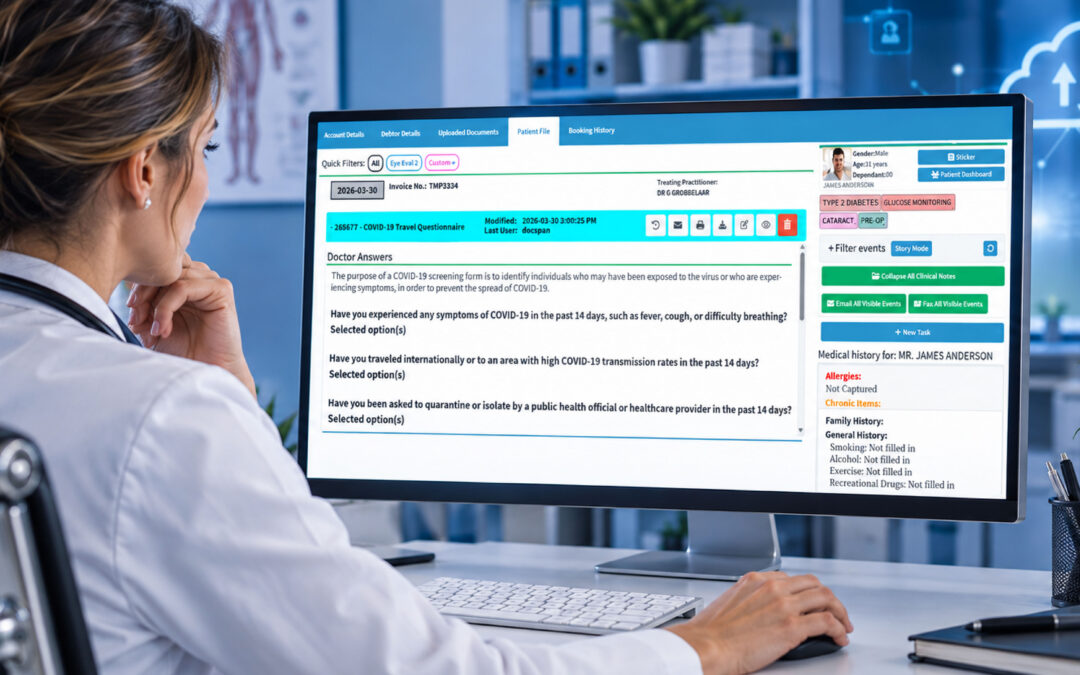
Running a medical practice in South Africa means managing two things at once: delivering quality patient care and keeping the business financially healthy. These two responsibilities can pull in opposite directions if the right tools are not in place. Medical practice accounting software brings them together, giving you a clear picture of your income, expenses, and outstanding claims without drowning in spreadsheets or manual reconciliations.
This guide covers what to look for in accounting software for medical practices, why generic bookkeeping tools often fall short, and how an integrated healthcare software solution changes the financial picture for South African practitioners.
Healthcare Software Solutions: Why Generic Accounting Tools Fall Short
General accounting software is designed for businesses in general. Medical practices, however, operate under a completely different set of rules. You are dealing with medical aid scheme payments, ICD-10 codes, tariff schedules, HPCSA compliance requirements, and patient billing cycles that bear no resemblance to a standard invoicing workflow.
Healthcare software solutions built specifically for medical practices understand this complexity. They integrate clinical billing with financial reporting, so the moment a consultation is captured, the corresponding claim is generated, submitted, and tracked. There is no double-entry between a clinical system and a separate accounting package, and no risk of figures not reconciling at month end.
According to the South African Medical Association (SAMA), financial mismanagement is one of the leading causes of preventable practice failure. When billing and accounting are fragmented across different tools, revenue leaks happen quietly and often go undetected until the damage is significant.
What is the best bookkeeping software for medical practice? The answer is almost always a platform that was designed for healthcare, not one that was adapted for it. Integration is the difference between knowing exactly what you are owed and hoping the numbers add up.
Medical Software App: Managing Your Practice From Anywhere
The days of being tied to a single office computer to run your financial reports are over. A modern medical software app extends your practice management to wherever you are, whether that is between ward rounds, at a conference, or reviewing end-of-month figures from home.
What software do medical billers use? The most effective billing staff rely on platforms that combine a browser-based desktop experience with mobile app access. This means they can process claims, check payment statuses, and reconcile accounts from any device without needing to physically be in the practice.
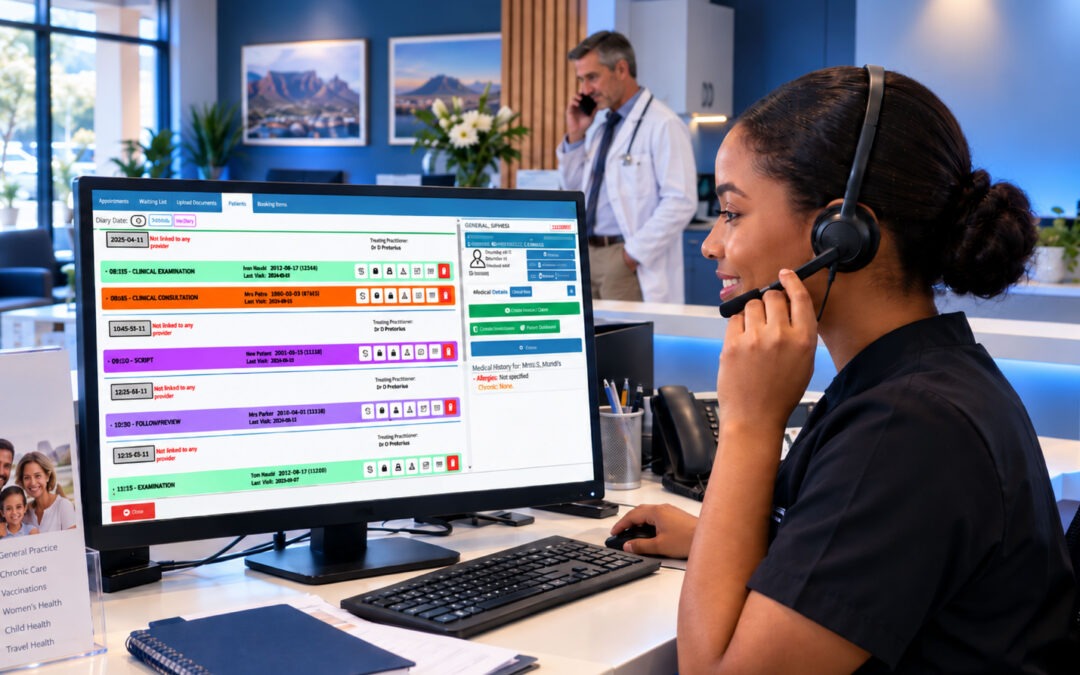
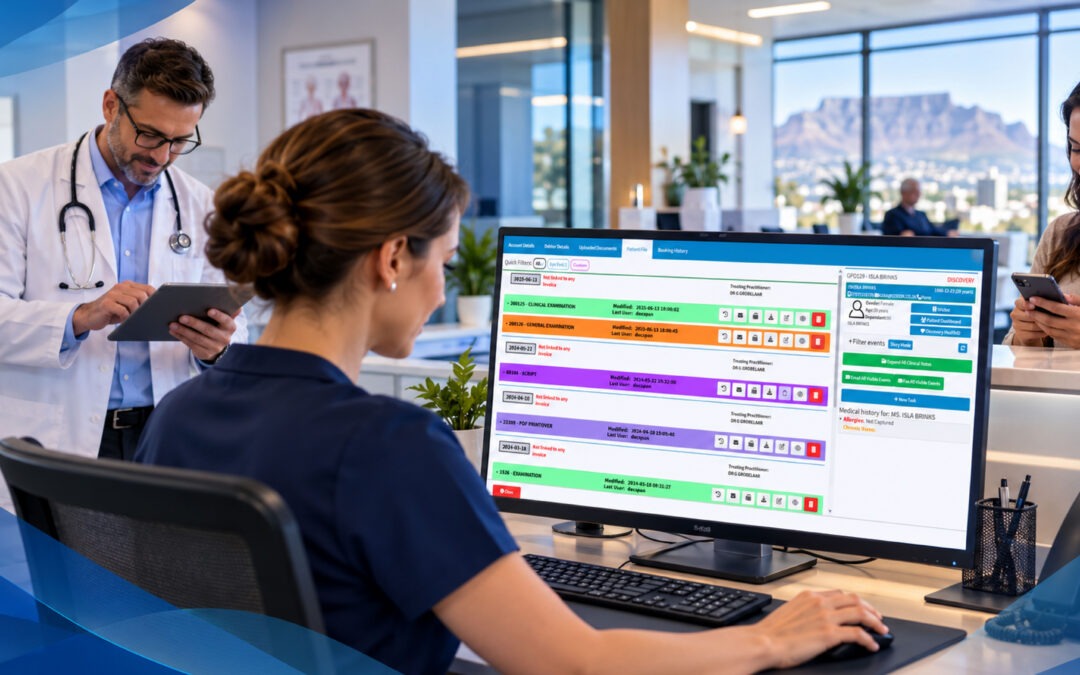
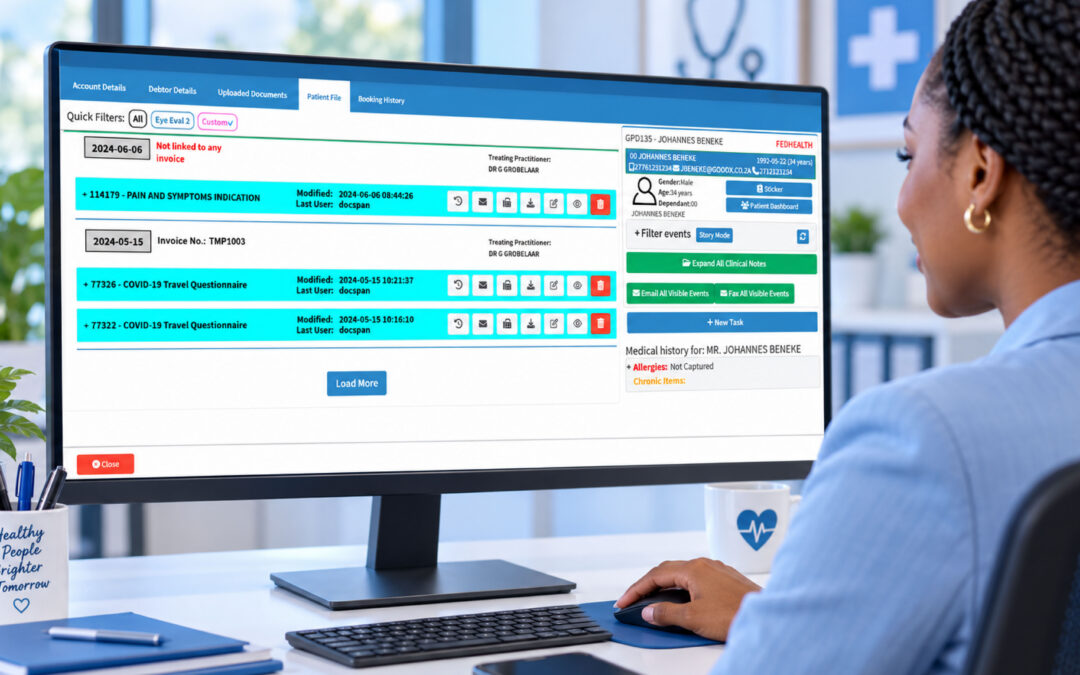
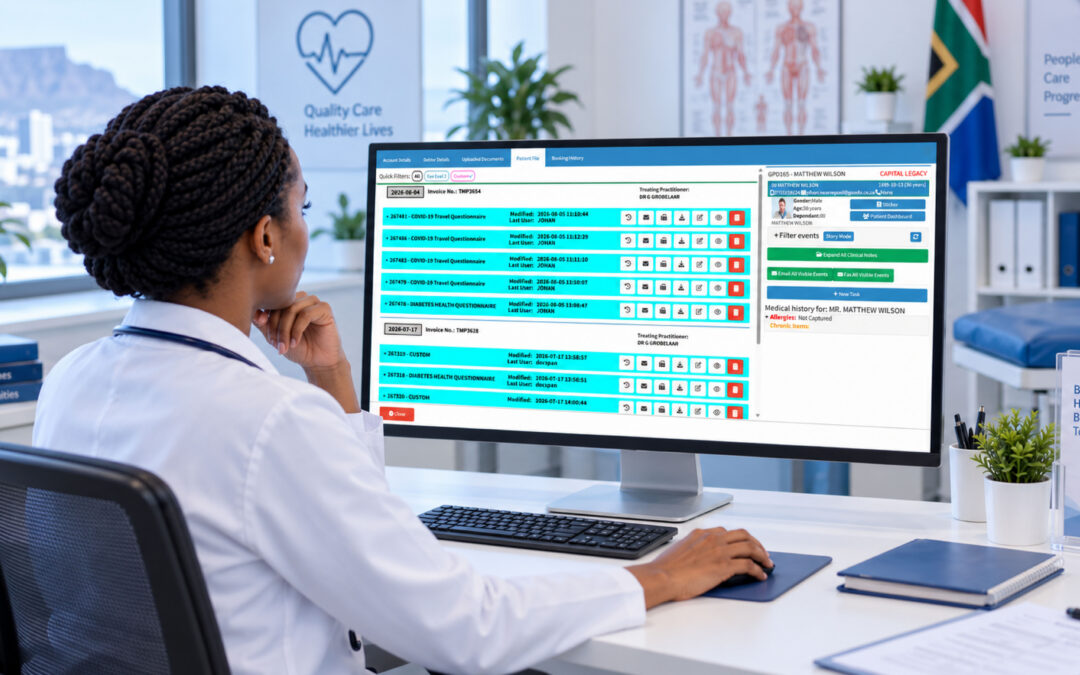
GoodX offers exactly this kind of flexibility. The platform is accessible via browser and app, meaning your receptionist can capture a consultation while your billing administrator follows up on outstanding claims, all in real time and in the same system. There is no duplication, no version conflicts, and no end-of-day syncing required.
The Council for Medical Schemes in South Africa processes millions of claims annually. Practices that submit claims digitally through integrated software see faster turnaround times and fewer rejections than those still relying on paper-based or manually captured submissions.
Modern Practice Software: What It Should Actually Do for You
Modern practice software is not just about replacing paper. It should actively improve the financial performance of your practice. Here is what that looks like in practice.
Automated claim submission is the first major lever. Every time a consultation is completed and captured, the system should generate and submit the corresponding medical aid claim without any additional steps from your team. Delays in submission lead directly to delays in payment.
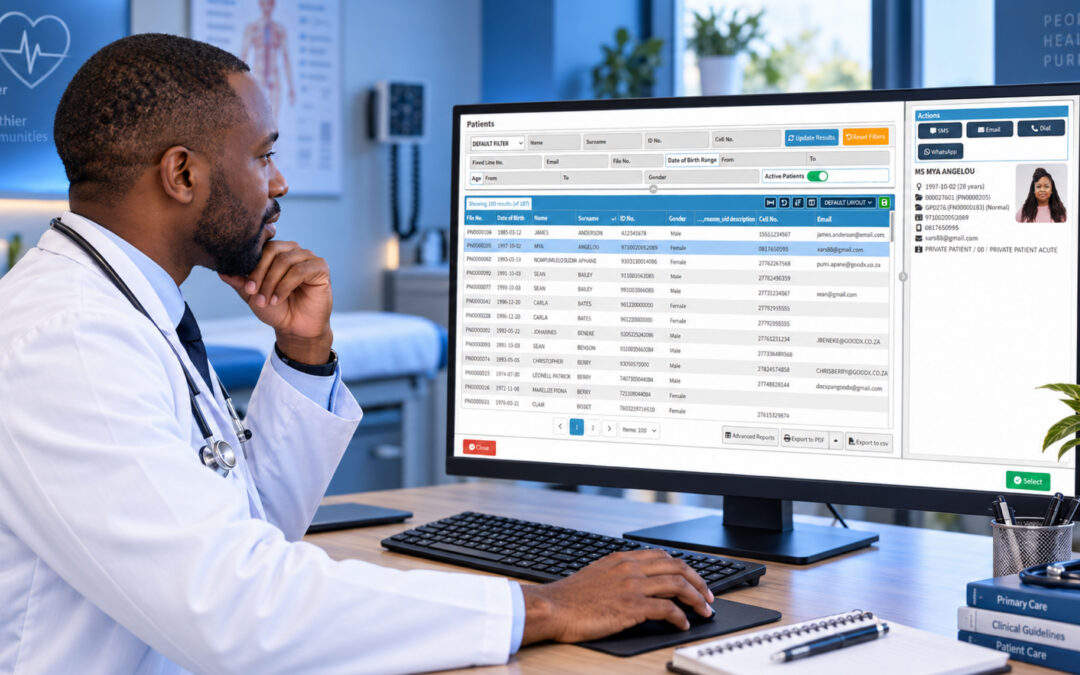
Real-time financial dashboards give practice owners and managers a live view of revenue, outstanding debtors, and claim statuses. You should never have to wait for a month-end report to know whether your practice is performing financially. What software do GP practices use that gives them this visibility? The answer is a purpose-built platform with a financial reporting module, not a generic ledger tool.
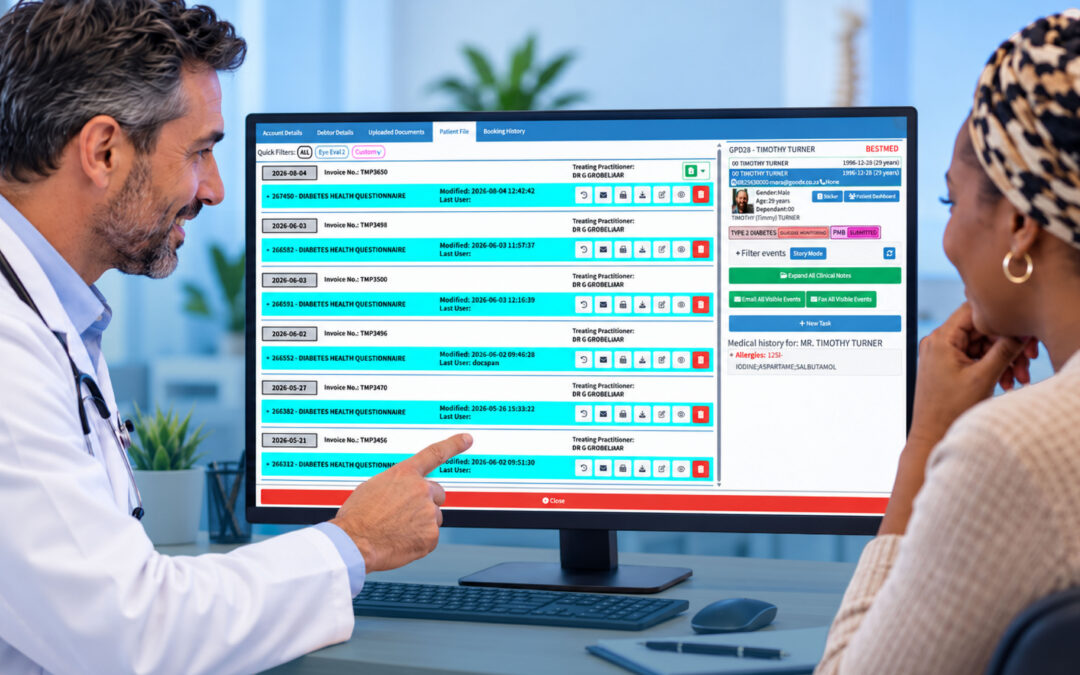
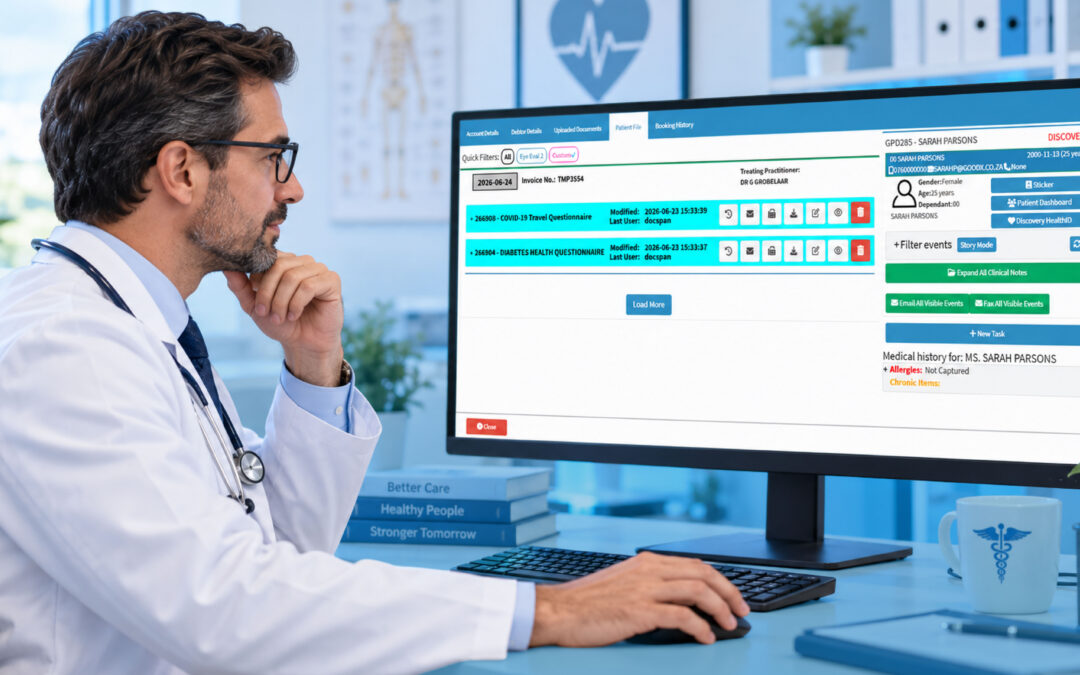
Patient account management is another area where medical-specific software shines. Practices often have a mix of fully medical-aid-covered patients, partial cover patients, and private-pay patients. Managing these three billing streams in a single system, with automatic calculation of patient liability, saves significant administrative time and reduces billing disputes.
According to Health Management Technology, practices that adopt integrated billing and accounting software report an average reduction in claim rejection rates of up to 30 percent. That directly translates into faster cash flow and less time spent on resubmissions and follow-ups.
What Is the Best Bookkeeping Software for Medical Practice in South Africa?
The best bookkeeping software for a South African medical practice is one that was designed with local medical aid schemes, ICD-10 SA coding, and HPCSA compliance in mind. GoodX has been built from the ground up for this market.
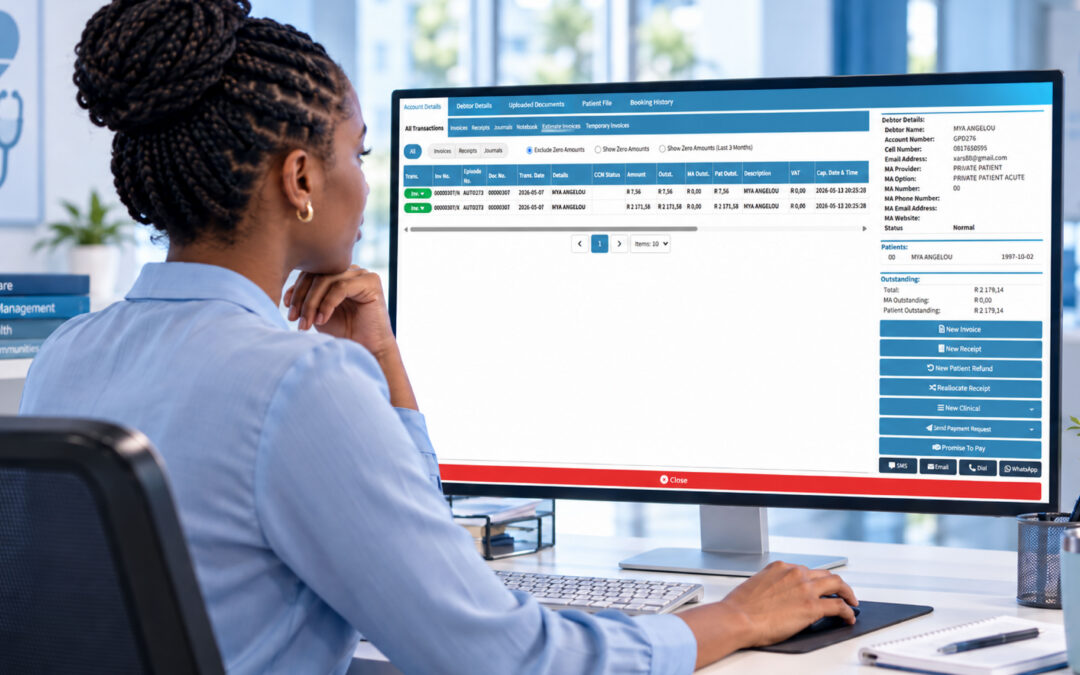
Beyond billing, GoodX handles full practice financial management, including debtor tracking, receipts, and payment allocation, all within the same platform that manages your clinical records. You get a single source of truth for both clinical and financial data, which makes audits, reports, and business decisions far simpler.
Frequently Asked Questions
What is the best bookkeeping software for a medical practice?
The best bookkeeping software for a medical practice is one built specifically for healthcare billing and accounting. Generic tools like standard small-business accounting software lack the medical aid integration, ICD-10 coding, and claim management features that practices need. Purpose-built platforms like GoodX offer all of these in a single integrated system.
What software do medical billers use in South African practices?
Medical billers in South African practices typically use practice management software with integrated billing modules. These allow billers to capture consultations, generate claims using ICD-10 codes and tariff schedules, submit to medical aid schemes electronically, and track payment statuses. GoodX covers all of these functions within one platform.
Can I use general accounting software like a standard bookkeeping app for my practice?
You can use generic accounting software, but it will not handle medical aid claims, ICD-10 coding, or scheme-specific tariff schedules. You would need a separate clinical billing tool and then manually reconcile the two systems. This increases admin time, introduces reconciliation errors, and slows down your revenue cycle significantly.
What software do GP practices use for financial management?
GP practices in South Africa use a mix of tools depending on their size, but the most efficient practices use a single integrated platform that handles both clinical records and financial management. GoodX is one of the most widely used solutions in the local market precisely because it eliminates the need for separate clinical and accounting tools.
How does medical practice accounting software help with cash flow?
Medical practice accounting software improves cash flow by automating claim submission, reducing the time between consultation and payment. It also flags outstanding debtors, tracks partial payments from medical aid schemes versus patient liabilities, and provides real-time financial dashboards so practice owners can identify and address cash flow issues before they become serious problems.
See How GoodX Handles the Full Financial Picture for Your Practice
GoodX is South Africa’s integrated practice management and accounting platform, designed to simplify billing, reduce claim rejections, and give you real-time visibility into your practice finances.