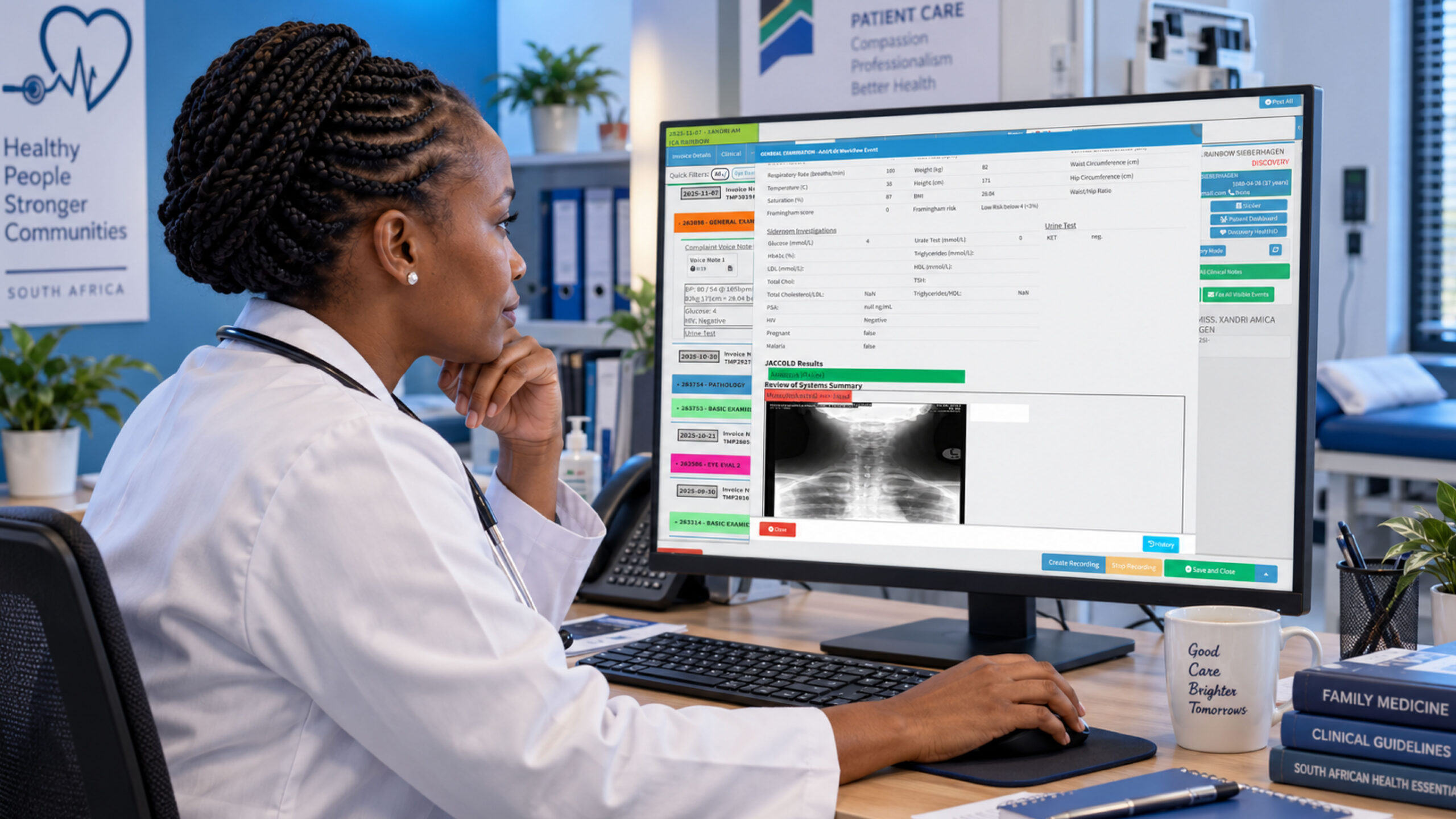
Clinic Record Management Systems: A Guide for SA Practices
A clinic record management system can make a major difference to how South African practices store, access and manage patient information. Instead of relying entirely on paper files, clinics can use digital systems to keep important medical information organised and accessible to authorised healthcare professionals.
For busy practices, this isn’t simply about going paperless. It is about making sure the right patient information is available when it is needed.
What Is a Clinic Record Management System?
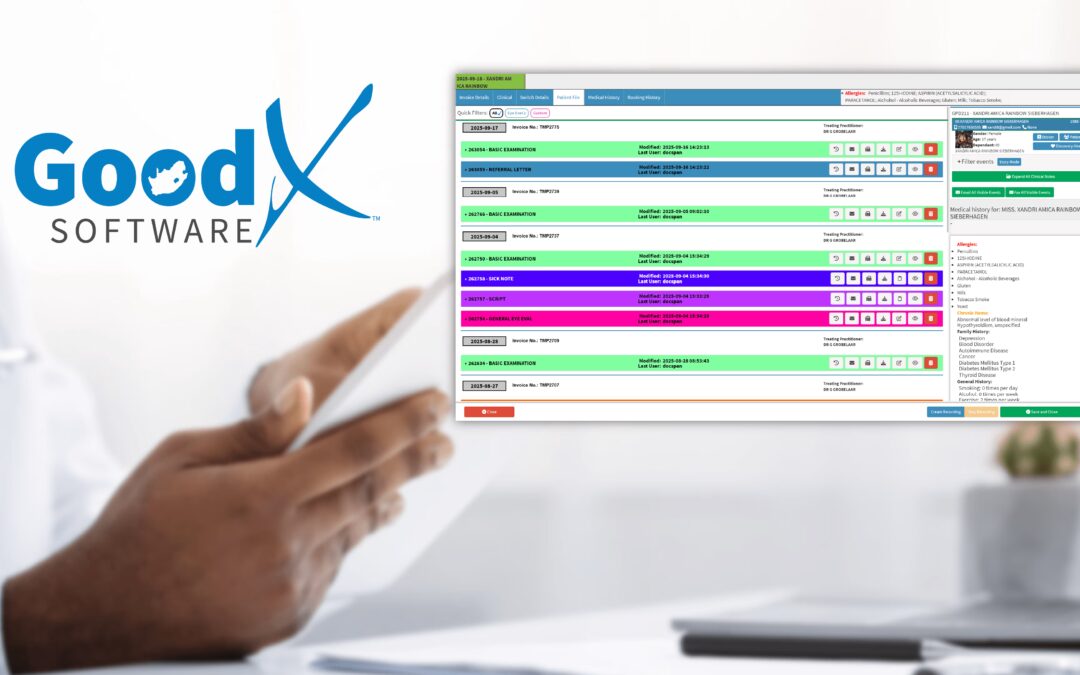
A clinic record management system is software that helps healthcare practices store, organise, retrieve and manage patient records digitally.
Depending on the system, records can include:
- Patient medical history
- Diagnoses and clinical notes
- Medication information
- Examination results
- Test results and reports
- Previous treatments
Electronic health records can give healthcare professionals a more complete view of a patient’s history, helping them make informed clinical decisions.
Research involving healthcare professionals in a South African public hospital found that electronic health records can improve information quality and contribute to reducing medical errors.
Why Are Digital Patient Records Important?
Finding a paper file shouldn’t be the difficult part of treating a patient.
South African healthcare facilities have historically relied heavily on manually stored records. Research has highlighted problems including difficulties retrieving records, inadequate backup and concerns around the safety and security of paper-based information.
These problems can become particularly challenging when patients have chronic conditions, multiple diagnoses or complex medication histories.
A digital clinic record management system can make relevant information easier for authorised healthcare professionals to find.
Key benefits include:
Faster access to information
Healthcare professionals can retrieve patient histories, notes and other relevant information without searching through physical filing systems.
Better information quality
Having patient information organised in one digital environment can make it easier to access a more complete medical history.
Potentially fewer errors
Access to previous diagnoses, medications and clinical information can help healthcare professionals make better-informed decisions. The South African research found a positive relationship between EHR use and medical-error reduction.
Improved continuity of care
When patients return to a practice, their previous information can be available to support the next consultation.
Better record security
Digital systems can provide controlled access, helping ensure that patient information is available only to authorised users.
What Should SA Practices Look For?
Not every digital record system will suit every practice.
When comparing a clinic record management system, practices should consider whether it is easy for staff to use, whether patient information can be retrieved efficiently and whether appropriate security controls are available.
It should also fit naturally into the practice’s workflow.
A system that creates more administrative work can quickly become a frustration for staff.
This is where practice management software such as GoodX can fit in.
GoodX provides practice-management software designed for healthcare practices, bringing clinical and administrative functions into one environment.
Rather than treating patient records as a completely separate activity, an integrated practice-management approach can connect patient information with the wider day-to-day operation of a practice.
That can be useful for practices looking to move away from fragmented, paper-heavy processes and towards a more connected digital workflow.
The important consideration isn’t simply whether software is digital. Practices should ask whether it helps staff access and manage information efficiently while supporting the way they actually work.
Security Matters
Patient records contain sensitive healthcare information, so security needs to be considered when choosing a system.
The South African research emphasises the importance of appropriate classification, security and authorised access to medical records.
Practices should therefore look at how a system controls access to patient information and how records are protected.
Digital records aren’t automatically secure just because they are digital. The system, processes and people using it all matter.
Moving Beyond Paper Records
Switching from paper records to a digital clinic record management system is ultimately about improving access to information.
When healthcare professionals can quickly find relevant medical histories, test results, diagnoses and treatment information, they have a stronger information base for clinical decision-making.
For South African practices, this can be particularly valuable as healthcare becomes increasingly dependent on accurate and accessible information.
The research we reviewed found that electronic health records can improve information quality and support the reduction of medical errors, while also potentially contributing to lower patient treatment costs.
Choosing the Right Clinic Record Management System
Before choosing a system, ask:
- Can staff use it easily?
- Can authorised users quickly find patient information?
- Does it support the practice’s workflow?
- Are patient records appropriately protected?
- Can it reduce reliance on physical files?
- Does it bring clinical and administrative processes together?
For many practices, the goal shouldn’t be to find the system with the longest list of features.
The goal is to find a system that makes managing patient information simpler, safer and more useful.
Final Thoughts
A clinic record management system can help South African practices move from difficult-to-manage paper records towards more accessible digital patient information.
The benefits can extend beyond storage. Better access to information can support clinical decision-making, improve information quality and potentially help reduce medical errors.
For practices considering their options, an integrated solution such as GoodX can provide a practical way to bring patient records into a broader practice-management workflow.
Ultimately, technology is only part of the equation. The real value comes when healthcare professionals can access accurate information at the right time, without the record itself becoming another obstacle to patient care.
Contact our team to book your free GoodX demo.
Disclaimer: This article is provided for general informational and educational purposes only. While GoodX Software takes reasonable care to ensure that the information is accurate and current at the time of publication, laws, regulations, industry standards, healthcare policies and technology may change. The content should not be regarded as medical, legal, financial or other professional advice. Readers should verify information relevant to their circumstances and consult an appropriately qualified professional where necessary. GoodX Software accepts no responsibility for decisions made or actions taken solely on the basis of this content.