For many general practitioners and private practice owners across South Africa, the question of what medical billing software actually costs is both urgent and surprisingly difficult to answer. Software vendors rarely publish pricing upfront, and the true cost often extends well beyond a monthly subscription fee.
Understanding the cost of medical billing software requires looking at the full picture, implementation, training, support, and the long-term return on your investment. This guide breaks it all down so you can make a confident, informed decision for your practice.
Best Medical Billing Software South Africa: What Makes It Worth the Investment?
The best medical billing software in South Africa is not necessarily the cheapest, it’s the one that saves your practice the most time, reduces claim errors, and integrates seamlessly with your existing workflows. When evaluating your options, consider these core factors:
Claim Accuracy and Rejection Rates
One of the most significant hidden costs in any practice is the revenue lost through rejected or delayed medical aid claims. Poor billing software with outdated ICD-10 or tariff code databases leads to high denial rates, which translates directly into lost income. According to the Healthcare Financial Management Association (HFMA), claim denials cost healthcare providers billions globally each year, and South African practices are no exception.
Integration with Medical Aid Schemes
South Africa has a complex medical aid landscape governed by the Council for Medical Schemes (CMS). The best billing platforms maintain up-to-date integrations with major schemes like Discovery Health, Momentum Health, and GEMS, ensuring your claims are submitted correctly the first time.
Compliance and POPIA Requirements
Any software handling patient billing data in South Africa must comply with the Protection of Personal Information Act (POPIA). Non-compliant software exposes your practice to significant legal risk. Always verify that any solution you consider is fully POPIA-compliant.
So, how much does medical billing software cost in South Africa? The answer depends on your practice size, the features you need, and whether you choose a standalone billing tool or a full practice management suite.
Pricing models typically include monthly subscription fees, per-user licensing, once-off setup costs, and ongoing training and support packages. Cloud-based solutions often come with lower upfront costs but ongoing monthly fees, while server-based systems may require a larger initial investment.
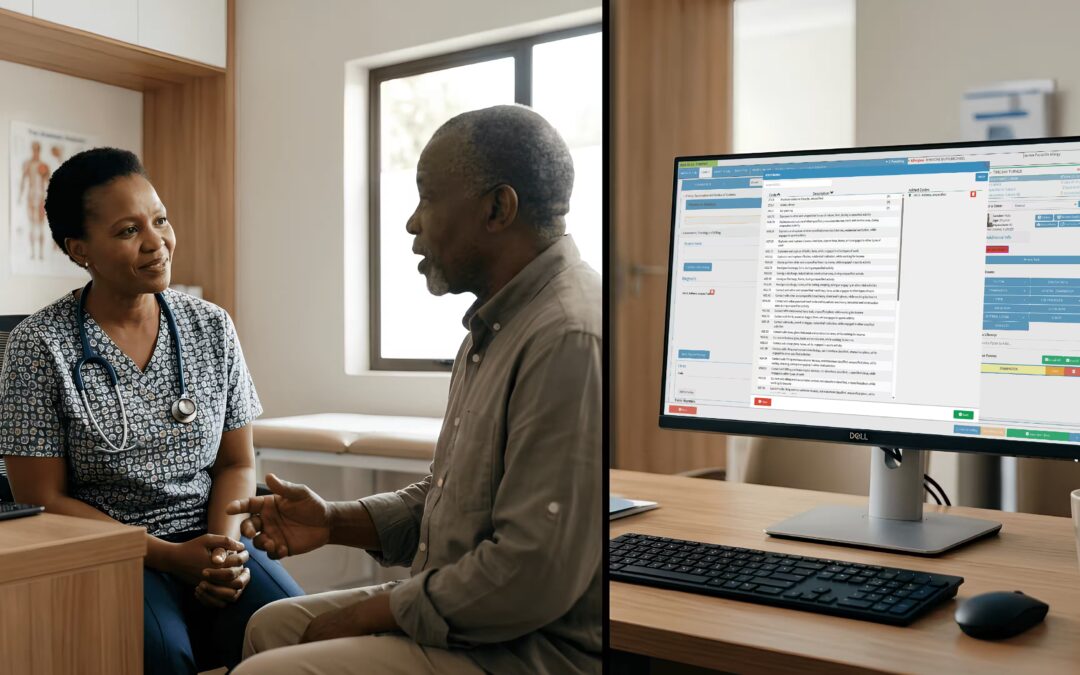
What are the top 5 denials in medical billing? In South Africa, the most common reasons for claim rejections include incorrect beneficiary details, invalid or outdated ICD-10 codes, missing referral authorisations, duplicate claims, and services rendered outside scheme benefits. A robust billing platform helps your practice avoid all five.
Medical Practice Management Software South Africa: An Integrated Approach
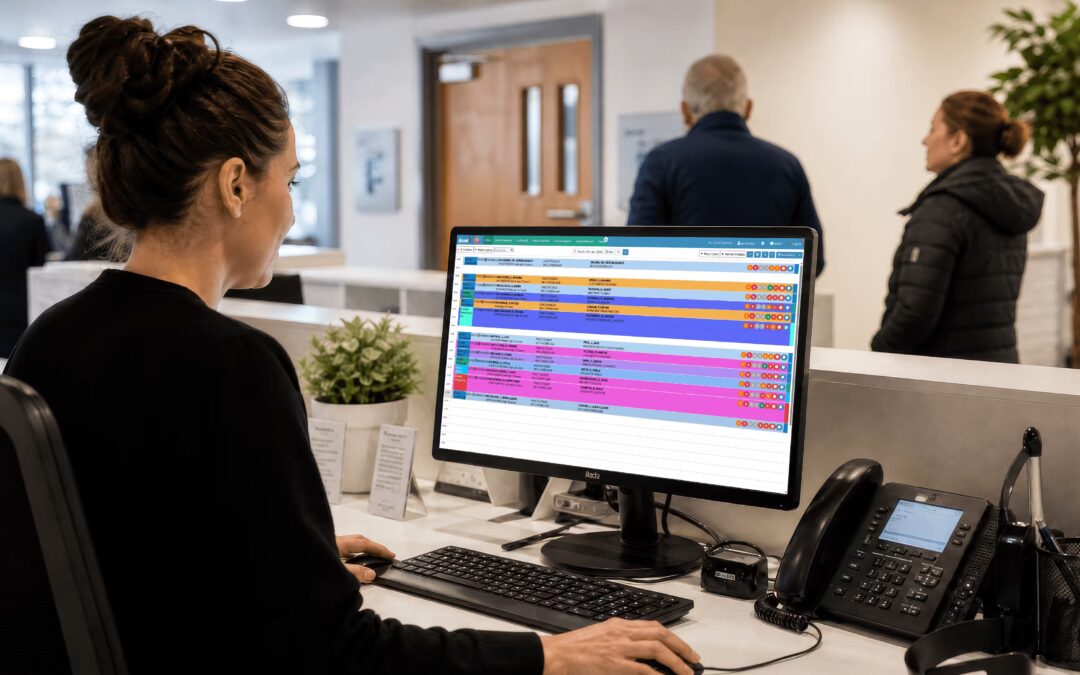
While standalone billing software handles invoicing and claims, medical practice management software South Africa solutions take a broader view of your entire operation, appointments, patient records, billing, reporting, and communication all in one platform.
The Value of an All-in-One System
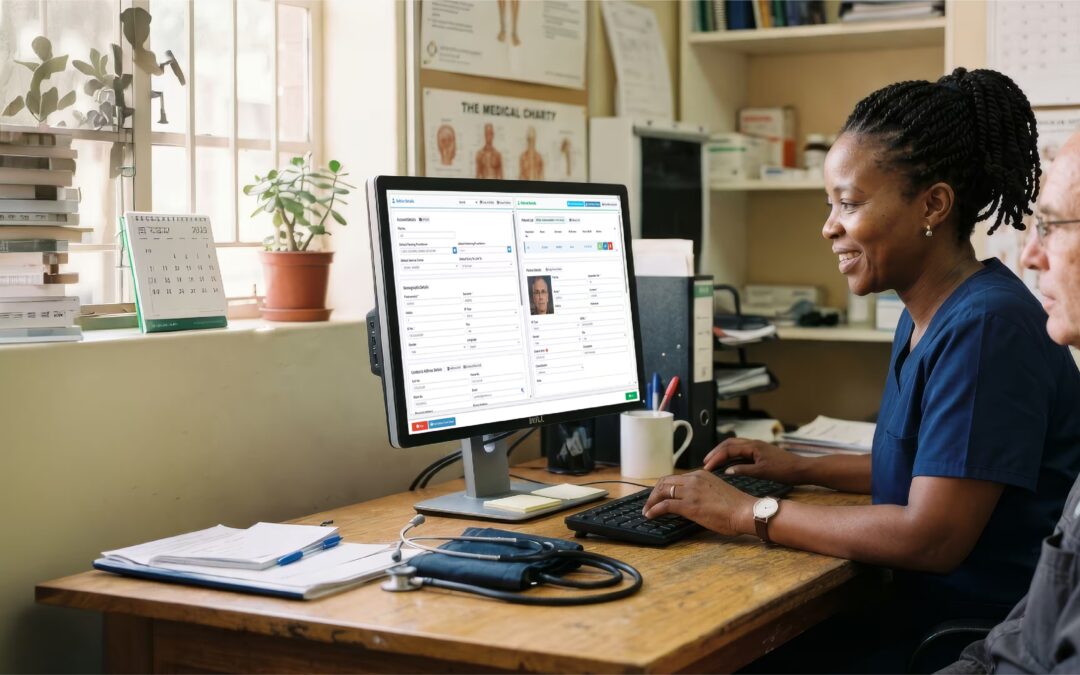
Switching between multiple disconnected systems wastes time and increases the risk of data entry errors. An integrated platform means that when a patient books an appointment, their billing profile is automatically updated, their medical aid details are verified, and post-consultation invoices are generated without manual re-entry.
For South African GPs, this kind of efficiency is critical. With practices managing dozens of patient consultations per day, the administrative burden of manual billing can quickly overwhelm staff, and errors cost money.
Reporting and Financial Insights
Modern practice management software gives you real-time financial insights, outstanding debtors, scheme payment cycles, monthly revenue trends, and more. This financial visibility helps you manage your practice like a business, not just a medical service. According to research published in the South African Medical Journal (SAMJ), practices that actively monitor their financial metrics improve their revenue collection rates significantly compared to those that do not.
Scalability for Growing Practices
If you plan to expand, whether adding new practitioners, opening a second consulting room, or eventually growing into a multi-site practice, your software needs to scale with you. Consider whether the platform can accommodate multiple users, practitioners, and locations without requiring a full system replacement down the line.
Medical Practice Billing Software: Getting More Than Just Invoicing
Modern medical practice billing software does far more than generate invoices. When properly implemented, it becomes the financial backbone of your practice, handling everything from medical aid claim submission to automated patient reminders and payment reconciliation.
Automated Medical Aid Submissions
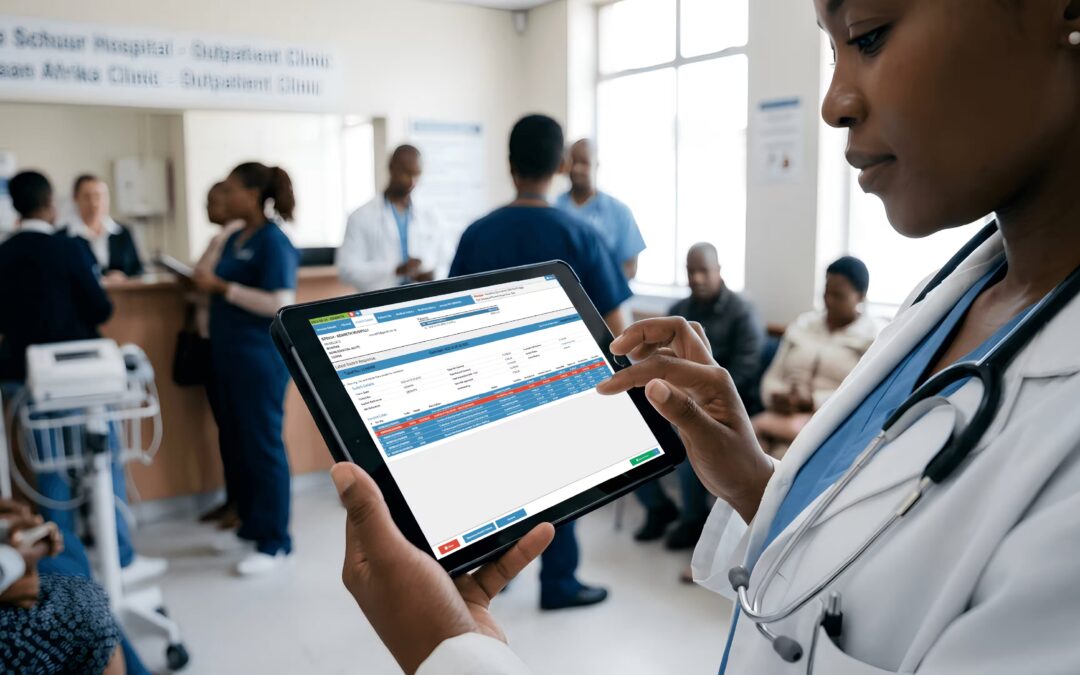
Manually preparing and submitting medical aid claims is time-consuming and prone to human error. Good billing software automates this process, checking claims for errors before submission, routing them electronically to the correct schemes, and tracking their status in real time.
Patient Statements and Debt Management
Outstanding patient accounts are a persistent challenge for South African practices. Billing software with automated statement generation and escalation workflows significantly reduces your debtors book. Some platforms also integrate with payment gateways, allowing patients to settle accounts online at their convenience.
Tariff Code Management
South Africa’s National Health Reference Price List (NHRPL) and scheme tariff codes change regularly. Medical practice billing software that keeps these codes automatically up to date protects your practice from billing at incorrect rates and having claims rejected for using outdated codes.
What is the best medical billing software in South Africa? The answer depends on your specific needs, but the most effective platforms share common traits: they are cloud-based, regularly updated, compliant with local regulations, integrated with major medical aid schemes, and backed by responsive local support.
Frequently Asked Questions
How much does medical billing software cost in South Africa?
The cost of medical billing software in South Africa varies widely based on features, practice size, and pricing model. Cloud-based solutions typically charge monthly subscription fees, while full practice management suites may include setup and training costs. It’s best to request a tailored quote based on your specific requirements and expected volume of claims.
What are the top 5 denials in medical billing?
The most common medical billing denials in South Africa include incorrect beneficiary or member details, invalid or expired ICD-10 codes, missing pre-authorisation for procedures, duplicate claim submissions, and services that fall outside the patient’s scheme benefits. A reliable billing platform significantly reduces these errors through built-in validation.
What is the best medical billing software in South Africa?
The best medical billing software in South Africa is one that integrates with your practice management workflows, supports all major medical aid schemes, maintains current tariff and ICD-10 codes, complies with POPIA, and provides local support. GoodX is widely used by South African general practitioners for exactly these reasons.
Is cloud-based billing software better than server-based for South African practices?
Cloud-based medical billing software offers several advantages for South African GPs, including lower upfront costs, automatic updates, remote access, and reduced IT infrastructure burden. Server-based systems may suit larger hospital environments but require more internal maintenance. Most modern practices are transitioning to cloud-based solutions for their flexibility and security.
Does medical billing software need to be POPIA compliant in South Africa?
Yes. Any software that stores, processes, or transmits patient information, including billing data, must comply with the Protection of Personal Information Act (POPIA). Non-compliance can result in significant penalties. Always verify that your chosen platform has documented POPIA compliance measures in place.
Ready to See What GoodX Can Do for Your Practice?
If you’re looking for a trusted, South African-built medical billing and practice management solution, GoodX has been helping general practitioners and specialists manage their practices more efficiently for over two decades. Our platform is fully integrated, POPIA-compliant, and backed by dedicated local support.