A signed patient consent form doesn’t prove that consent happened. It proves that someone signed something. If a complaint lands on your desk two years from now, the question won’t be whether a form exists, but whether the patient understood what they agreed to and whether your records show it.
That distinction shapes everything in this guide. We’ll look at how to record the conversation, not only the signature, and how to keep those records defensible. The focus is on what a South African practice can do on an ordinary working day.
Start with the legal footing. Consent for medical treatment in South Africa rests on the National Health Act and on the ethical rules set by the Health Professions Council of South Africa (HPCSA). Both expect patients to be told enough to make a real choice. The National Department of Health also publishes material on patient rights that is worth sharing with your reception team.
Most disputes we hear about aren’t about missing forms. They’re about thin notes. A file that says “consent obtained” with no detail is almost as weak as a file with nothing at all.
Informed Consent Documentation: What the Record Must Show
Good informed consent documentation captures four things: what you explained, what the patient asked, what they decided, and when. The form is the anchor, but your clinical note carries the substance. Write both while the conversation is fresh.
On the explanation, note the diagnosis, the proposed treatment, the realistic alternatives (including doing nothing), and the material risks. “Material” means risks a reasonable patient in that position would want to know about, plus any that this particular patient has told you matter to them. A violinist cares about hand numbness more than most.
Record the patient’s questions and your answers in a line or two. If they declined part of the plan, say so plainly. A short, honest note such as “Patient asked about recovery time, advised 4 to 6 weeks, chose to proceed” beats a paragraph of boilerplate.
The Medical Protection Society’s guide to record keeping makes points that apply here regardless of country. Entries should be legible, made at the time, factual and complete. If you need to correct something later, add a dated, signed amendment and leave the original entry intact. Striking out or overwriting an old note looks far worse than the error itself.
Capacity and language deserve their own line. If the patient needed an interpreter, or a parent or guardian consented for a minor, record who was present and in what role. In a country with eleven official languages, “explained in isiZulu by Dr Mkhize” is a detail that matters.
The Treatment Consent Record: Building Something You Can Find and Defend
A treatment consent record is the complete package: the signed form, the clinical note, any information sheets you handed over, and the date each was created. Scattered across a paper folder, a WhatsApp thread and someone’s desktop, it’s hard to defend. Held together in the patient’s file, it tells a coherent story.
Every consent form should carry a patient signature and date, and the clinician’s name and signature as well. Add a witness where the procedure warrants one. Don’t pre-date forms, and don’t let reception hand over a stack of blanks to sign “for later”. We’ve seen both, and both undermine the document.
Think about the scope of each consent. A form signed for a minor procedure doesn’t cover a different one six months later. Consent for treatment also differs from consent to share information. Under the National Health Act, disclosing a patient’s health information generally needs their written consent, with limited exceptions such as a legal obligation. So if you’re sending notes to a specialist or an employer, you need that permission recorded separately.
Remote care adds another layer. The Medical Protection Society’s telemedicine guidance advises recording consent, the type of consultation and your clinical reasoning in the notes. That means noting that the patient agreed to a video or phone consultation, and why remote care was suitable. If a physical examination was needed and you advised an in-person visit instead, write that down too.
A useful habit is a monthly spot check. Pull ten random files and ask whether a stranger could tell, from the file alone, what the patient agreed to and when. If the answer is no for three of them, you have a process problem, not a people problem.
Electronic Patient Consent: Convenience With Conditions
Electronic patient consent solves real problems. Forms don’t get lost, signatures are timestamped, and the patient can read at their own pace before the appointment. It also removes the pile of paper that grows behind most reception desks.
But digital doesn’t automatically mean compliant. The signing process should identify the patient, record the date and time, and lock the document afterwards so it can’t be quietly altered. Offer a paper alternative for patients who aren’t comfortable with screens. Many of your older patients will be, and they shouldn’t feel pushed.
Security matters just as much. POPIA requires reasonable safeguards against unauthorised access, and the Information Regulator is the body that enforces it. Health information counts as special personal information, so it carries stricter conditions than ordinary data. The South African Medical Journal’s discussion of the POPI Act for healthcare professionals is a readable starting point, and Michalsons’ overview of privacy in healthcare explains how POPIA and the National Health Act work together.
In practice, secure patient records mean encryption in transit and at rest, role-based access so reception can’t open clinical notes, and documented risk assessments you revisit regularly. Be clear about roles as well: your practice is usually the responsible party, and any software or storage provider acting on your behalf is an operator. You should have a written agreement with every operator.
One last point on telehealth platforms. If you consult by video, check that the platform encrypts the session and that you know where recordings and chat logs are stored. The Doctors Company’s telehealth tips offer a sensible checklist to adapt.
Where GoodX Fits Into Your Consent Workflow
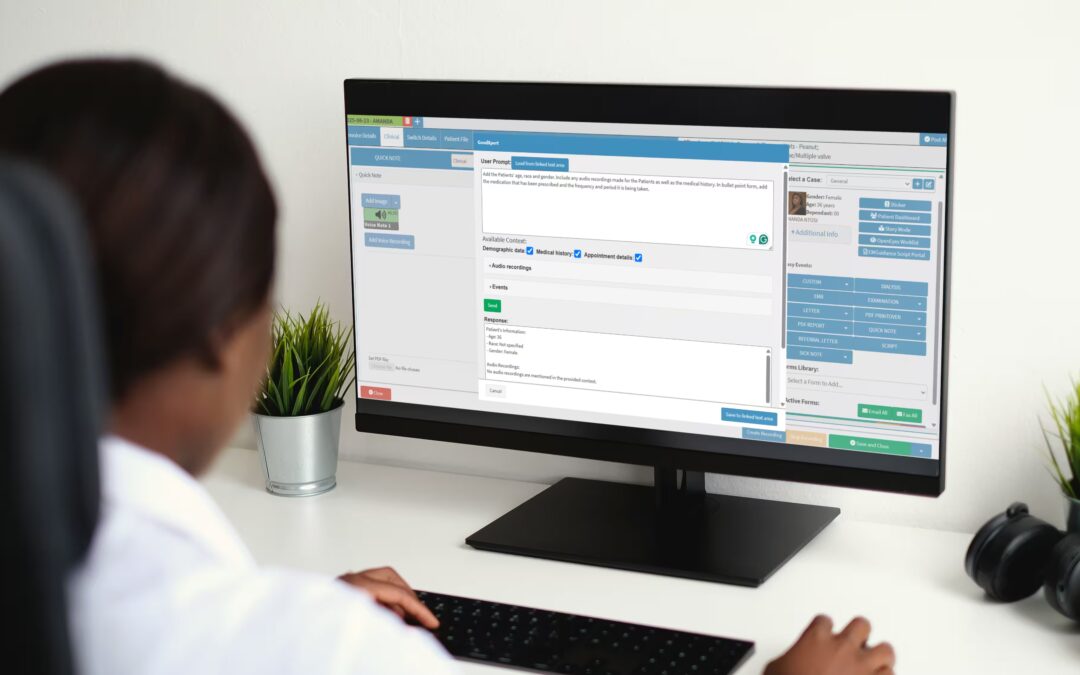
Consent problems are rarely about knowledge. They’re about friction: the form is in a different place from the notes, the signature isn’t linked to the right visit, and nobody can find the document when it’s needed. GoodX practice management software addresses this by keeping the patient’s clinical record, bookings and documents in one place.
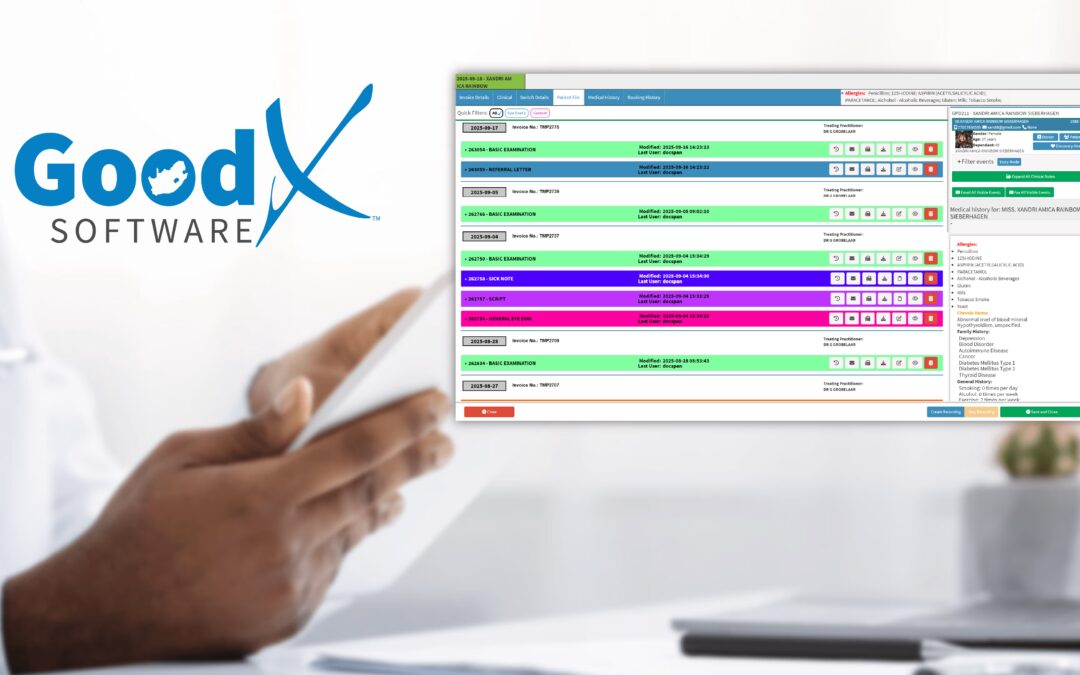
When consent forms and notes sit in the same patient file, you can see at a glance whether consent was recorded for a given procedure. Staff access can be controlled by role, which supports your POPIA duties around secure patient records. An audit trail of who opened or changed a record helps when you need to show the record is reliable.
There’s a billing benefit too. When a funder queries a procedure, a well-documented file makes it simpler to respond, and you can see how medical schemes regulated by the Council for Medical Schemes expect claims to be supported. Reporting tools help you spot gaps, such as procedures without a consent entry.
If you’re comparing options for digital forms and records, [INTERNAL LINK: how GoodX handles clinical records -> GoodX clinical records page] is a sensible place to start. You can also look at [INTERNAL LINK: automating patient admin and bookings -> GoodX practice management page] to see how consent steps can be built into the patient journey before the consultation even starts.
Frequently Asked Questions
Does a signed patient consent form protect me on its own?
No, a signature alone is weak protection. It shows the patient signed, not that they understood the risks and alternatives. Back it up with a dated clinical note describing your explanation, the patient’s questions and their decision, so the whole conversation can be reconstructed later.
Is verbal consent enough for treatment in South Africa?
Verbal consent can be valid for low-risk treatment, but you should still record it. Write a dated note stating what was explained and that the patient agreed. For invasive, high-risk or costly procedures, use a written form with a patient signature and date.
Can patients sign consent forms electronically?
Yes, electronic patient consent is workable if the process identifies the patient, timestamps the signature and prevents later alteration. Keep the signed document in the patient’s file, protect it with access controls, and offer a paper option for patients who prefer it.
How do I correct an error in a consent record?
Never delete or overwrite the original entry. Add a clearly dated and signed amendment explaining the correction. This keeps the record honest and shows you handled the mistake transparently, which carries weight if the file is ever reviewed.
Do I need separate consent to share a patient’s information?
Generally, yes. Consent to treatment doesn’t automatically cover disclosure. The National Health Act requires written consent to disclose health information, with limited exceptions such as legal obligations. Record the permission, who the information goes to, and the purpose.
Book your free GoodX demo
If you’d like to see how consent, clinical notes and secure patient records can sit together in one system, book a free demo. Our team will walk you through it using situations your practice actually faces. Visit goodx.co.za to get started.
Disclaimer: This article is provided for general informational and educational purposes only. While GoodX Software takes reasonable care to ensure that the information is accurate and current at the time of publication, laws, regulations, industry standards, healthcare policies and technology may change. The content should not be regarded as medical, legal, financial or other professional advice. Readers should verify information relevant to their circumstances and consult an appropriately qualified professional where necessary. GoodX Software accepts no responsibility for decisions made or actions taken solely on the basis of this content.
care was suitable. If a physical examination was needed and you advised an in-person visit instead, write that down too.
A useful habit is a monthly spot check. Pull ten random files and ask whether a stranger could tell, from the file alone, what the patient agreed to and when. If the answer is no for three of them, you have a process problem, not a people problem.
Electronic Patient Consent: Convenience With Conditions
Electronic patient consent solves real problems. Forms don’t get lost, signatures are timestamped, and the patient can read at their own pace before the appointment. It also removes the pile of paper that grows behind most reception desks.
But digital doesn’t automatically mean compliant. The signing process should identify the patient, record the date and time, and lock the document afterwards so it can’t be quietly altered. Offer a paper alternative for patients who aren’t comfortable with screens. Many of your older patients will be, and they shouldn’t feel pushed.
Security matters just as much. POPIA requires reasonable safeguards against unauthorised access, and the Information Regulator is the body that enforces it. Health information counts as special personal information, so it carries stricter conditions than ordinary data. The South African Medical Journal’s discussion of the POPI Act for healthcare professionals is a readable starting point, and Michalsons’ overview of privacy in healthcare explains how POPIA and the National Health Act work together.
In practice, secure patient records mean encryption in transit and at rest, role-based access so reception can’t open clinical notes, and documented risk assessments you revisit regularly. Be clear about roles as well: your practice is usually the responsible party, and any software or storage provider acting on your behalf is an operator. You should have a written agreement with every operator.
One last point on telehealth platforms. If you consult by video, check that the platform encrypts the session and that you know where recordings and chat logs are stored. The Doctors Company’s telehealth tips offer a sensible checklist to adapt.
Where GoodX Fits Into Your Consent Workflow
Consent problems are rarely about knowledge. They’re about friction: the form is in a different place from the notes, the signature isn’t linked to the right visit, and nobody can find the document when it’s needed. GoodX practice management software addresses this by keeping the patient’s clinical record, bookings and documents in one place.
When consent forms and notes sit in the same patient file, you can see at a glance whether consent was recorded for a given procedure. Staff access can be controlled by role, which supports your POPIA duties around secure patient records. An audit trail of who opened or changed a record helps when you need to show the record is reliable.
There’s a billing benefit too. When a funder queries a procedure, a well-documented file makes it simpler to respond, and you can see how medical schemes regulated by the Council for Medical Schemes expect claims to be supported. Reporting tools help you spot gaps, such as procedures without a consent entry.
If you’re comparing options for digital forms and records, [INTERNAL LINK: how GoodX handles clinical records -> GoodX clinical records page] is a sensible place to start. You can also look at [INTERNAL LINK: automating patient admin and bookings -> GoodX practice management page] to see how consent steps can be built into the patient journey before the consultation even starts.
Frequently Asked Questions
Does a signed patient consent form protect me on its own?
No, a signature alone is weak protection. It shows the patient signed, not that they understood the risks and alternatives. Back it up with a dated clinical note describing your explanation, the patient’s questions and their decision, so the whole conversation can be reconstructed later.
Is verbal consent enough for treatment in South Africa?
Verbal consent can be valid for low-risk treatment, but you should still record it. Write a dated note stating what was explained and that the patient agreed. For invasive, high-risk or costly procedures, use a written form with a patient signature and date.
Can patients sign consent forms electronically?
Yes, electronic patient consent is workable if the process identifies the patient, timestamps the signature and prevents later alteration. Keep the signed document in the patient’s file, protect it with access controls, and offer a paper option for patients who prefer it.
How do I correct an error in a consent record?
Never delete or overwrite the original entry. Add a clearly dated and signed amendment explaining the correction. This keeps the record honest and shows you handled the mistake transparently, which carries weight if the file is ever reviewed.
Do I need separate consent to share a patient’s information?
Generally, yes. Consent to treatment doesn’t automatically cover disclosure. The National Health Act requires written consent to disclose health information, with limited exceptions such as legal obligations. Record the permission, who the information goes to, and the purpose.
Book your free GoodX demo
If you’d like to see how consent, clinical notes and secure patient records can sit together in one system, book a free demo. Our team will walk you through it using situations your practice actually faces. Visit goodx.co.za to get started.
Disclaimer: This article is provided for general informational and educational purposes only. While GoodX Software takes reasonable care to ensure that the information is accurate and current at the time of publication, laws, regulations, industry standards, healthcare policies and technology may change. The content should not be regarded as medical, legal, financial or other professional advice. Readers should verify information relevant to their circumstances and consult an appropriately qualified professional where necessary. GoodX Software accepts no responsibility for decisions made or actions taken solely on the basis of this content.