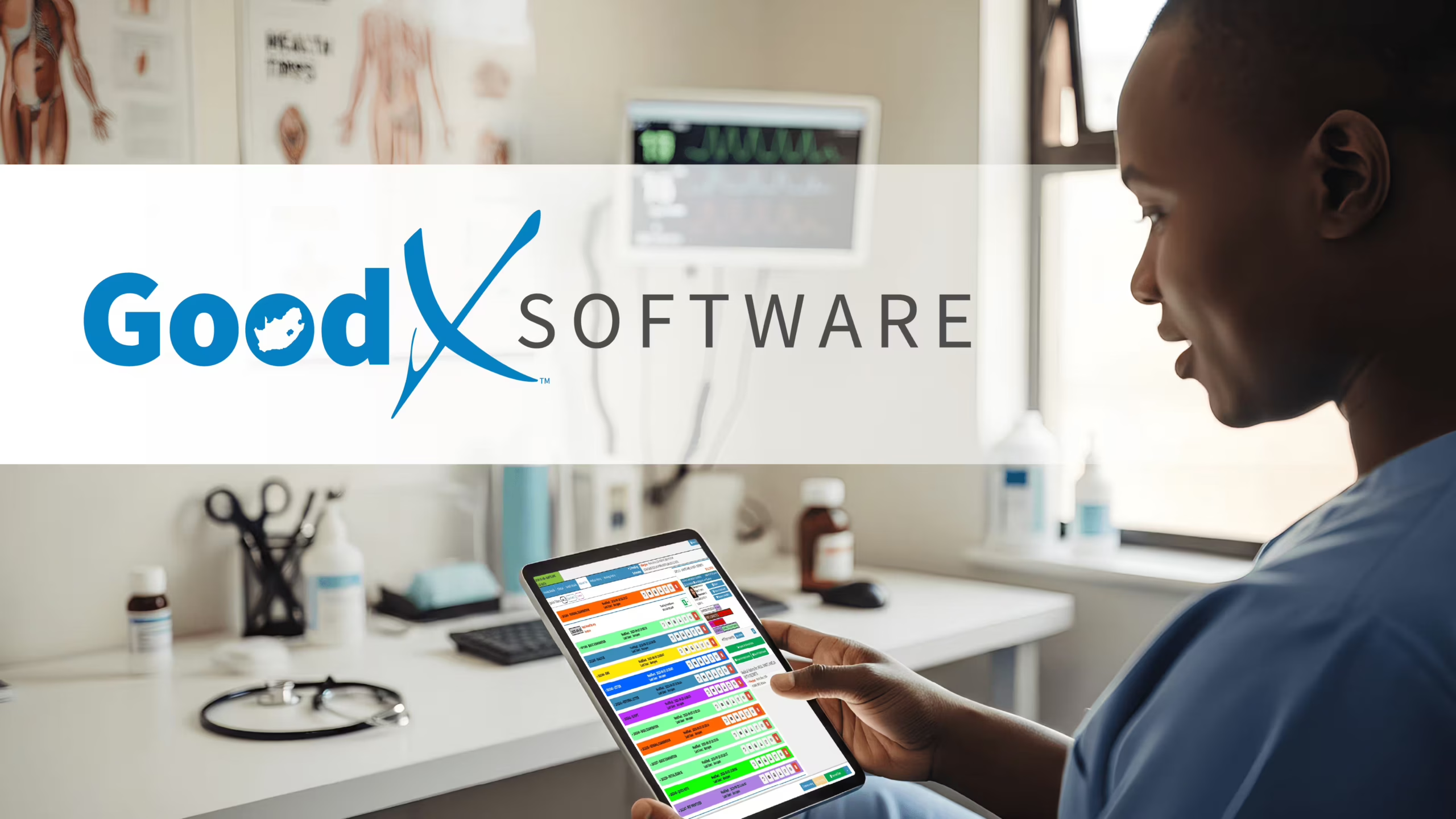
South African medical practices are under more pressure than ever. Patient volumes are rising, administrative workloads are growing, and the regulatory environment is tightening. In this context, Electronic Health Record (EHR) software has moved from a nice-to-have to a genuine operational necessity.
This guide explains what EHR software is, how it differs from related systems, what it should do for a practice, and what to look for when choosing one in the South African context.
What is EHR Software?
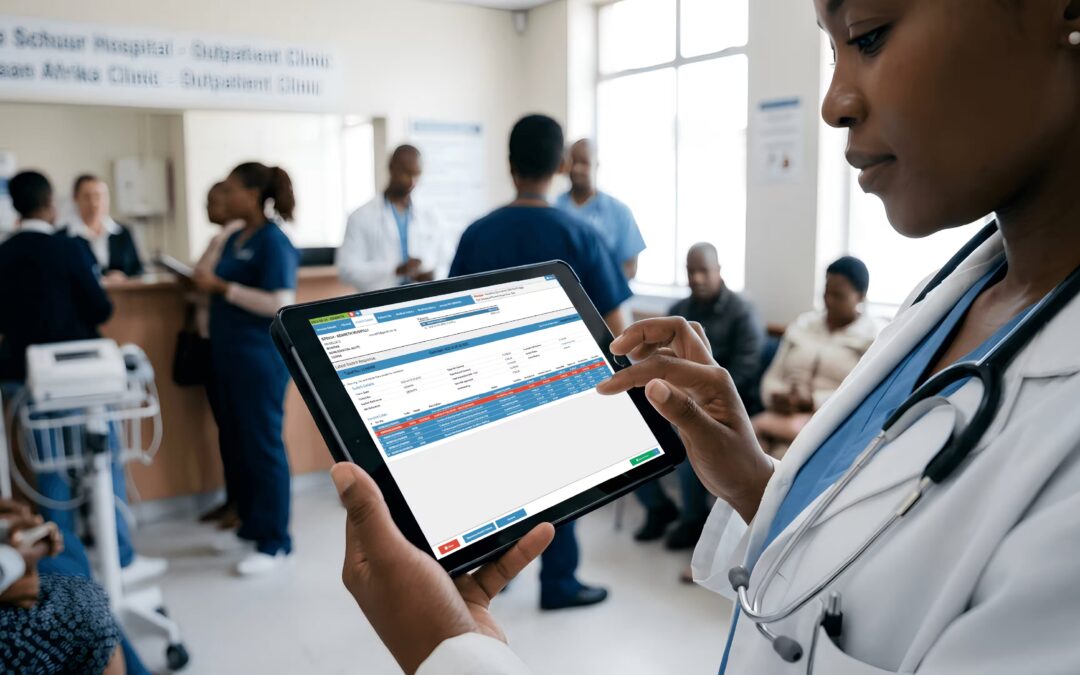
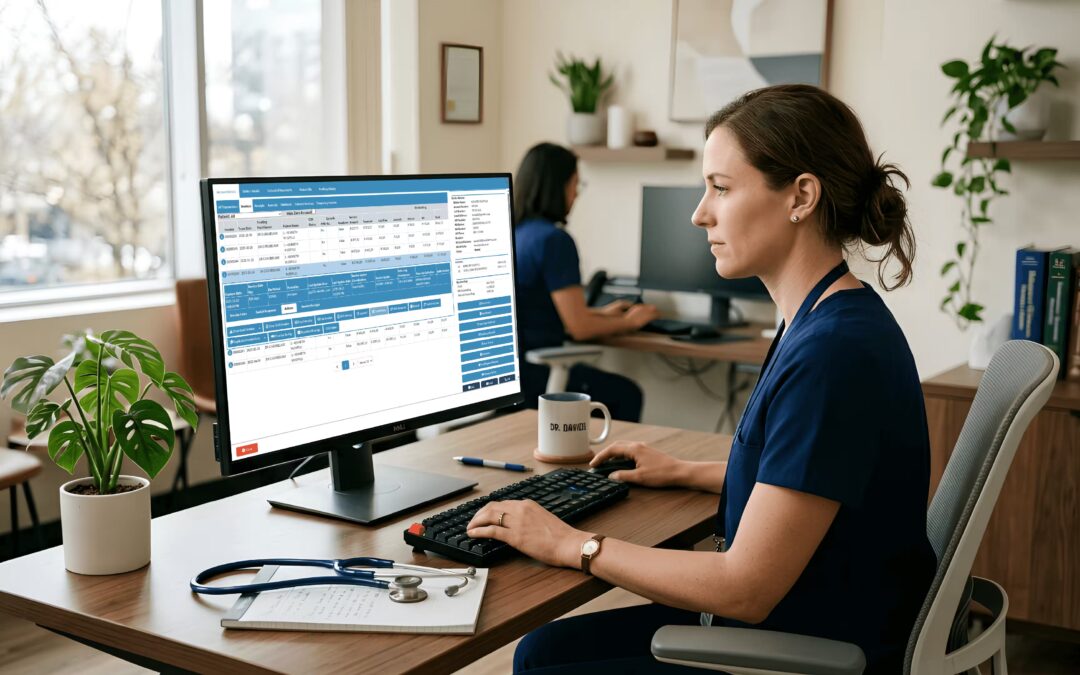
EHR software is a digital system that allows healthcare professionals to create, store, update, and access patient medical records electronically. It replaces paper-based files with structured, searchable, and shareable data that follows a patient across consultations, referrals, lab results, and treatments.
A well-built EHR does more than store information. It connects clinical documentation to billing, supports appointment scheduling, enables secure communication between practitioners, and provides the audit trails that modern compliance requirements demand.
In South Africa, where a single practice may serve both medical aid members and private self-paying patients, and where practitioners must comply with both the Health Professions Act and POPIA, having a system that handles this complexity reliably is not optional.
EHR vs EMR: What is the Difference?
These two terms are often used interchangeably, but there is a meaningful distinction.
An EMR (Electronic Medical Record) is essentially a digital version of a patient’s chart within a single practice. It records clinical information from that practice’s interactions only.
An EHR (Electronic Health Record) is designed to be broader. It captures a more complete picture of a patient’s health over time and is built to be shared across different providers, whether that is a GP referring to a specialist, a practice sending results to a hospital, or a patient accessing their own records through a portal.
In practical terms, most modern practice management platforms in South Africa use the term EHR to describe systems that go beyond a single-provider record, and this is the standard to aim for when evaluating software for your practice.
Why South African Practices Need EHR Software Now
Several converging factors make EHR adoption increasingly urgent for practices across South Africa.
POPIA compliance. The Protection of Personal Information Act requires that patient data be stored securely, accessed only by authorised individuals, and that a clear audit trail exists. Paper-based and legacy systems frequently cannot meet these requirements. A compliant EHR addresses all three by design.
The National Health Insurance rollout. As NHI implementation progresses, practices that can demonstrate accurate, structured clinical records and efficient billing processes will be better placed to participate. Practices still operating on paper or fragmented systems risk being left behind administratively.
Rising patient expectations. Patients increasingly expect digital communication, online appointment booking, and access to their own records. These are features built into modern EHR platforms, not add-ons.
Medical aid claim accuracy. Rejected claims cost practices time and revenue. An integrated EHR links clinical notes directly to billing codes, reducing the risk of errors at the point of claim submission.
Staff efficiency. Administrative staff in practices without EHR systems spend significant time on tasks that can be automated: filing, appointment reminders, referral letters, and chasing outstanding information. EHR software reclaims that time.
Key Features to Look for in an EHR System
Not all EHR systems are equal, and not all are built with South African practices in mind. Here are the features that matter most.
Patient record management. The system should allow clinical staff to create and update detailed patient records, including history, diagnoses, medication, allergies, and clinical notes, in a structured and searchable format.
Electronic prescribing. Scripts should be generated and sent electronically, reducing errors from handwriting and creating a clear medication history per patient.
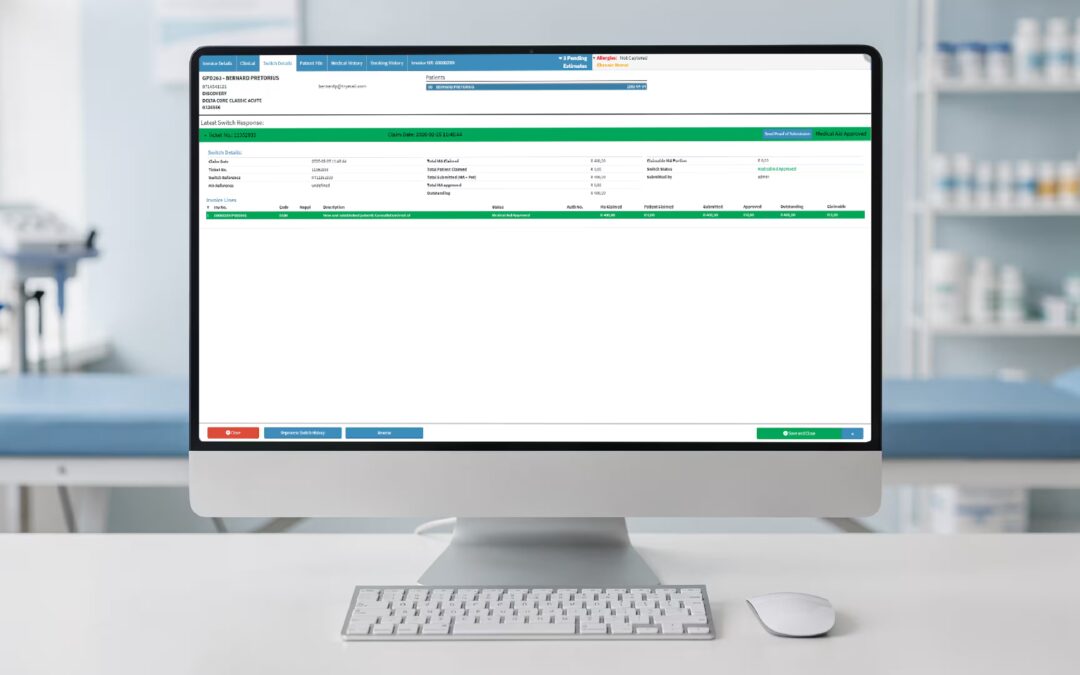
Billing and medical aid integration. Clinical entries should link directly to the billing module. The system should support submission to South African medical aids, track claim status in real time, and flag rejections for follow-up.
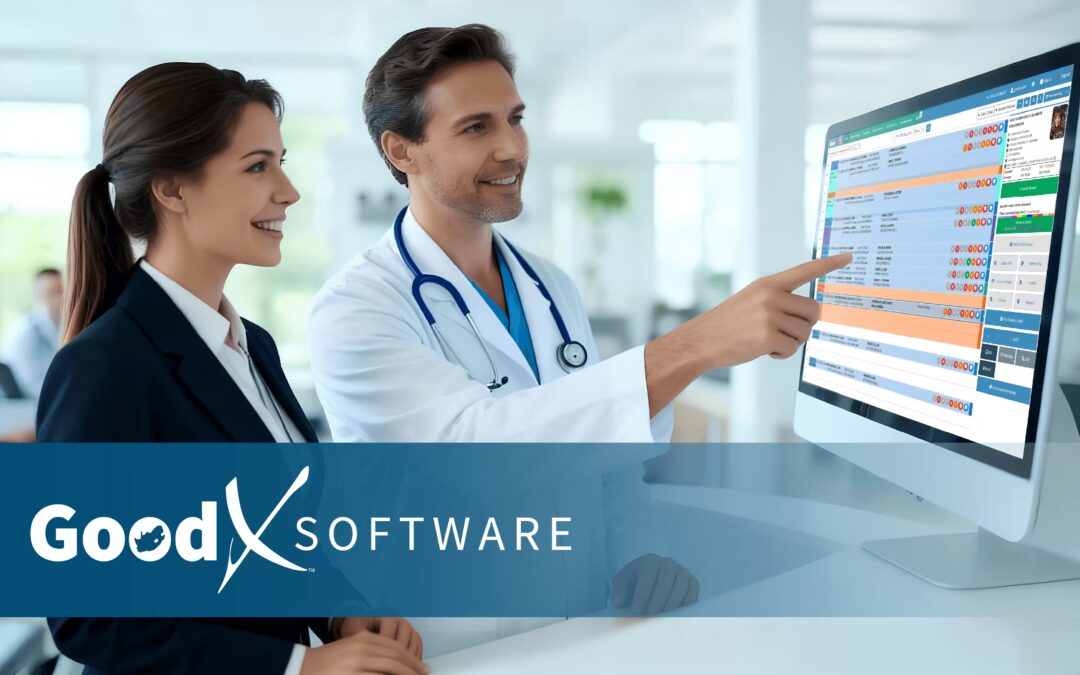
Appointment scheduling. An integrated calendar that allows online booking, sends automated reminders to patients, and reduces no-show rates is now a baseline expectation.
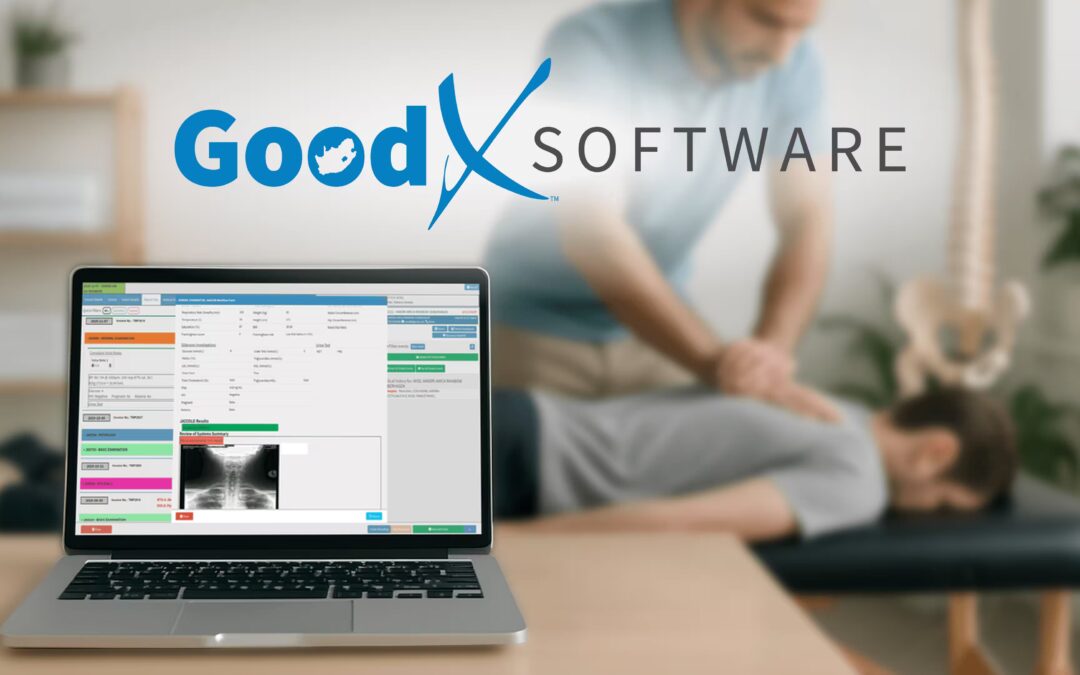
Document management. Lab results, referral letters, consent forms, and clinical images should all be stored against the patient record and retrievable without leaving the system.
POPIA-compliant security. This means role-based access controls, end-to-end encryption, secure cloud storage, and a full audit trail of who accessed or amended a record and when. This also supports compliance with the HPCSA’s guidelines on patient record keeping, which set clear expectations for how health records must be stored, accessed, and protected.
Customisable clinical templates. Different disciplines document differently. A dermatologist’s consultation notes look nothing like a physiotherapist’s. The system should support templates that fit your workflow, not force you into a generic one.
Reporting and analytics. Practice owners and managers need visibility into clinical and financial performance. The EHR should provide meaningful reporting without requiring an export to a spreadsheet.
What EHR Software Should Cost You in South Africa
Pricing for EHR software in South Africa varies significantly based on the size of the practice, the number of users, and the modules included. Most reputable vendors offer subscription-based pricing rather than large upfront licence fees, which makes the cost more predictable.
When evaluating cost, look beyond the monthly fee. Factor in implementation, training, ongoing support, and whether updates and regulatory changes are included. A cheaper system that requires expensive customisation every time the medical aid landscape shifts will cost more in the long run.
The more useful question is not what it costs but what it costs you not to have it. Practices that have moved to integrated EHR systems consistently report reductions in claim rejection rates, less time spent on administrative tasks, and fewer billing errors.
How GoodX Approaches EHR for South African Practices
GoodX was built in South Africa and has been developed specifically for the local healthcare environment. This matters because the billing codes, medical aid processes, POPIA requirements, and clinical workflows in South Africa are distinct from those in the US, UK, or elsewhere. Generic international software does not always translate well.
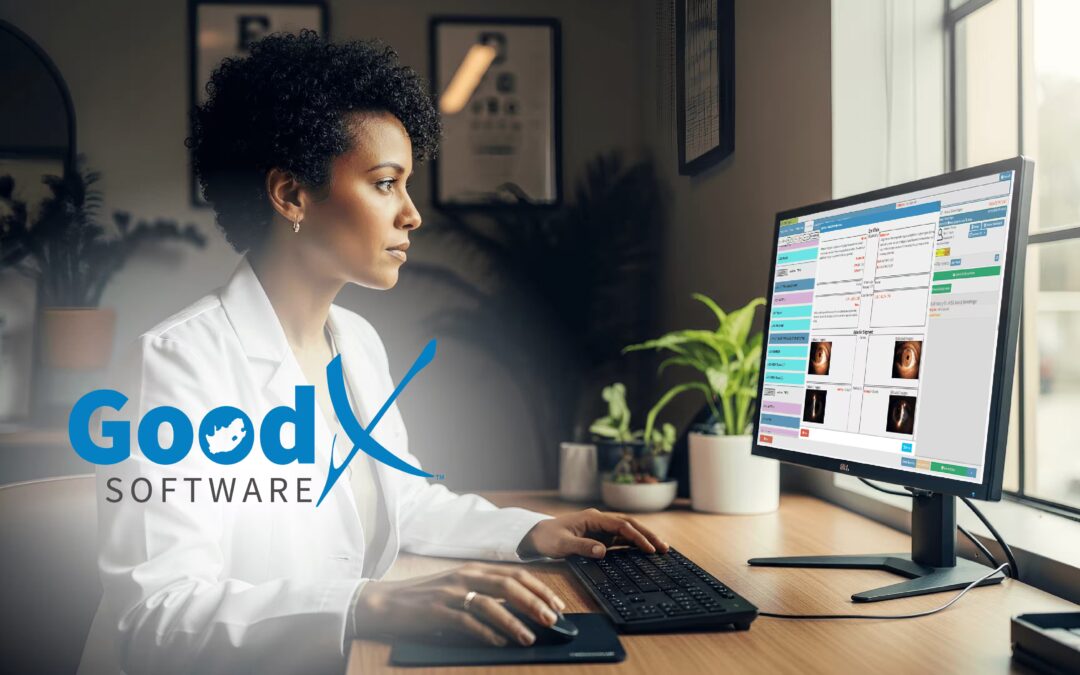
The GoodX platform integrates EHR functionality with practice management, billing, scheduling, patient communication, and reporting in a single system. This means clinical and administrative staff work from one platform rather than switching between disconnected tools.
Key EHR capabilities within GoodX include:
- Paperless patient file management across all disciplines
- Electronic prescribing and scripting
- Customisable clinical templates for over 60 medical disciplines
- Direct medical aid claim submission and real-time tracking
- POPIA-compliant cloud storage with role-based access
- Patient portal access and video consultation support
- Integrated lab result management and referral workflows
GoodX is used by solo GPs, specialist practices, group practices, hospitals, and allied health providers across South Africa, as well as in Namibia, Botswana, and internationally.
Making the Transition: What to Expect
Moving from paper or a legacy system to an EHR is a significant change, and it is worth being realistic about what the transition involves.
Data migration. Existing patient records need to be brought into the new system. This does not always mean digitising every historical paper file immediately. Most practices start with active patients and build from there.
Staff training. Clinical and administrative staff will need training. The quality and accessibility of training resources should be a factor in your vendor selection. GoodX offers a dedicated learning centre, online short courses, and a career academy for practice administrators.
Initial adjustment period. Workflows will feel slower at first. This is normal. Most practices find that within a few weeks, the system becomes faster than the manual processes it replaced.
Support availability. When something goes wrong, you need help quickly. Check what support channels the vendor offers and what their response times look like.
Frequently Asked Questions
What is the difference between EHR and practice management software? Practice management software covers the administrative side of running a practice: scheduling, billing, and reporting. EHR software covers clinical documentation: patient records, diagnoses, prescriptions, and clinical notes. In modern platforms like GoodX, both are integrated into a single system.
Is EHR software required by law in South Africa? There is no current law mandating EHR use for private practices, but POPIA sets clear requirements for how patient data must be stored and protected. Paper-based systems make POPIA compliance significantly harder to demonstrate.
Can EHR software work for a small single-doctor practice? Yes. EHR software scales to practice size. A solo GP benefits from the same core functionality as a large group practice, often at a lower subscription cost.
How long does it take to implement EHR software? Implementation timelines vary depending on the size of the practice and the complexity of existing data. A straightforward single-practitioner setup can be operational within days. Larger practices with multiple sites and complex workflows may take several weeks.
Does GoodX integrate with South African medical aids? Yes. GoodX supports electronic claim submission to South African medical aids and provides real-time claim tracking and rejection management.
What happens to patient data if I stop using the software? This is an important question to ask any vendor before signing up. Reputable providers will allow you to export your data in a standard format. Check this before committing.
Is GoodX cloud-based? Yes. GoodX operates on a cloud-based platform, which means patient records are accessible securely from any location, and data is backed up without reliance on local hardware.
The Bottom Line
EHR software is the infrastructure that modern South African medical practices run on. It is what makes POPIA compliance achievable, medical aid claims accurate, and clinical workflows manageable as patient volumes grow.
The question for most practices is no longer whether to adopt an EHR system but which one is the right fit and how to make the transition as smooth as possible. GoodX was built for this environment.