Cloud-Based EHR Software: Benefits for South African Practices
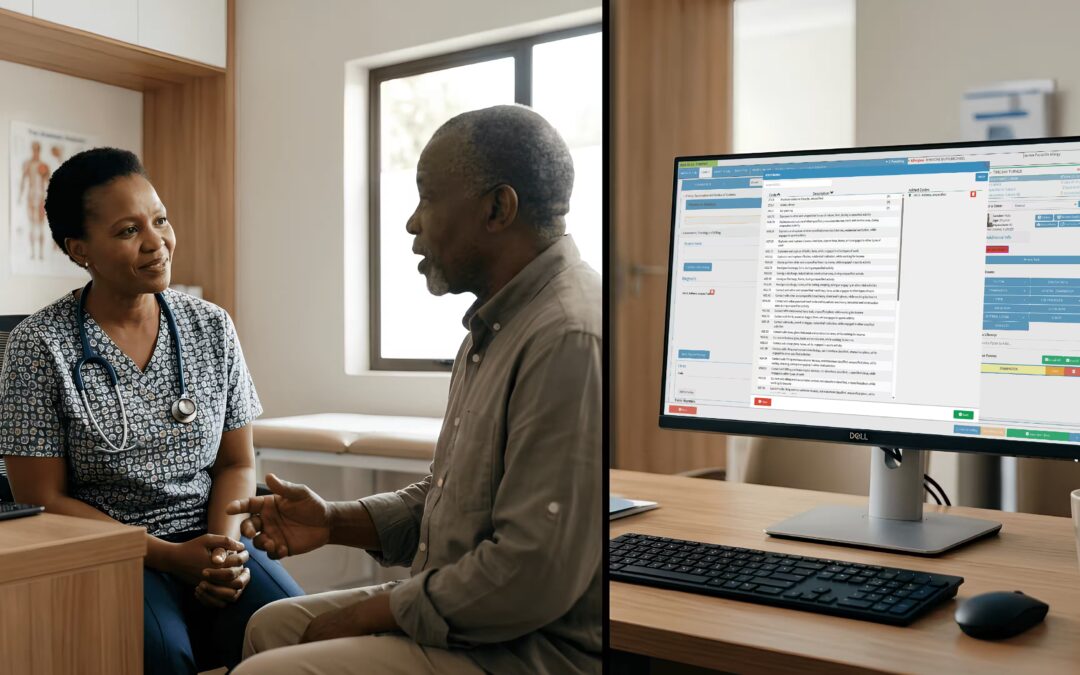
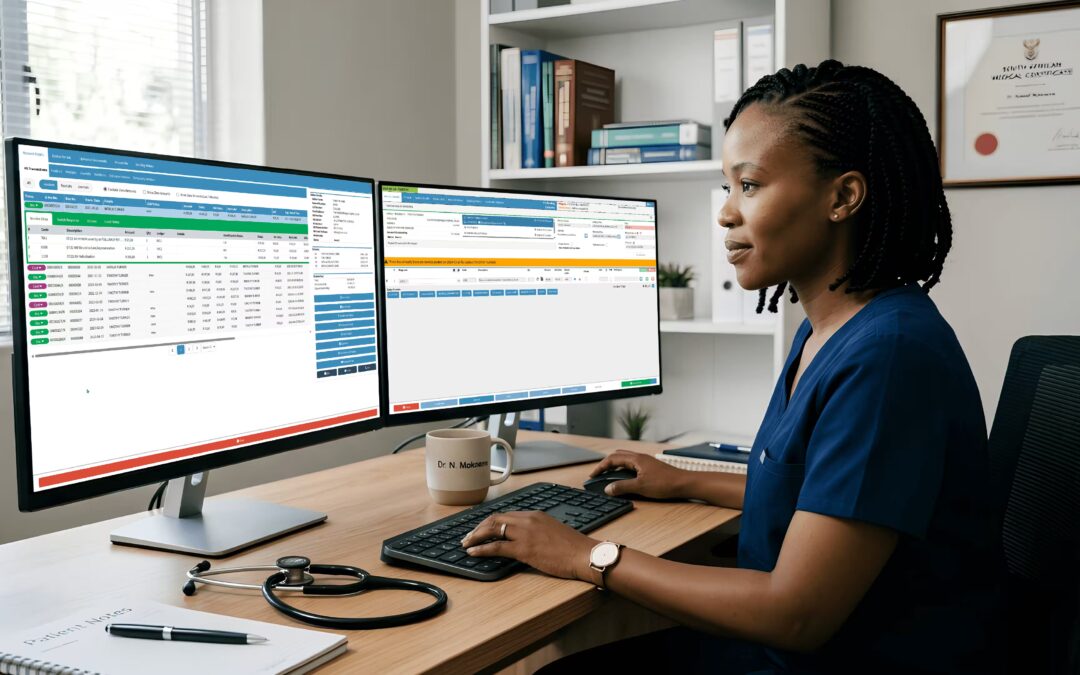
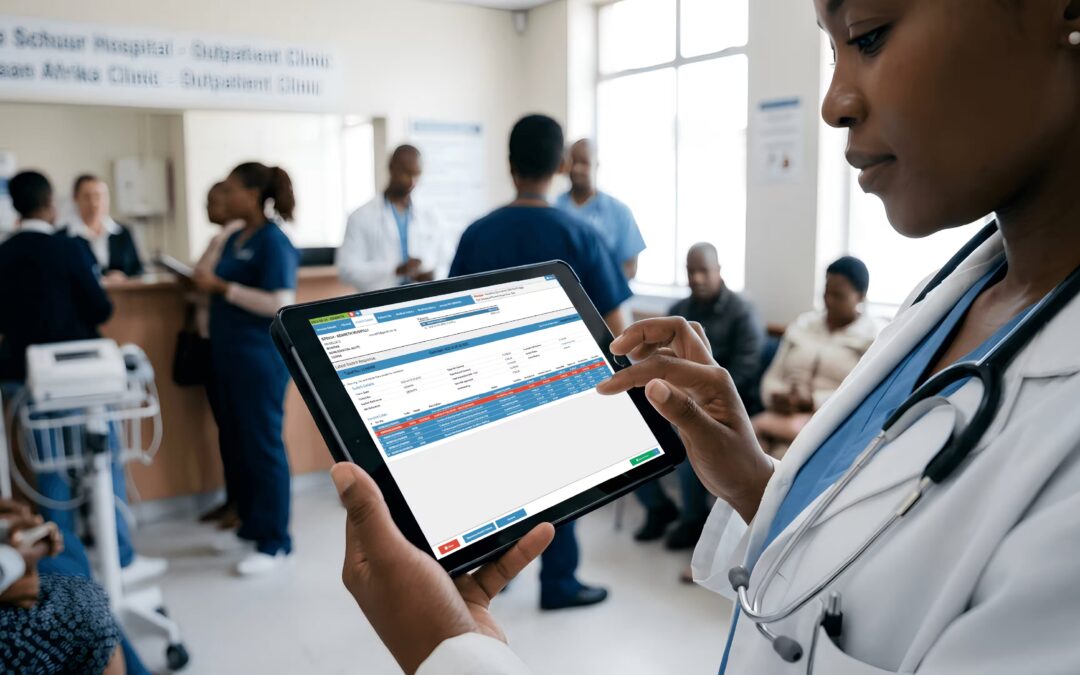
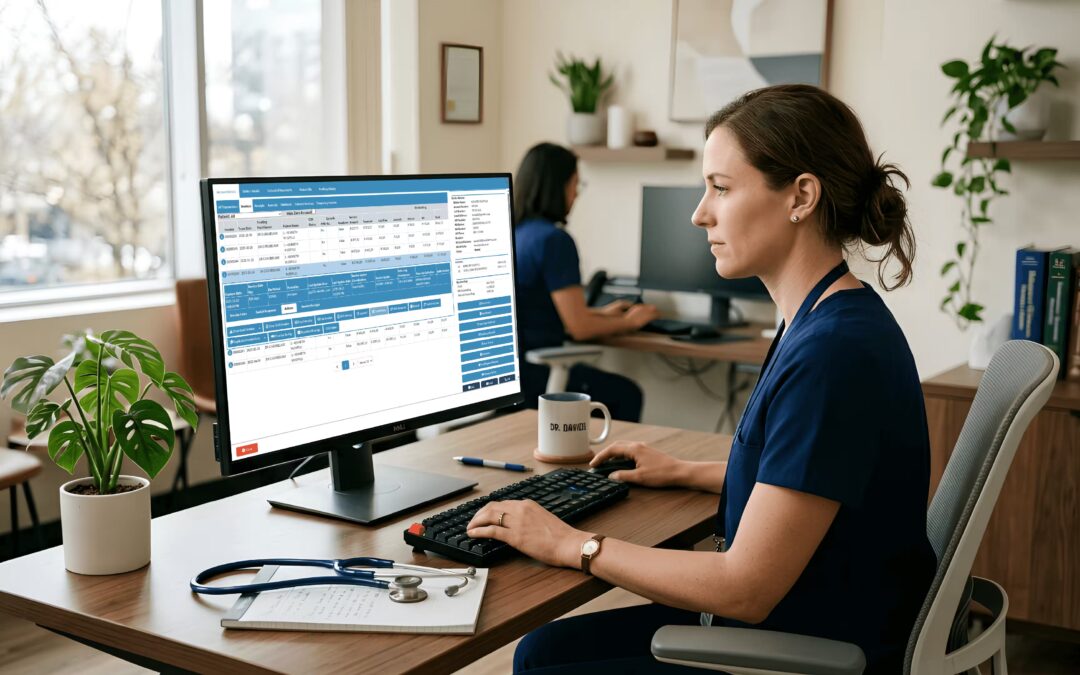
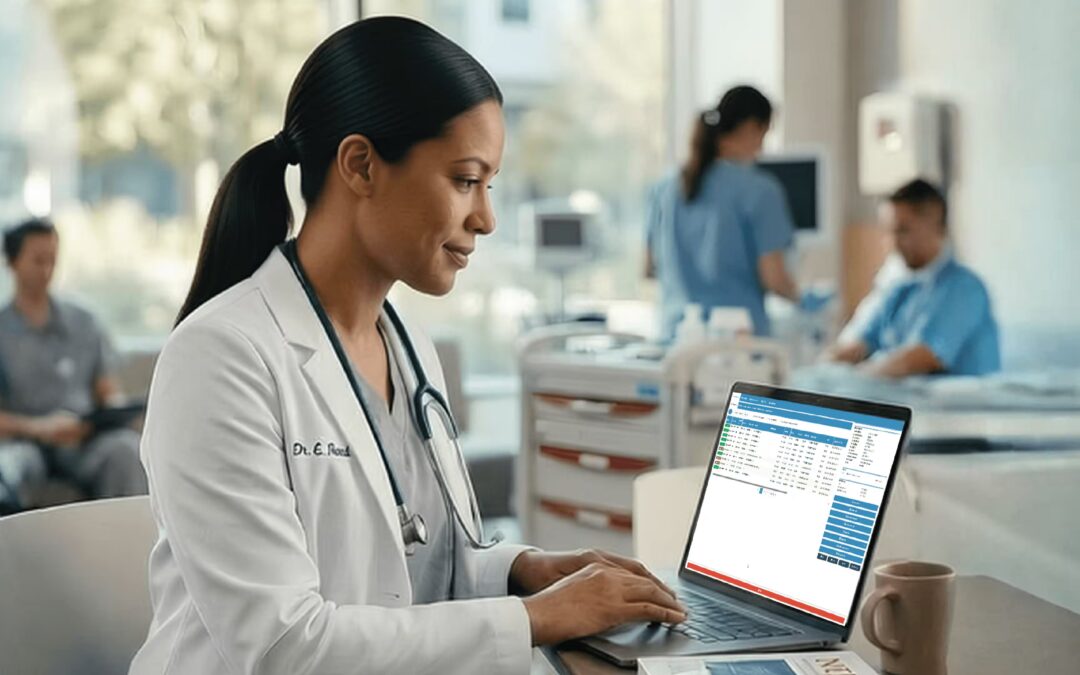
Healthcare practices in South Africa are increasingly looking for better ways to manage patient information, improve efficiency and support high-quality care. Cloud based EHR software offers one way of moving beyond traditional paper records and disconnected systems by making electronic patient information more accessible within a digital healthcare environment.
But moving from paper files to electronic health records is not simply about replacing folders with computers. The real value comes from improving the quality of information available to healthcare professionals, supporting better workflows and helping practices provide safer, more efficient patient care.
This article explores the potential benefits of cloud based EHR software for South African practices, the challenges that still need to be considered, and where solutions such as GoodX can fit into the broader EHR and practice-management landscape.
What Is Cloud Based EHR Software?
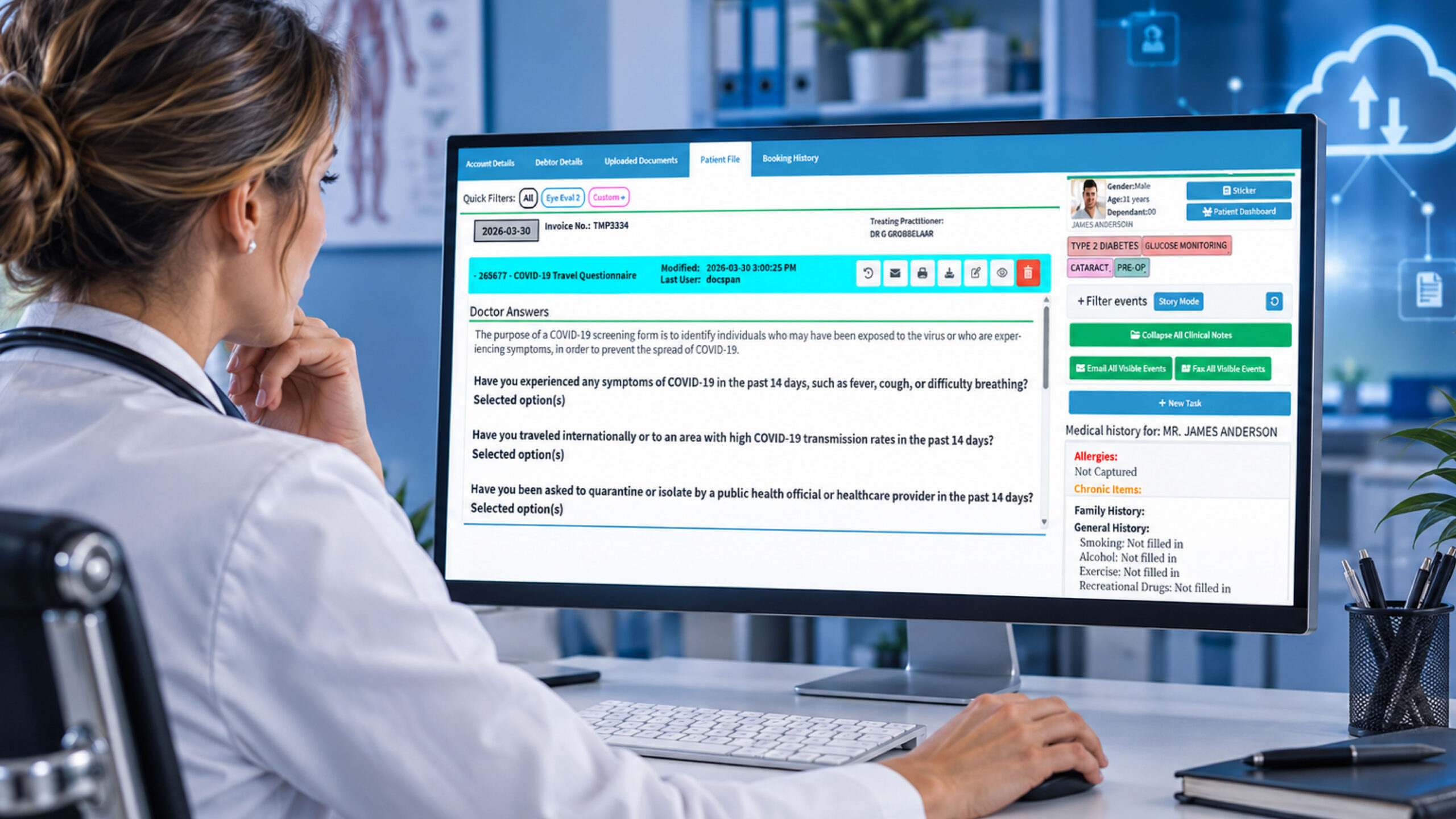
Cloud based EHR software is an electronic health record system that uses cloud technology to store and manage healthcare information rather than relying entirely on records kept locally on individual computers or paper files.
An electronic health record can contain important patient information such as:
- Patient demographics
- Medical history
- Consultation information
- Diagnoses
- Treatment information
- Clinical notes
- Medication information
- Test and investigation results
- Other relevant healthcare information
The cloud component can make information available through connected devices and systems, depending on the software, permissions and infrastructure being used.
This creates the possibility of a more connected approach to healthcare information management.
However, the technology itself is not enough. The way an EHR system is implemented, used and integrated into healthcare workflows is equally important.
Why Are EHRs Important in South African Healthcare?
South Africa has faced challenges in moving healthcare records from paper-based systems to effective electronic health records.
Research into South African healthcare has highlighted issues around fragmented systems, limited integration and organisational challenges. There is also a need for healthcare information to be accurate and accessible when professionals need it.
This matters because healthcare decisions depend heavily on information.
When a healthcare professional has access to complete and accurate patient information, it can become easier to understand a patient’s history and make informed decisions.
A 2024 South African study examining an EHR model also found relationships between information quality, knowledge quality, medical error reduction and the cost of patient treatment.
In other words, EHR software is not simply an administrative convenience. It can potentially influence the quality and safety of healthcare delivery.
1. Better Access to Patient Information
One of the most obvious benefits of an electronic health record is easier access to patient information.
Paper files can be difficult to locate, transport, update and share. If information is stored across multiple physical files or disconnected systems, healthcare professionals may not always have the complete picture when they need it.
Cloud based EHR software can help create a centralised digital environment where authorised users can access relevant information.
For a medical practice, this can mean less time spent searching for records and more time focused on the patient.
Instead of:
Find file → open file → search through paperwork → locate information
the process can become:
Open patient record → review relevant information → continue consultation
That difference may appear small, but across hundreds or thousands of consultations, improved access can have a meaningful effect on workflow.
2. Improved Information Quality
Having patient information electronically stored does not automatically mean the information is accurate.
However, a well-designed EHR system can provide a structured environment for capturing, updating and retrieving information.
This is important because poor-quality information can create problems throughout the healthcare process.
For example, incomplete or difficult-to-read records can make it harder for healthcare professionals to understand previous care.
Digital records can help practices organise information in a more consistent way.
The South African research reviewed for this article highlights the importance of information quality and knowledge quality in relation to reducing medical errors.
The principle is straightforward:
Better information can support better decisions.
For healthcare professionals, having relevant patient information available at the right time can be extremely valuable.
3. Potential Reduction in Medical Errors
Medical errors can have serious consequences for both patients and healthcare professionals.
One of the potential advantages of EHR systems is that they can make important patient information easier to access and review.
The South African EHR model research found that information quality had a significant relationship with medical error reduction.
This does not mean that simply installing EHR software will eliminate medical errors.
Healthcare remains complex, and errors can have many causes.
However, accurate, accessible and well-organised patient information can give healthcare professionals a stronger foundation for making clinical decisions.
This is one of the reasons EHR adoption can be about much more than convenience.
4. More Efficient Practice Workflows
Medical practices have many moving parts.
A typical practice may need to manage:
- Patient registrations
- Appointments
- Consultations
- Clinical records
- Billing
- Accounts
- Medical aid processes
- Administrative tasks
- Patient communication
- Reporting
When these processes are disconnected, staff may need to enter the same information multiple times or move between different systems.
An integrated digital environment can help reduce unnecessary duplication.
This can potentially make everyday processes smoother and allow administrative staff and healthcare professionals to spend less time dealing with repetitive paperwork.
Efficiency is not about making healthcare feel rushed. It is about removing unnecessary friction from the process.
5. Supporting Better Patient Care
Ultimately, the purpose of healthcare technology should be to support patients.
EHR systems can contribute to better patient care by helping healthcare professionals access relevant information during the patient journey.
A more complete patient record can provide greater context around previous consultations, treatments and clinical information.
The research reviewed for this article supports the broader idea that complete and accurate information can contribute to better healthcare outcomes.
For practices, this means the EHR should not be viewed simply as an electronic filing cabinet.
It should be considered part of the wider healthcare workflow.
6. Cloud Technology Can Help Address Some EHR Challenges
Cloud technology has been identified as one possible approach to addressing some of the challenges associated with implementing electronic health records.
Research specifically examining electronic health records in the cloud in South African primary healthcare identified technological, environmental and organisational challenges affecting implementation.
The research also highlighted the potential for cloud technology to help healthcare systems “leapfrog” some traditional implementation problems.
This is particularly relevant in environments where healthcare organisations may struggle with legacy systems or fragmented technology.
Instead of building every component of an EHR environment from the ground up at each location, cloud-based approaches can potentially provide a more centralised technological foundation.
However, cloud technology does not remove every challenge.
Infrastructure, connectivity, organisational readiness, training, security and implementation all remain important considerations.
7. Potential Cost Benefits
Healthcare practices need to consider cost carefully when investing in technology.
EHR software can potentially reduce some of the costs associated with paper-based record keeping and inefficient administrative processes.
For example, practices may spend resources on:
- Paper
- Printing
- Physical file storage
- Manual filing
- Searching for records
- Repeated data entry
- Maintaining disconnected systems
Digital systems can change how these processes are managed.
The South African EHR research also examined the relationship between EHR use, treatment costs and medical error reduction.
That does not mean every cloud EHR will automatically reduce costs.
Instead, practices should assess the total cost of ownership and consider whether the software improves efficiency enough to justify the investment.
8. Easier Scalability for Growing Practices
A practice’s technology requirements can change as it grows.
A small practice may initially have a relatively simple patient-record requirement. Over time, it may have more healthcare professionals, more patients, additional administrative staff and increasingly complex workflows.
Cloud based EHR software can offer a more flexible digital environment for practices that need to scale their systems.
The exact scalability will depend on the software provider, infrastructure and implementation model.
Nevertheless, choosing technology that can support future growth can be more practical than repeatedly replacing systems as the practice expands.
9. Supporting Healthcare Integration
One of the major challenges highlighted in research into electronic health records is fragmentation.
Healthcare information can exist in different systems, organisations and formats.
If those systems cannot communicate effectively, information may remain isolated.
This is why interoperability is an important consideration when evaluating EHR software.
A modern healthcare technology solution should ideally be considered not only in terms of what information it stores, but also how that information fits into the wider healthcare environment.
For South African practices, this could become increasingly important as healthcare digitisation continues to develop.
Where Does GoodX Fit Into Cloud Based EHR Software?
This is where GoodX can fit into the broader conversation.
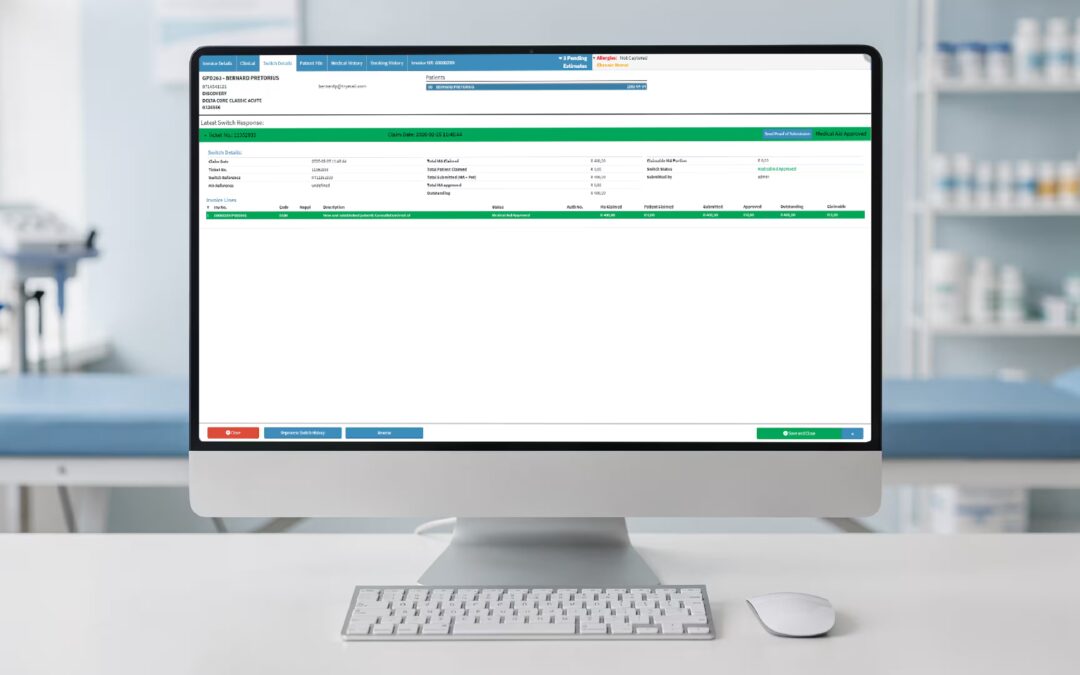
GoodX is a South African healthcare technology platform that brings clinical and practice-management functionality together within a digital environment.
That distinction is important because medical practices do much more than store patient records.
A practice may need to manage the entire patient journey, including:
Patient → Appointment → Consultation → Clinical Record → Billing → Account → Follow-up
An EHR system that sits within a broader practice-management environment can therefore provide value beyond simply replacing paper records.
For South African practices considering cloud based EHR software, GoodX is an example of how clinical information and practice administration can be approached as part of a wider digital workflow.
The South African context also matters.
Healthcare practices operate within local administrative, billing and healthcare requirements. Software designed with the South African medical environment in mind may therefore offer practical advantages for local practices.
When evaluating GoodX or any other EHR solution, practices should still consider their own requirements, including:
- Clinical workflows
- Patient-record requirements
- Practice administration
- Billing and accounts
- Integration requirements
- Data security and privacy
- User access
- Scalability
- Support and training
- Ease of use
The goal should not simply be to choose software with the most features. The goal is to choose technology that fits the way the practice actually works.
10. Cloud EHR Software Still Has Challenges
Cloud based EHR software can offer significant potential benefits, but practices should not ignore the challenges.
The South African research on cloud EHR implementation identified several categories of challenges, including:
Technology
Technology infrastructure can influence whether an EHR system works effectively.
Connectivity, hardware, system availability and technical support all need to be considered.
Environment
Healthcare organisations operate within complex environments.
Different facilities can have different levels of technological readiness and resources.
Organisation
Introducing an EHR changes how people work.
Staff may need training and support, while organisations may need to change established processes.
This means successful EHR implementation requires more than purchasing software.
People, processes and technology need to work together.
What Should South African Practices Look For in Cloud Based EHR Software?
Before selecting a cloud based EHR solution, practice owners and healthcare professionals should look beyond the sales pitch.
Consider asking:
1. Does it fit your clinical workflow?
The system should support the way healthcare professionals actually work.
2. Is patient information easy to access?
A complicated interface can undermine the benefits of having digital records.
3. Does it support practice administration?
Look at the wider workflow, not just the clinical record.
4. Can it reduce duplication?
Integrated functionality can potentially reduce repetitive data entry and disconnected processes.
5. Does it support interoperability?
Consider how the system works with other healthcare technologies and information systems.
6. How is security handled?
Healthcare information is sensitive. Practices should understand how patient information is protected and how user access is managed.
7. Is training available?
Even excellent software can fail if users do not understand how to use it effectively.
8. Can the system grow with the practice?
Consider both current requirements and future needs.
9. Is it appropriate for South Africa?
Local healthcare requirements, workflows and administrative processes should be considered when evaluating a solution.
Cloud Based EHR Software and the Future of South African Healthcare
South Africa’s healthcare environment continues to move toward greater digitisation.
The transition is not necessarily going to happen overnight, and there are genuine challenges to overcome.
But the direction is clear: healthcare information is increasingly becoming digital.
Cloud technology may form part of this transition by providing an alternative to traditional approaches to hosting and managing electronic health records.
The real opportunity, however, goes beyond the technology itself.
The value of an EHR comes from what healthcare professionals can do with better information.
When patient information is more accessible, accurate and organised, healthcare professionals can potentially make better-informed decisions. Practices can potentially streamline administrative workflows. Patients can benefit from a more connected healthcare experience.
That is the bigger picture.
The Bottom Line
Cloud based EHR software can offer South African practices more than digital patient files.
When implemented effectively, an EHR can support better information access, improved information quality, more efficient workflows and potentially fewer medical errors.
Research from the South African healthcare environment also shows that successful EHR implementation is not without challenges. Technology, organisational readiness, infrastructure and integration all matter.
For practices evaluating their options, the key question should therefore not simply be:
“Do we need an electronic health record?”
It should be:
“How can we use digital healthcare technology to improve the way our practice operates and the way we care for patients?”
Solutions such as GoodX fit into this broader picture by combining healthcare information and practice-management processes within a digital environment designed for the South African healthcare context.
Ultimately, the best cloud based EHR software is not necessarily the system with the longest feature list.
It is the system that helps people access better information, work more effectively and provide better care.
Contact our team to book your free GoodX demo.
Disclaimer: This article is provided for general informational and educational purposes only. While GoodX Software takes reasonable care to ensure that the information is accurate and current at the time of publication, laws, regulations, industry standards, healthcare policies and technology may change. The content should not be regarded as medical, legal, financial or other professional advice. Readers should verify information relevant to their circumstances and consult an appropriately qualified professional where necessary. GoodX Software accepts no responsibility for decisions made or actions taken solely on the basis of this content.