Healthcare Scheduling Software: Everything South African Practices Need to Know
Running a successful healthcare practice depends on far more than clinical expertise. Every day begins and ends with one critical process that influences patient satisfaction, staff productivity and the overall efficiency of the practice: scheduling.
Whether you operate a GP practice, specialist rooms, dental clinic, physiotherapy practice or multidisciplinary healthcare centre, poor appointment management creates a ripple effect throughout the day. Double bookings, missed appointments, last-minute cancellations and overbooked clinicians don’t just frustrate staff, they affect patient care, revenue and the overall experience your practice delivers.
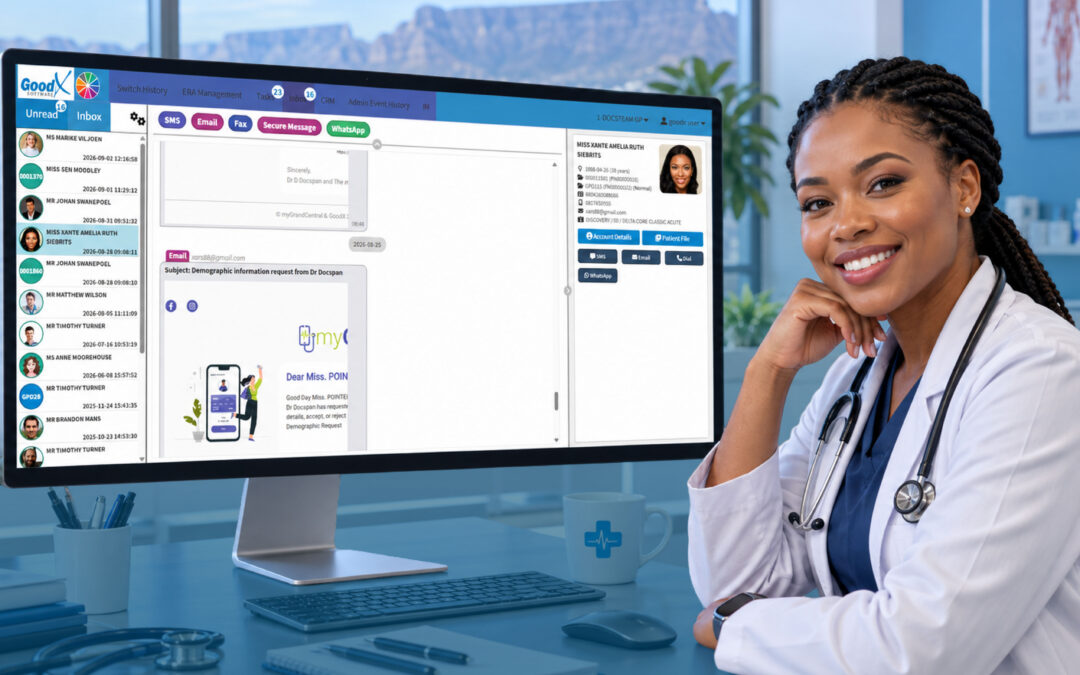
This is where healthcare scheduling software has become an essential part of modern healthcare. Today’s solutions do far more than manage a digital calendar. The best platforms integrate appointment scheduling with patient records, billing, clinical documentation, telehealth and automated communication, creating a connected workflow that saves time while improving patient outcomes.
If you’re considering investing in healthcare scheduling software for your South African practice, here’s everything you need to know before making your decision.
What Is Healthcare Scheduling Software?
Healthcare scheduling software is a digital system designed to manage appointments, clinician availability, patient bookings and daily practice operations.
Unlike a standard calendar application, healthcare scheduling software understands the complexity of medical practices.
It can coordinate:
Multiple practitioners
Different consultation types
Appointment durations
Multiple consulting rooms
Equipment availability
Patient communication
Waiting lists
Recurring appointments
Online bookings
Telehealth sessions
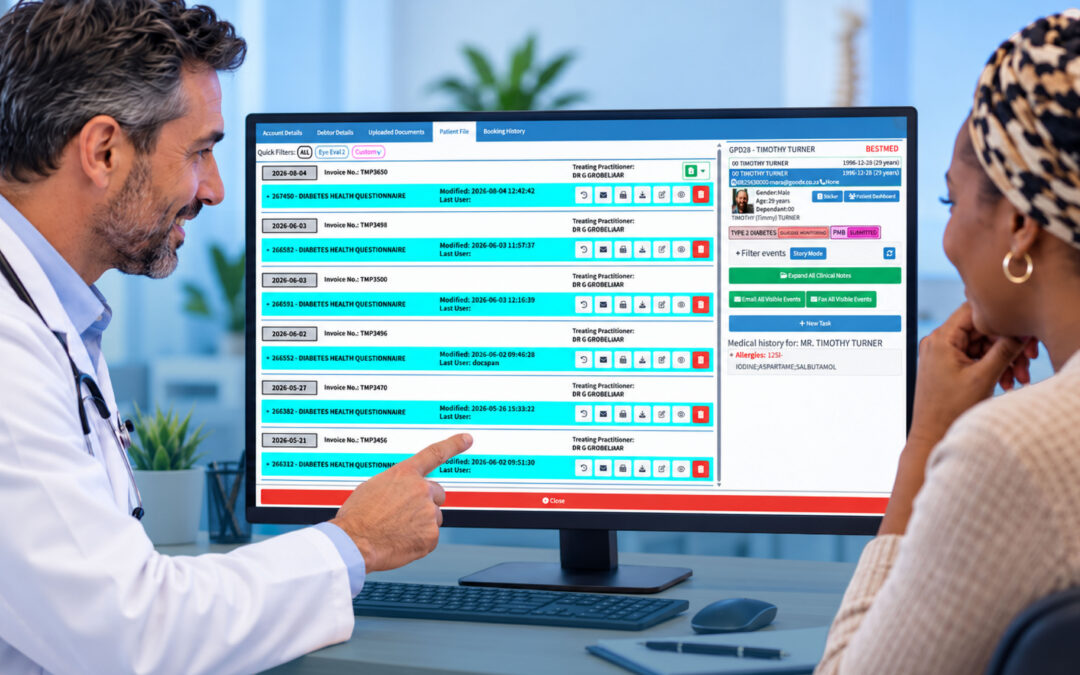
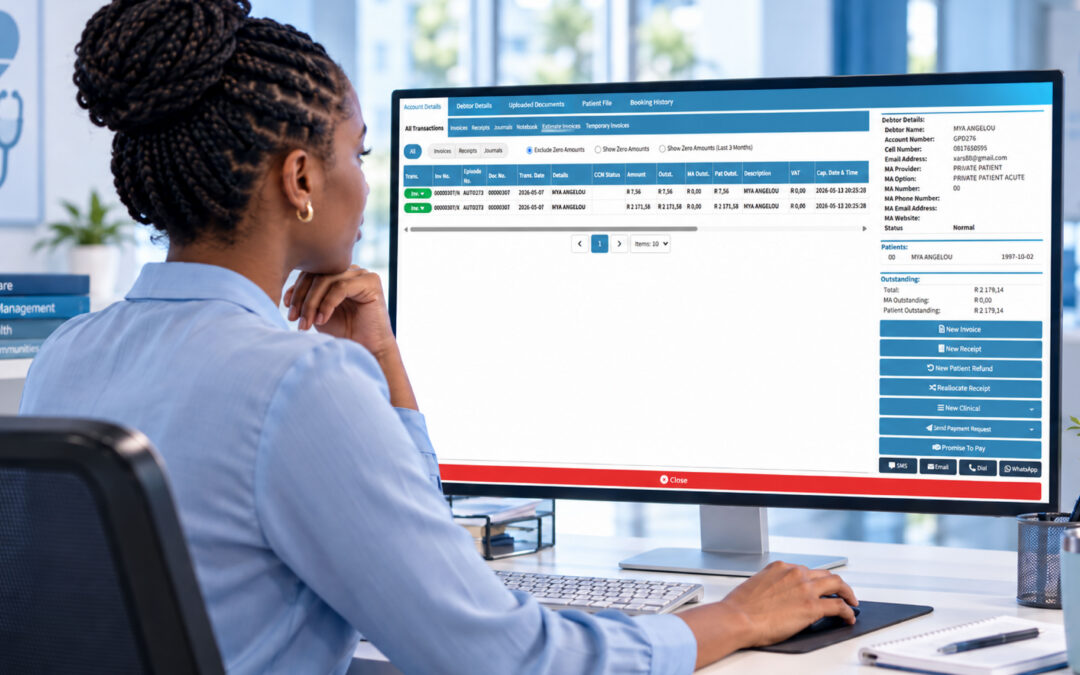
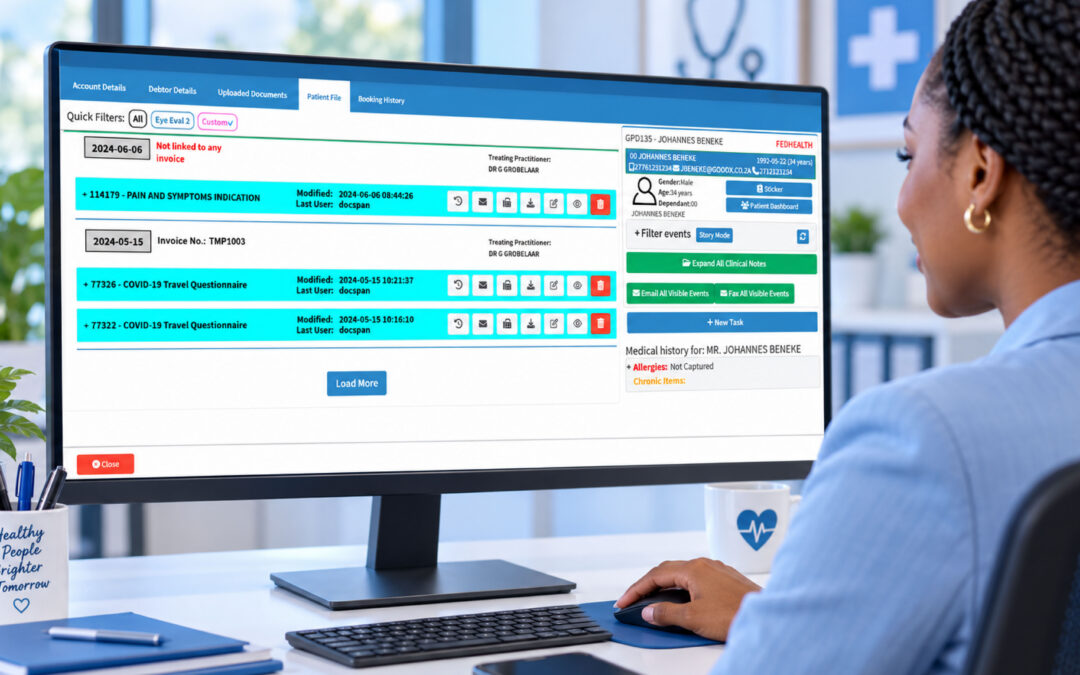
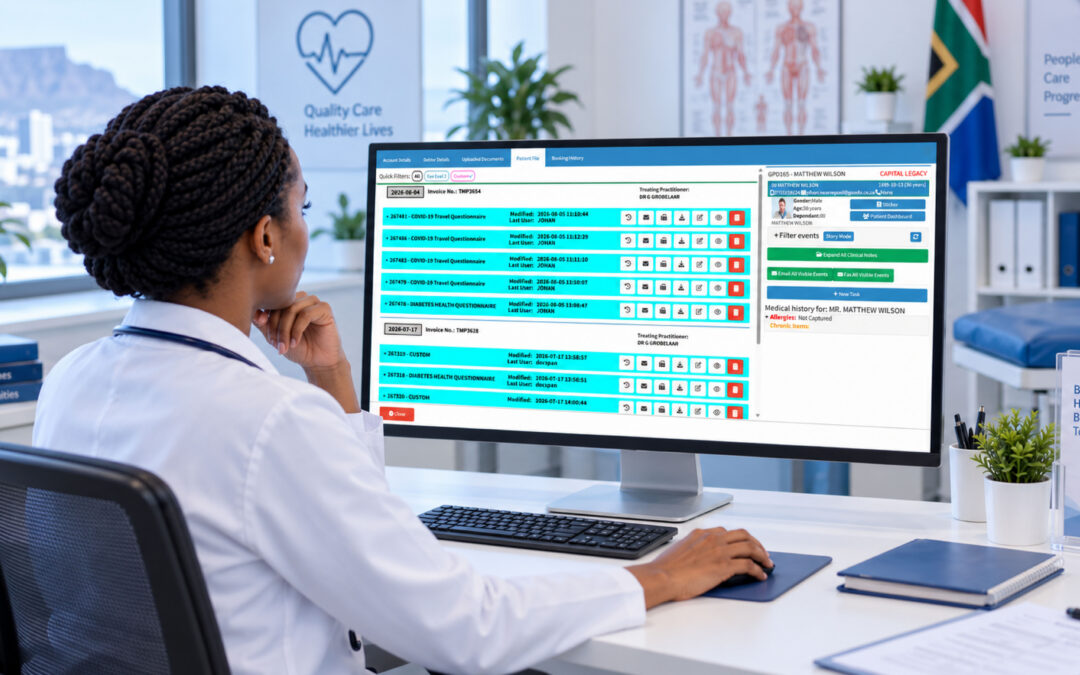
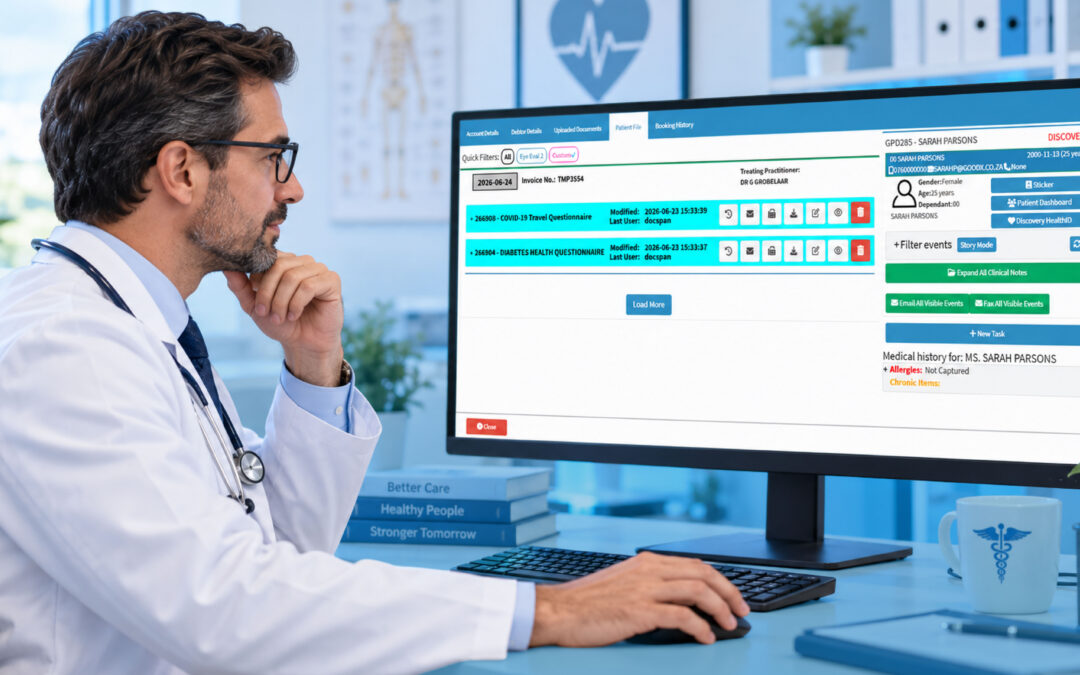
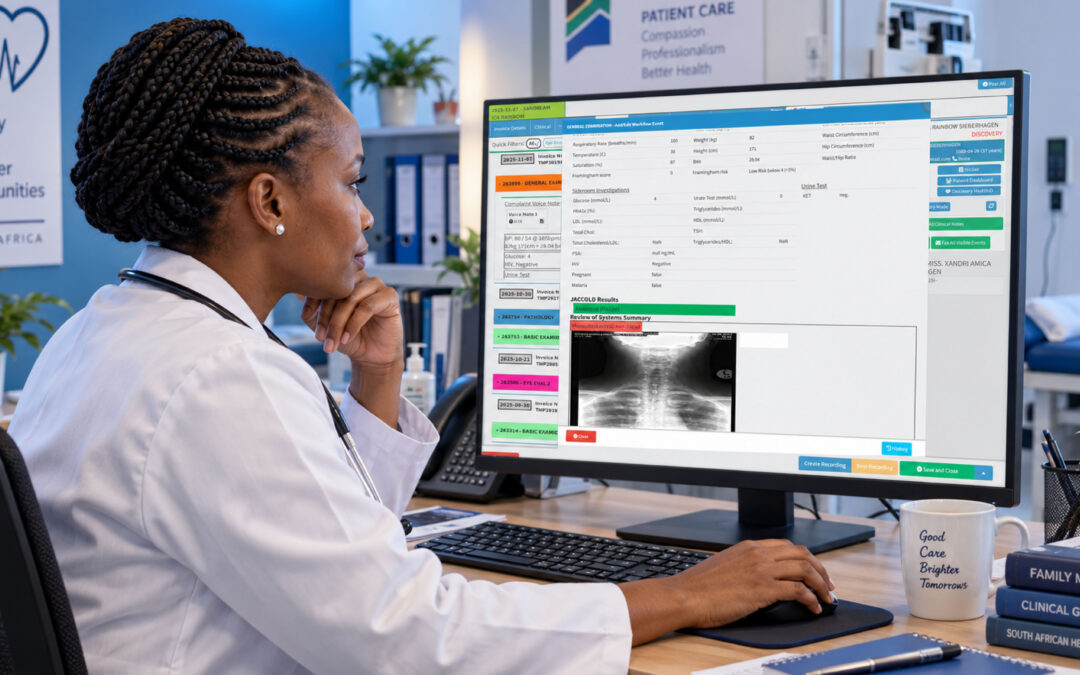
The most advanced platforms integrate scheduling directly with your Electronic Health Record (EHR) and practice management software, ensuring information flows automatically throughout the patient journey.
Instead of managing appointments separately from patient records and billing, everything works together in one connected system.
Why Scheduling Matters More Than Most Practices Realise
Many practitioners view scheduling as an administrative task.
In reality, it influences almost every aspect of a healthcare practice.
A poorly managed diary can result in:
Long patient waiting times
Overworked clinicians
Reception bottlenecks
Increased no-show rates
Missed revenue opportunities
Administrative duplication
Staff frustration
Conversely, efficient scheduling improves:
Patient satisfaction
Clinical productivity
Team communication
Resource utilisation
Revenue stability
Practice growth
Scheduling is not simply about filling appointment slots.
It is about ensuring the right patient sees the right practitioner at the right time, with the right information already available.
The Evolution of Healthcare Scheduling Software
Healthcare scheduling has changed dramatically over the past decade.
Many practices began with paper diaries before moving to digital calendars.
Although digital calendars improved visibility, they often remained disconnected from the rest of the practice.
Today’s leading healthcare scheduling platforms combine:
Appointment management
Electronic health records
Medical billing
Clinical documentation
Online booking
Automated reminders
Telehealth
Reporting
Patient communication
Rather than switching between multiple applications, practitioners and administrative staff work within one integrated environment.
The result is fewer errors, reduced administrative work and a smoother patient experience.
Why Integration Is More Important Than Features
Most software providers advertise extensive feature lists.
Scheduling.
Billing.
Patient records.
SMS reminders.
Online bookings.
On paper, many systems appear remarkably similar.
The real difference lies in how these features work together.
A truly integrated healthcare scheduling platform ensures that information entered once becomes available throughout the practice without duplicate data entry.
For example:
A patient books an appointment online.
Their information is automatically linked to their electronic record.
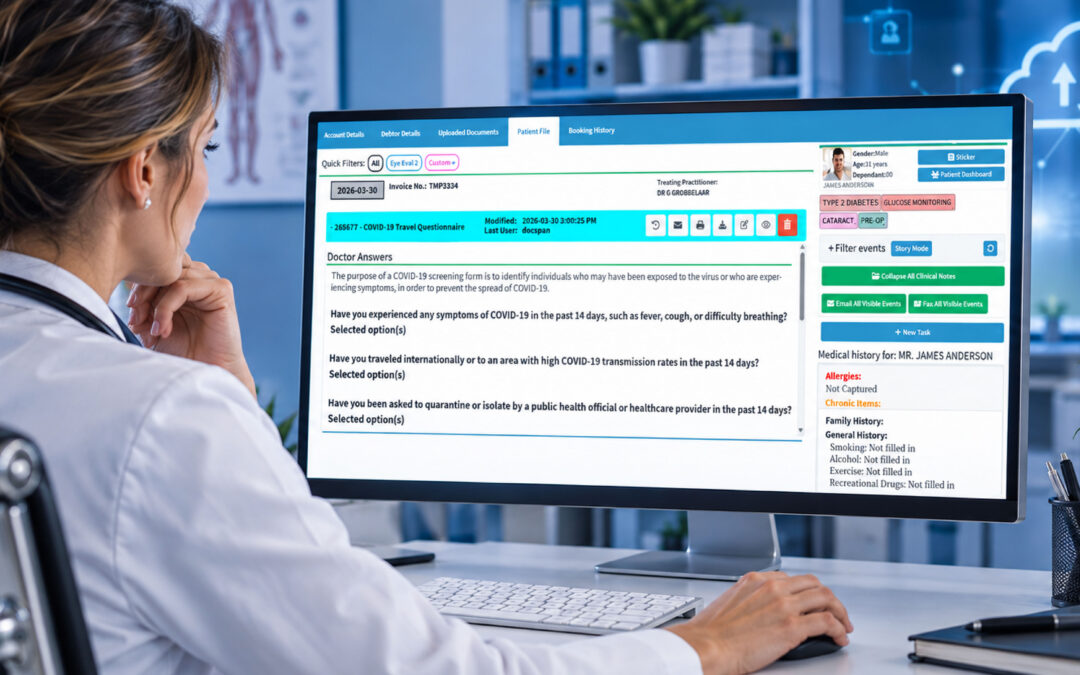
Medical history forms are completed before arrival.
The practitioner opens the consultation already prepared.
Clinical documentation becomes part of the patient record.
Billing is completed using the consultation information.
Follow-up appointments and reminders are scheduled automatically.
Every step builds on the previous one.
No repeated typing.
No copying information between systems.
No unnecessary administrative work.
This level of integration creates efficiencies that are difficult to appreciate during a software demonstration but become invaluable over months and years of daily use.
Choosing Software Built Around Clinical Workflows
One of the most overlooked considerations when selecting healthcare scheduling software is how the platform was originally designed.
Many systems started life as billing software before expanding into scheduling and clinical documentation.
Others began as scheduling tools before adding patient records.
A smaller number were designed around clinical workflows from the outset.
This matters because software architecture influences how naturally the system supports healthcare professionals.
Platforms designed around clinical workflows often provide smoother experiences when managing:
Consultation preparation
Clinical documentation
Follow-up appointments
Referrals
Ongoing patient care
Integrated communication
Rather than forcing clinicians to adapt to the software, these systems support the way healthcare is actually delivered.
Essential Features Every Healthcare Scheduling Platform Should Include
When comparing healthcare scheduling software, look beyond the marketing material.
Evaluate whether the platform includes features that genuinely improve your daily workflow.
Online Appointment Booking
Patients increasingly expect to book appointments online at any time of day.
Online scheduling reduces telephone traffic while giving patients greater convenience.
It also allows reception teams to spend more time assisting patients instead of managing appointment requests.
Automated Appointment Reminders
Missed appointments remain one of the biggest challenges facing healthcare providers.
Automated SMS and email reminders help reduce no-shows by reminding patients about upcoming consultations.
Many systems also allow patients to confirm, cancel or reschedule appointments without calling the practice.
Waiting List Management
Last-minute cancellations create unused consultation time.
Effective scheduling software automatically identifies patients waiting for earlier appointments and fills available slots quickly.
This helps maximise clinician utilisation while reducing patient waiting times.
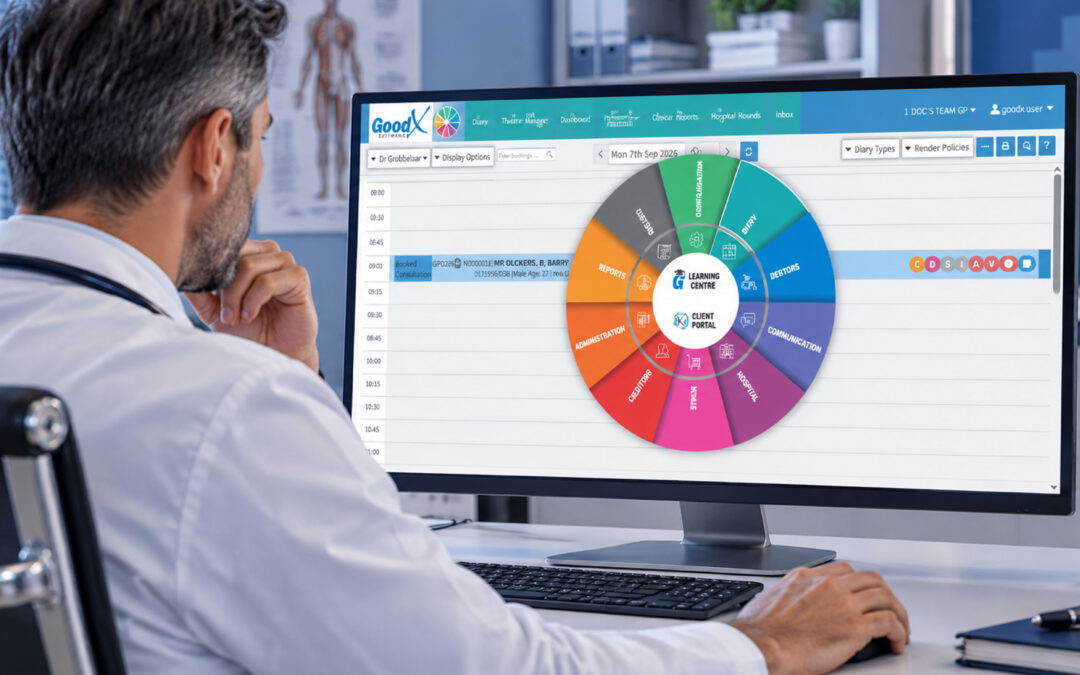
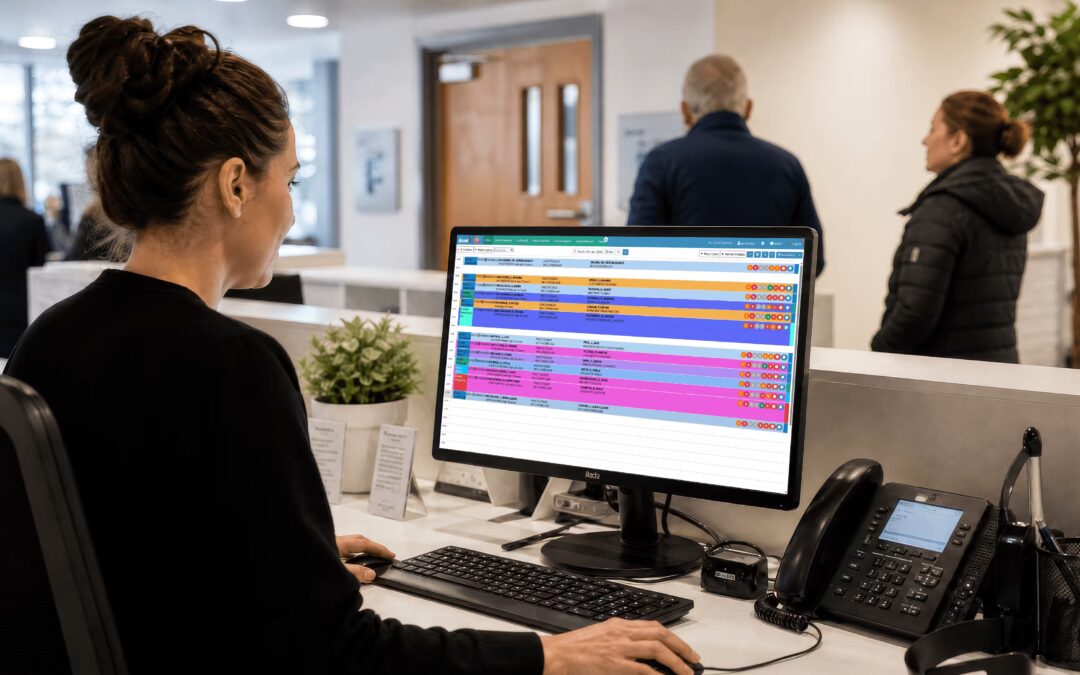
Multiple Practitioner Diaries
Practices with several healthcare professionals require scheduling software capable of coordinating multiple calendars simultaneously.
Reception staff should easily view practitioner availability, consulting rooms and appointment types from a single dashboard.
Custom Appointment Types
Different consultations require different appointment durations.
For example:
Initial consultations
Follow-up appointments
Procedures
Telehealth consultations
Annual medicals
Scheduling software should allow practices to customise appointment lengths based on clinical requirements rather than using one standard duration for everything.
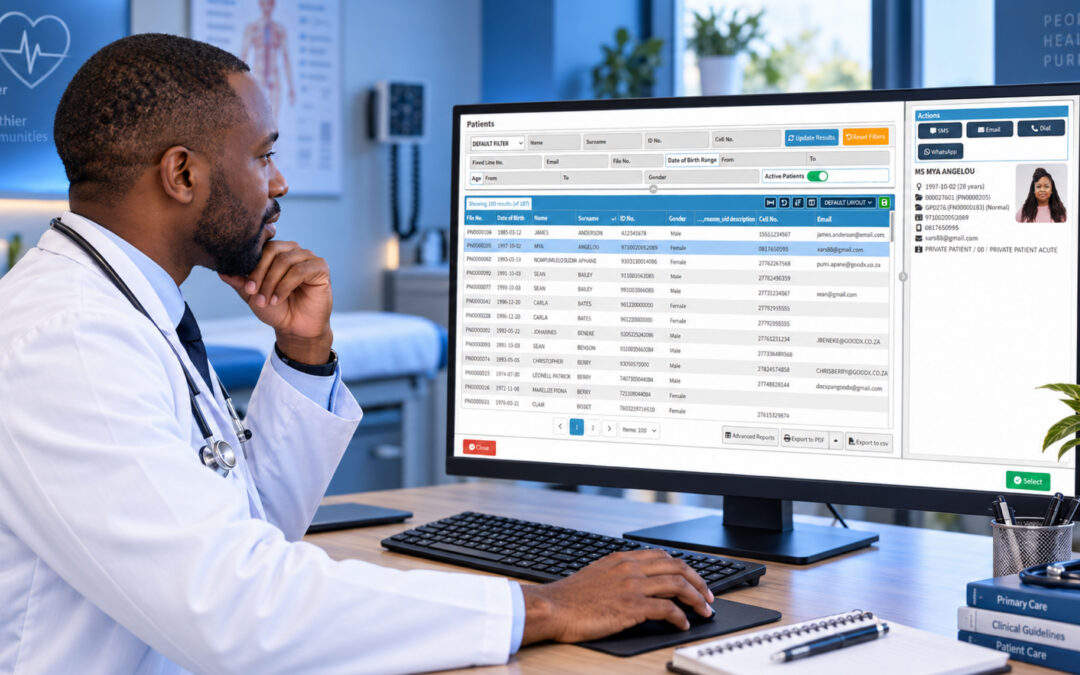
Integrated Patient Records
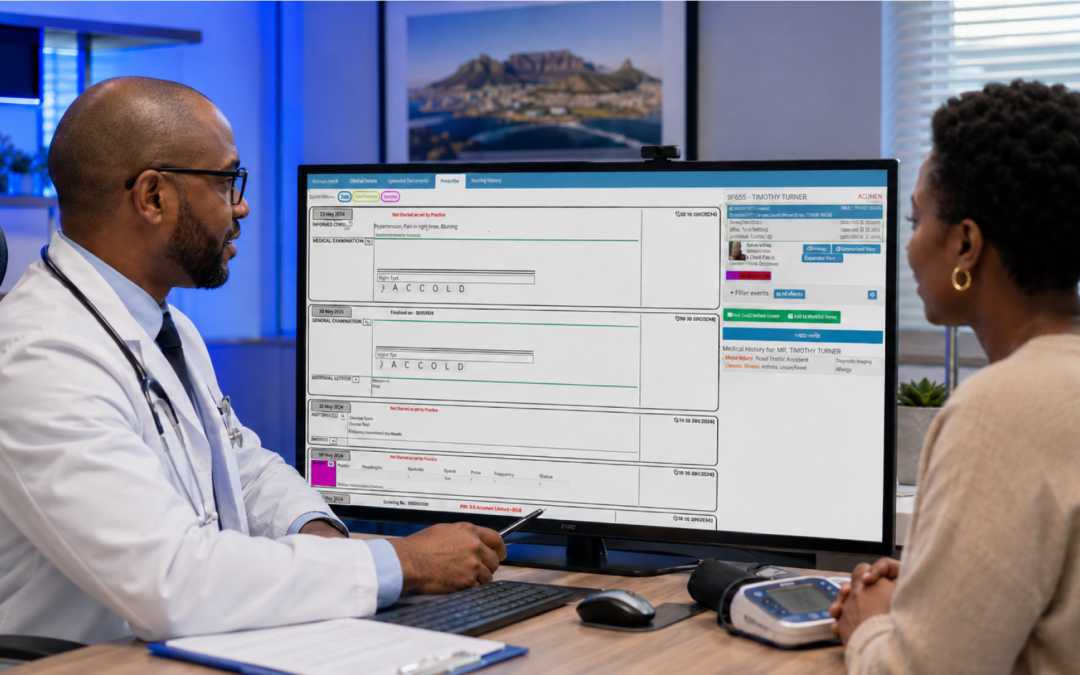
Appointments should connect directly to the patient’s electronic record.
When a clinician opens the day’s diary, they should immediately have access to previous consultations, medical history and relevant documentation.
This reduces preparation time while improving continuity of care.
Automated Patient Communication
Modern healthcare scheduling software should automatically send:
Appointment confirmations
Reminder messages
Follow-up communications
Recall notifications
Practice announcements
Automation ensures consistent communication without increasing administrative workload.
Healthcare Scheduling Is About More Than Efficiency
Efficient scheduling certainly saves time.
However, its greatest value may lie elsewhere.
Well-organised appointment management reduces stress for reception staff, provides clinicians with realistic workloads and gives patients greater confidence in the practice.
When appointments run on time and practitioners have immediate access to relevant patient information, consultations begin with preparation rather than administration.
That creates a better experience for everyone involved.
Talk to our South African team and book your free GoodX demo.