Running a medical practice in South Africa means navigating a web of regulations that govern how you handle patient data, store records, and use digital tools. Healthcare software compliance is no longer optional. It is a legal and ethical requirement that every practice, from a solo GP to a multi-site clinic, needs to understand and act on.
The good news is that with the right medical practice management software and a basic understanding of the regulatory landscape, staying compliant is entirely manageable. This guide breaks down what you need to know.
What is Healthcare Regulatory Compliance?
Healthcare regulatory compliance refers to the process of following laws, regulations, guidelines, and specifications relevant to your medical practice. In the context of healthcare software, this means that the digital tools you use to manage patient records, billing, and appointments must meet the legal standards set by the government and professional bodies.
In South Africa, the primary frameworks that govern this include the National Health Act (Act 61 of 2003), the Protection of Personal Information Act (POPIA), and the guidelines issued by the Health Professions Council of South Africa (HPCSA). These frameworks collectively determine how patient information must be collected, stored, accessed, and shared.
When your practice uses healthcare software that is not compliant with these frameworks, you expose yourself to significant legal risk, potential fines, and damage to patient trust. Regulatory compliance is therefore not a box-ticking exercise. It is a foundation for safe, ethical, and sustainable practice.
The World Health Organization also emphasises that health data governance is a critical component of quality healthcare systems globally. South African practices are part of this broader obligation to protect the people they serve.
What are the 7 Pillars of Compliance?
Whether you are reviewing your current systems or setting up a new practice, understanding the 7 pillars of compliance gives you a solid framework to assess where you stand and what still needs attention.
1. Written Standards and Policies
Your practice needs clearly documented policies that define how patient data is handled, who can access it, and under what circumstances it may be shared. These written standards form the basis of every other compliance effort.
2. High-Level Oversight
There should be a designated person or role within your practice responsible for overseeing compliance. In smaller practices, this is often the principal physician. In larger institutions, a dedicated compliance officer may be required.
3. Education and Training
All staff who interact with patient data or practice management software need to be trained. This is not a once-off activity. Regular refresher training, particularly as regulations evolve, is essential. Tools like GoodX Courses offer structured training modules that help your team stay current without disrupting daily operations.
4. Effective Communication
Compliance cannot live in a policy document that nobody reads. Your team needs to understand why these standards exist and how they apply to everyday tasks, from booking appointments to processing medical aid claims.
5. Monitoring and Auditing
You cannot manage what you do not measure. Your practice should conduct regular audits of how patient data is being handled and whether your software systems are maintaining appropriate access controls and audit trails.
6. Enforcement and Discipline
Where breaches occur, there must be a clear and fair process for addressing them. This includes documented disciplinary procedures that are applied consistently across all staff members.
7. Prompt Response and Correction
When a compliance problem is identified, whether through an audit, a complaint, or an incident, your practice must respond quickly and make corrections. Delayed responses can turn minor issues into serious regulatory violations.
Healthcare Software Compliance in South Africa
South Africa has its own specific compliance environment that makes healthcare software compliance both more complex and more important than in many other contexts. The two most significant pieces of legislation you need to understand are POPIA and the National Health Act.
POPIA and Your Practice
POPIA, which came into full effect in July 2021, requires that any organisation processing personal information, including medical records, must do so lawfully, fairly, and with appropriate safeguards. For medical practices, this means that your software must be capable of controlling who accesses patient records, logging that access, and preventing unauthorised disclosure. The Information Regulator of South Africa is the body responsible for enforcing POPIA, and they have the authority to investigate complaints and impose penalties for non-compliance.
Practically speaking, POPIA compliance for your practice management software means ensuring that: patient records are stored securely, access is role-based (so a receptionist cannot view clinical notes), and data is not retained longer than necessary. It also means having a process in place to notify the Information Regulator and affected patients in the event of a data breach.
The Role of Software in Staying Compliant
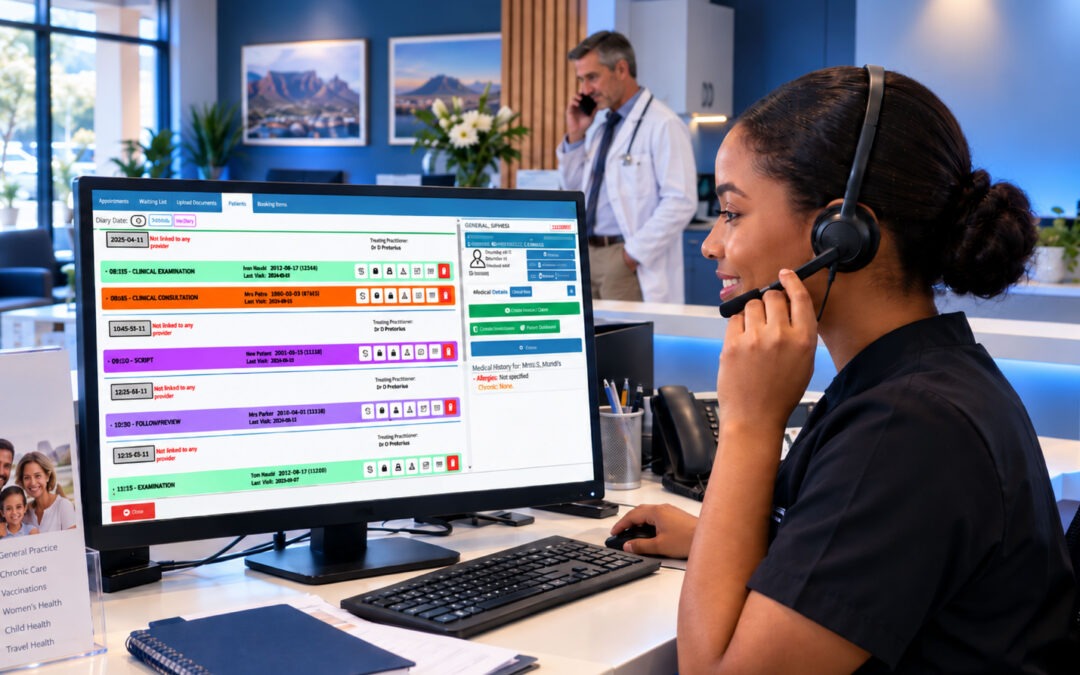
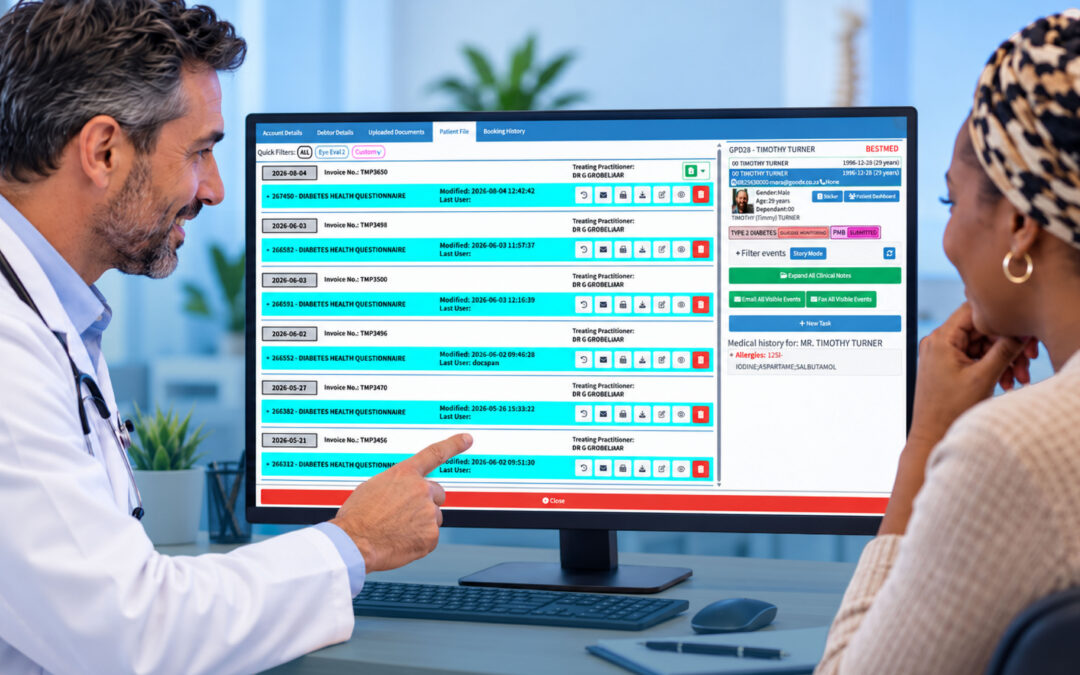
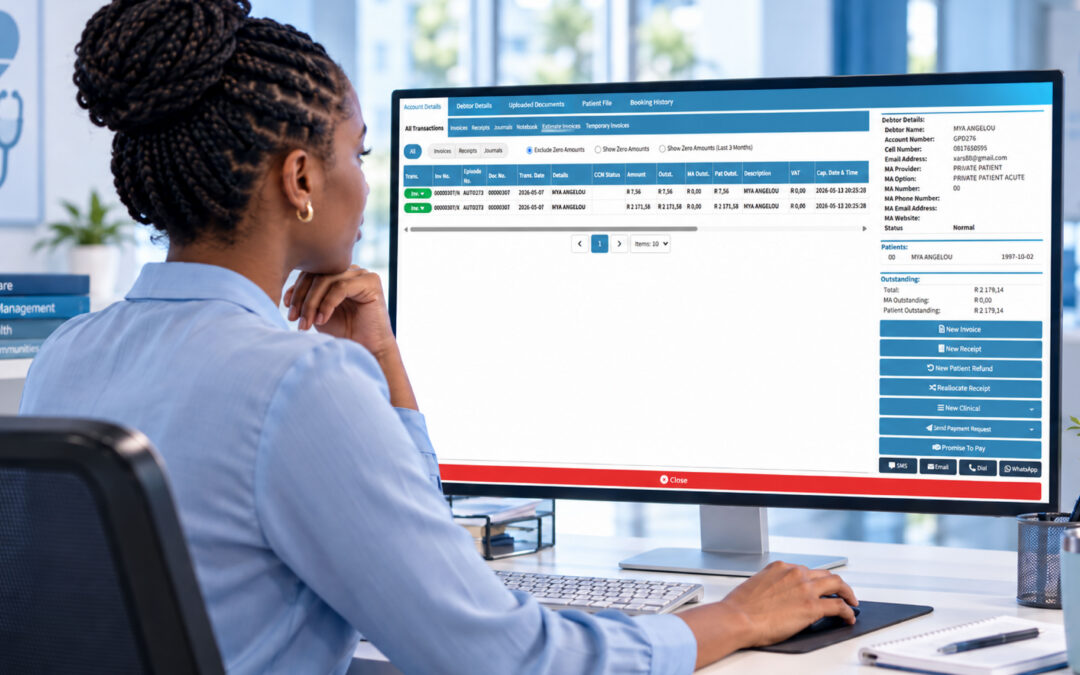
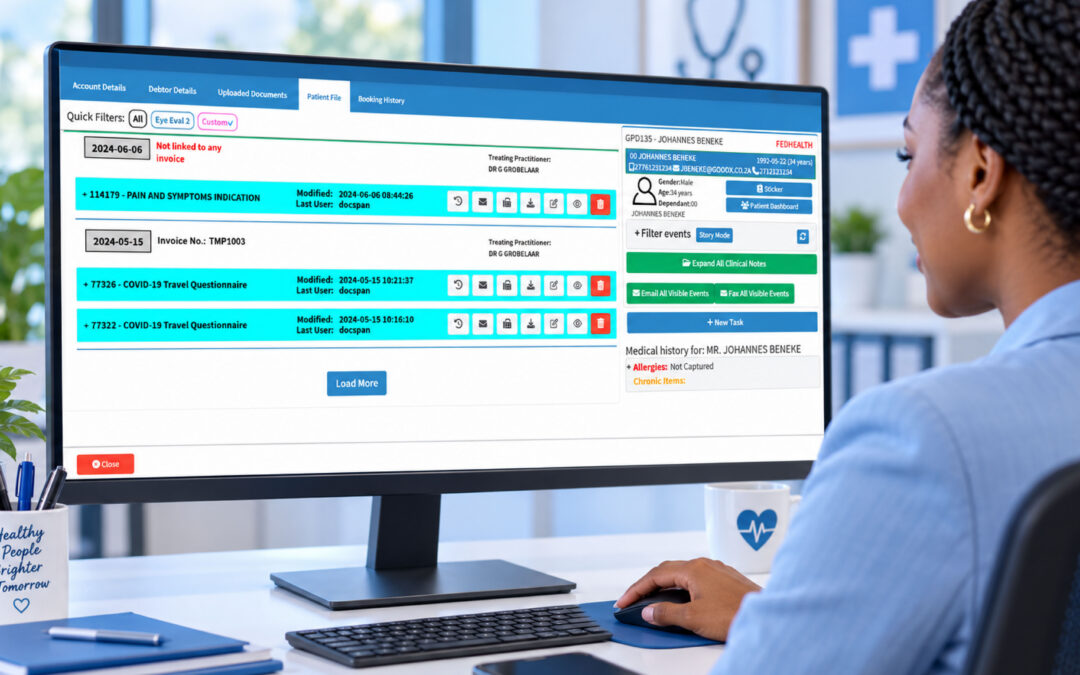
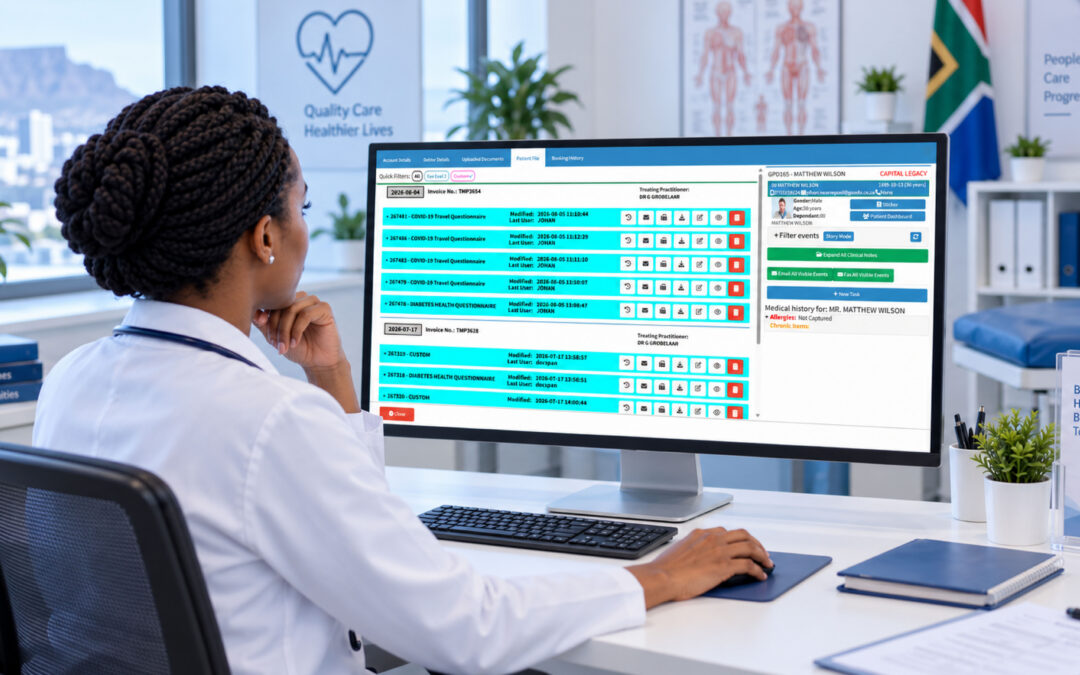
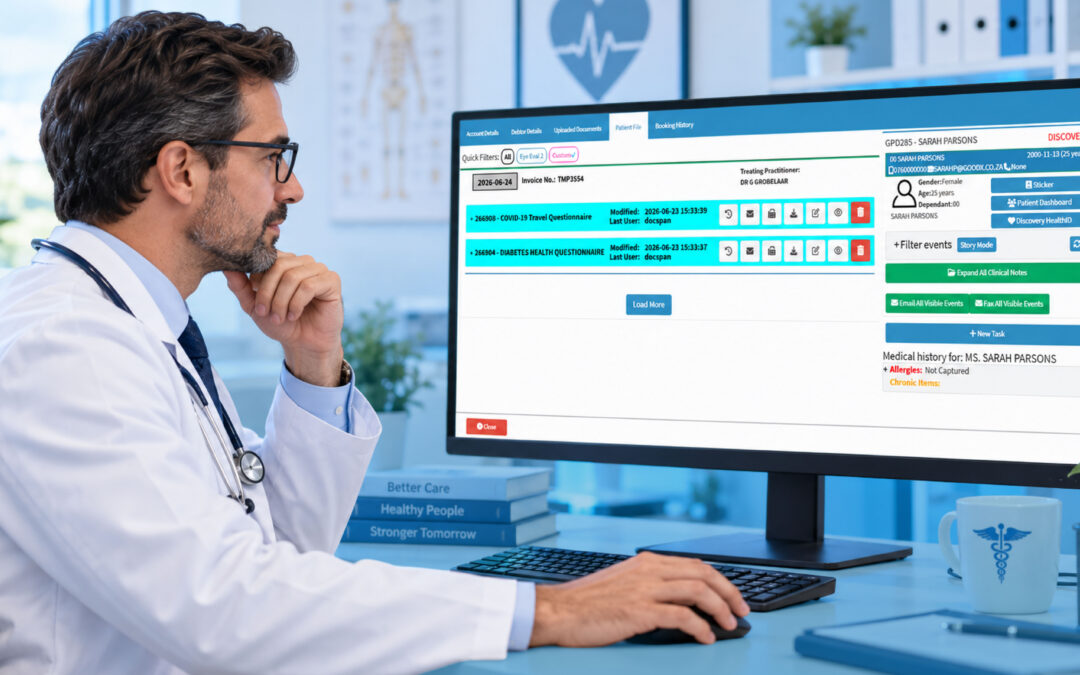
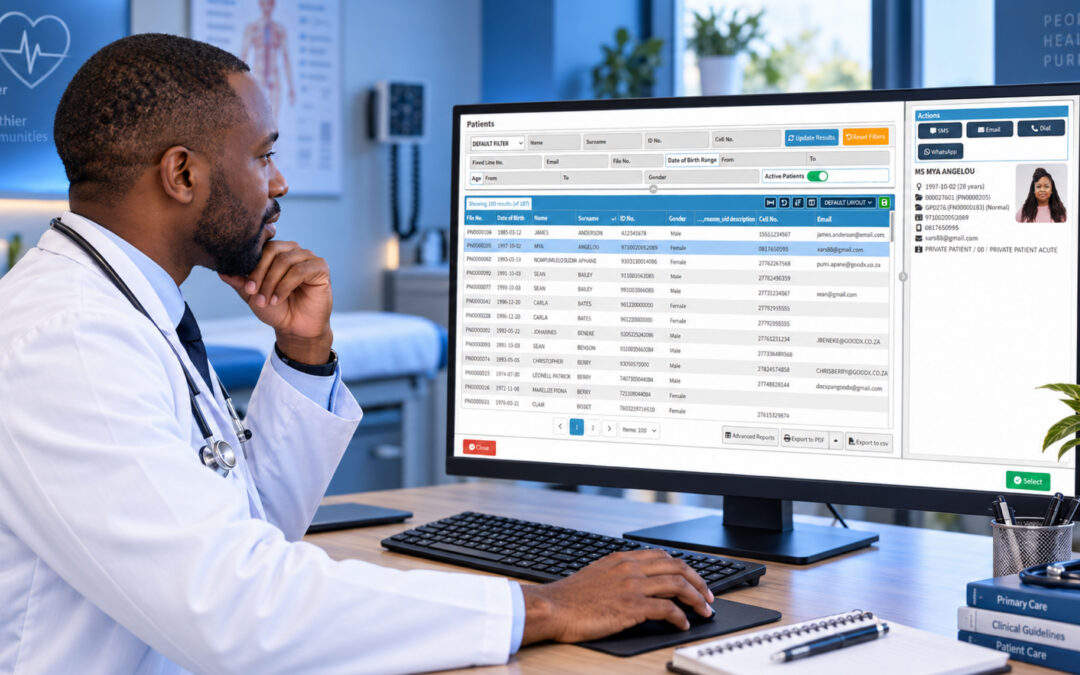
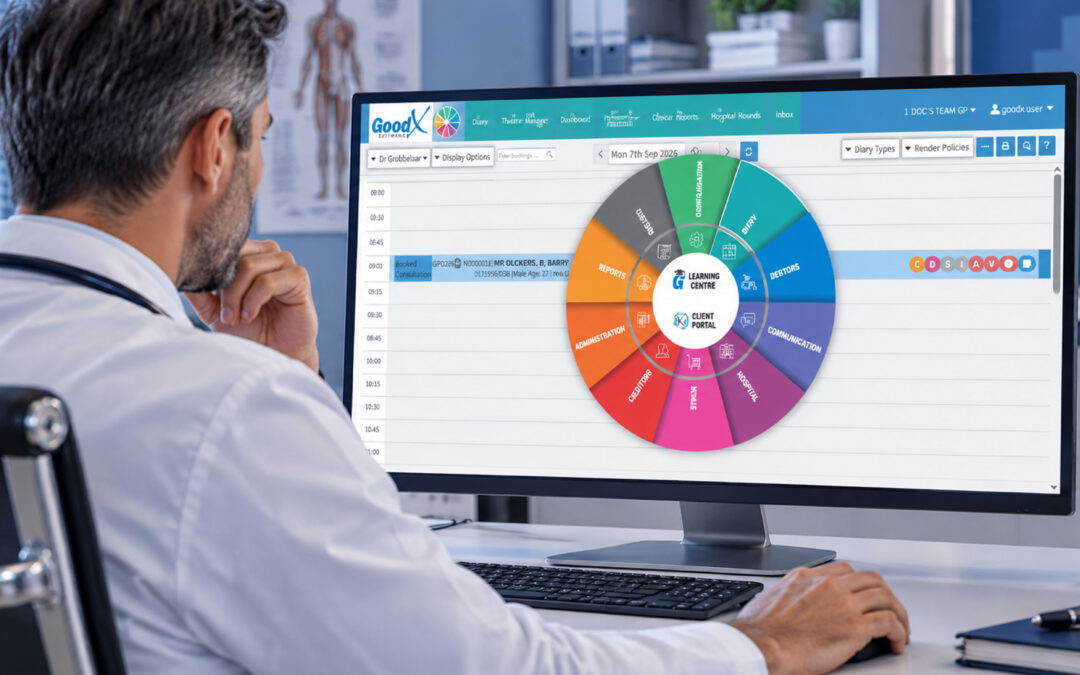
The right healthcare management software does a significant amount of the compliance heavy lifting for you. Systems like GoodX are designed with the South African regulatory environment in mind. Features such as role-based access, encrypted data storage, automated audit trails, and secure patient communication channels are built into the platform rather than bolted on as afterthoughts.
GoodX Courses, available to GoodX subscribers, also provide structured learning paths that cover POPIA compliance, correct use of the system, and best practice for data handling. This addresses pillar three of the compliance framework (education and training) in a practical, accessible way.
For practices that are still using paper records or basic spreadsheet systems, the move to a compliant practice management platform is not just about efficiency. It is about protecting your patients, your staff, and your professional standing.
Frequently Asked Questions
What is healthcare software compliance?
Healthcare software compliance means that the digital tools used in your medical practice meet the legal and professional standards for handling patient data. In South Africa, this includes meeting the requirements of POPIA and the National Health Act, which govern how personal and clinical information is stored, accessed, and shared.
What does POPIA mean for my South African medical practice?
POPIA requires your practice to process patient information lawfully, securely, and transparently. Your software must support role-based access controls, maintain audit trails, and enable you to respond to data breaches promptly. Non-compliance can result in fines or regulatory action from the Information Regulator.
What are the 7 pillars of compliance in healthcare?
The 7 pillars are: written standards and policies, high-level oversight, staff education and training, effective internal communication, ongoing monitoring and auditing, enforcement and disciplinary procedures, and prompt response and correction when issues arise. Together these pillars form a comprehensive compliance management framework for any practice.
Is there a course to help my practice become POPIA compliant?
Yes. GoodX Courses include structured modules on POPIA compliance and correct use of the GoodX platform. These are designed for busy healthcare professionals and support staff, making it practical for teams to get up to speed without significant disruption to daily workflow.
Does GoodX support healthcare software compliance in South Africa?
GoodX is built with the South African regulatory environment in mind. It includes role-based access controls, encrypted data storage, audit trails, and secure communication features that support POPIA compliance. GoodX Courses also provide ongoing staff training to keep your team aligned with current requirements.
See How GoodX Keeps Your Practice Compliant
Healthcare software compliance does not have to be overwhelming. With the right system in place, you can protect patient data, meet your POPIA obligations, and run a more secure, efficient practice. Book a free GoodX demo today and see how South Africa’s leading practice management platform can support your compliance journey.