AI in healthcare stopped being a conference buzzword a while ago. It is in the consulting room now. If you run a practice in Pretoria or a two doctor surgery out in the Eastern Cape, you have probably already used it without thinking too hard about it, maybe a transcription tool that wrote up your last consult, or a scheduler that nudged a patient before a 7am slot.
And yet the noise around it is exhausting.
Half the headlines promise robot doctors. The other half warn that an algorithm will misdiagnose your patients by Friday. Neither view helps when you are trying to decide whether a new tool belongs in your rooms. So here is a plain account: what the technology is, where it genuinely helps, and the parts worth treating with a bit of suspicion.
What is AI in simple words?
Strip away the jargon and AI is software that learns patterns from data, then uses them to predict or suggest something. It is not following rules a programmer typed out by hand. It improves as it sees more examples, the way a registrar sharpens up after a few hundred cases.
In your practice that might look like a tool flagging an odd potassium result, or drafting a note from your dictation while you examine the next patient. People love to ask what are the 7 main types of AI, and the textbook categories matter very little at the coalface. What counts is whether a tool is accurate, safe, and quick to use on a busy morning.
It helps to separate the clever from the routine. Some AI features are really just automation, repetitive steps done faster, and that is still worth having even if no machine is learning anything. The WHO digital health programme gives a level headed picture of where these tools sit in real clinical work.
AI in Healthcare Pros and Cons
Start with what is genuinely good. The best systems cut the admin that eats your evenings, surface a risk a tired clinician might skim past, and shorten the gap between a question and an answer.
The downsides are just as real.
Models can be confidently wrong. They carry the bias of the data they trained on, which in a South African context means a tool built mostly on overseas populations may read local patients poorly. There is also the quiet risk of over reliance, where a clinician stops questioning a suggestion because the screen sounds so certain. The three AI technology categories in healthcare that tend to come up, broadly machine learning, language tools, and workflow automation, each bring their own failure modes, and none of them lift your professional responsibility off your shoulders.
The Health Professions Council of South Africa is clear that the practitioner stays accountable for the clinical decision, whatever software sat in the loop. Worth keeping in mind before you lean on any automated output.
AI in Healthcare Examples
Concrete beats abstract, so here are tools doing real work in practices right now.
Ambient scribes listen to a consult and produce a structured note you edit instead of type from scratch. No show prediction reads booking history and flags the 2pm patient who has missed twice before, so reception can confirm the day ahead. Coding assistants quietly check that what you billed matches what you recorded, which keeps medical aid claims clean and cuts rejections.
Bigger studies keep landing in the journals. Work published in The Lancet has shown image analysis models matching specialist accuracy on specific screening tasks, though always under supervision rather than on their own. That caveat is the whole game.
Where to Start, and What to Skip
If you want to try AI without betting the practice on it, pick one task that eats your time and start there. For most GPs that is documentation. A scribe proves itself within a week or it does not, and you will know quickly either way.
What to skip, at least early on, is anything that promises to diagnose for you or run unsupervised. The risk to reward there is poor, and it is exactly the territory regulators watch most closely. Let the technology prove itself on low stakes admin before you trust it anywhere near a clinical call.
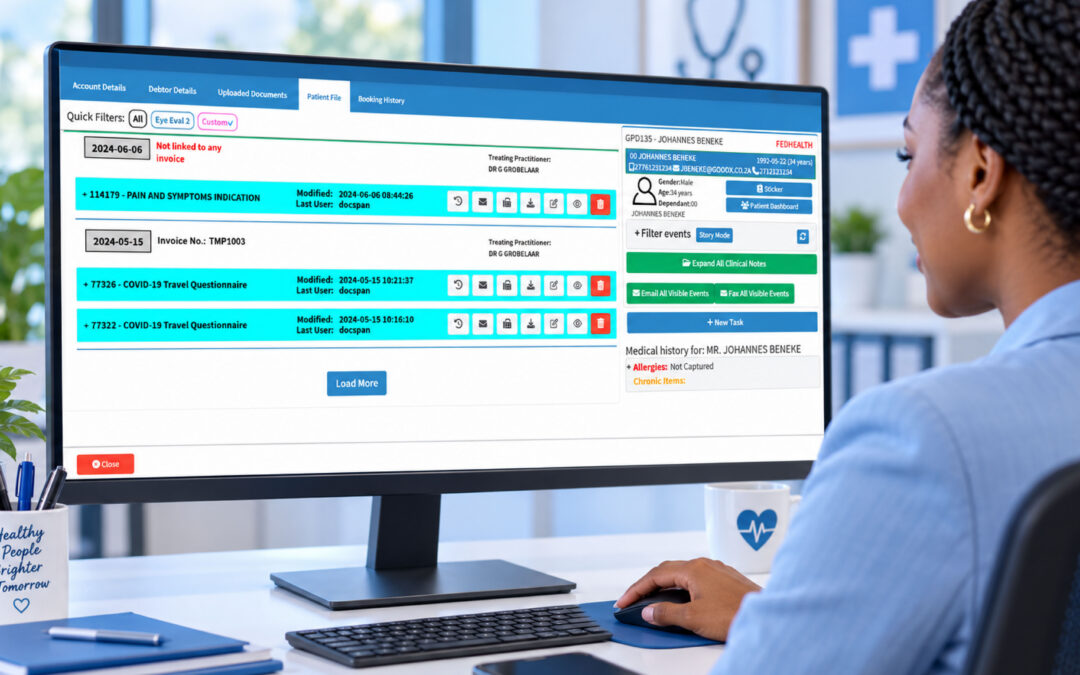
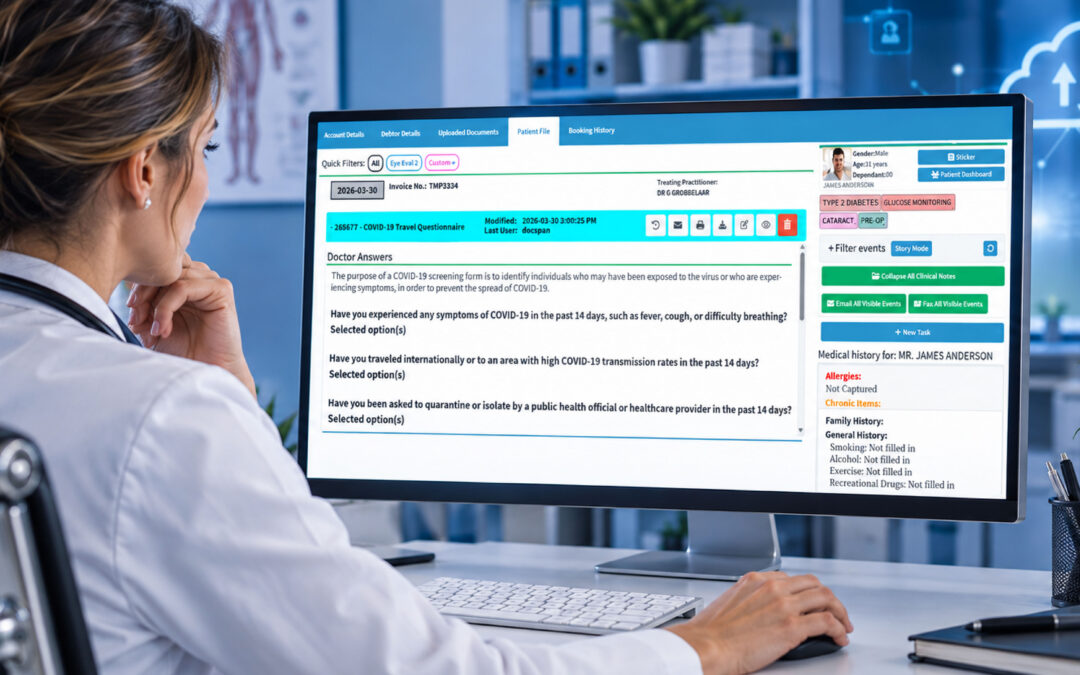
One practical tip that saves grief: choose tools that already live inside your practice management system rather than bolt ons that need their own login and their own copy of patient data. Fewer systems means fewer places for information to leak or drift out of sync, and a far simpler answer when a patient asks where their data is kept.
A Word on Patient Trust
There is a side to this that the technology talk skips over: how your patients feel about it. Plenty of people are uneasy at the idea of a computer involved in their care, and they have a right to be told.
Be open about it. If a tool is recording the consult to draft a note, say so, and explain that you review every word. Most patients are reassured the moment they understand the doctor is still the one deciding. The few who object can simply opt out, and that should be easy to honour.
Quiet transparency builds more trust than a privacy policy nobody reads. A short, plain sentence at the start of a consult does more work than a page of terms. It also keeps you on the right side of POPIA, which expects people to know how their information is being used.
Telling Real AI From Marketing
The word AI sells, so it gets stamped on plenty of software that barely qualifies. Learning to see through that saves money and disappointment.
Ask the vendor what the tool actually does, in plain terms, and what happens when it is wrong. A confident answer about error handling and human review is a good sign. Vagueness, or a refusal to say what data it was trained on, is not. The useful question is never whether something is technically AI, but whether it reliably saves you time or catches something you would have missed.
Frequently Asked Questions
Is AI safe to use in a South African medical practice?
It is safe when it supports your judgement rather than replacing it. Review every suggestion, keep patient data protected under POPIA, and pick tools that log an audit trail. Used that way, AI trims admin and catches the odd missed risk while you stay firmly in charge of care.
Will AI replace doctors in South Africa?
No. AI handles the repetitive parts, drafting notes, flagging risks, sorting bookings, but it cannot replace examination, judgement, or the trust between a GP and patient. The realistic picture is doctors working alongside AI, spending less time on paperwork and more with people.
What are simple examples of AI in healthcare?
Think software that writes consultation notes from your dictation, predicts which patients will miss appointments, supports image screening, and checks billing codes for errors. Each one shortens a daily task and leaves the final clinical call with you rather than the machine.
How many types of AI are there?
Textbooks list seven theoretical types and three broad technology categories, but those labels matter little day to day. What counts in your rooms is whether a tool is accurate, protects patient data, and saves real time. Start there, not with the taxonomy.
How do I start using AI in my practice?
Pick one high effort task, usually documentation or scheduling. Choose a tool built into your practice management system so data stays joined up, confirm it keeps an audit trail, and train your team on its limits before you rely on it for daily work.
Book Your Free GoodX Demo
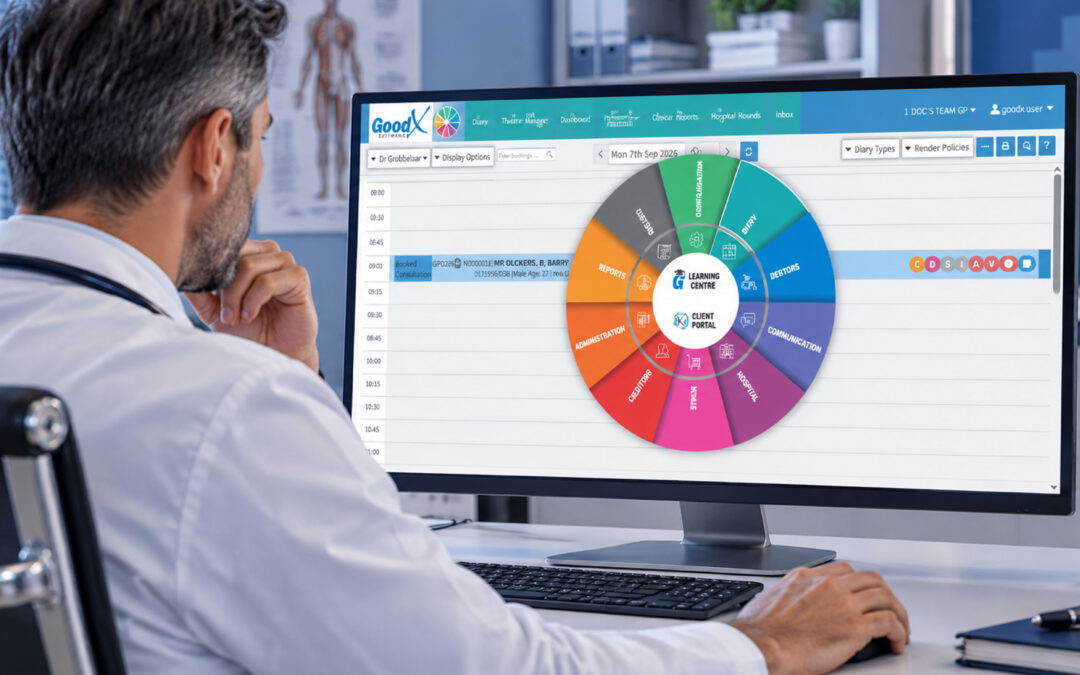
AI does its best work inside a system that already runs your diary, records, and billing as one connected whole. That is where GoodX lives.
Want to see how an AI ready practice system could lighten the load on a Monday morning?