EHR Management Software: How to Choose the Best Solution for Your Practice
Choosing the right EHR management software is one of the biggest decisions you’ll make for your practice. It influences far more than where patient records are stored. The right system shapes how your team works, how smoothly consultations run, how quickly patients move through the practice, and even how efficiently you get paid.
Whether you manage a busy GP practice, a specialist clinic, an allied health practice or a multidisciplinary facility, your software quickly becomes the centre of your day-to-day operations. Every booking, consultation, referral, prescription and invoice depends on it working the way you do.
When most healthcare providers start comparing software, they naturally focus on feature lists. One platform highlights appointment scheduling, another promises faster billing, while another promotes AI-powered documentation. Those features certainly matter, but they don’t tell the whole story.
The real question isn’t which system has the longest list of capabilities. It’s which EHR management software fits naturally into the way your practice delivers care.
For South African healthcare providers, that means choosing software that reduces administrative work, improves clinical workflows, supports compliance, and helps practitioners spend more time with patients instead of paperwork.
In this guide, we’ll walk through what to look for before investing in an EHR solution and explain the features that genuinely make a difference.
What Is EHR Management Software?
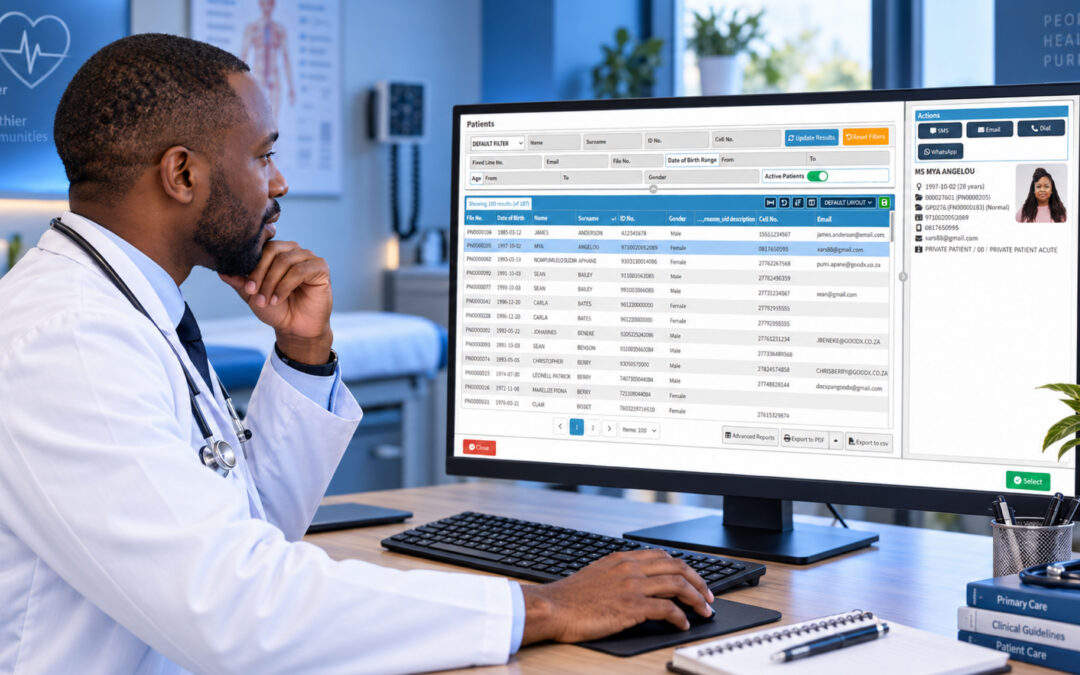
Electronic Health Record (EHR) management software is a digital system designed to securely store, organise and manage patient information throughout their healthcare journey.
Instead of relying on paper files or multiple disconnected systems, healthcare professionals can access a complete patient record from one secure location whenever they need it.
Typically, an electronic health record includes:
Patient demographics
Medical history
Consultation notes
Diagnoses
Allergies
Current medications
Laboratory results
Medical images
Referral letters
Treatment plans
Digital prescriptions
Today’s EHR management software does much more than replace paper files.
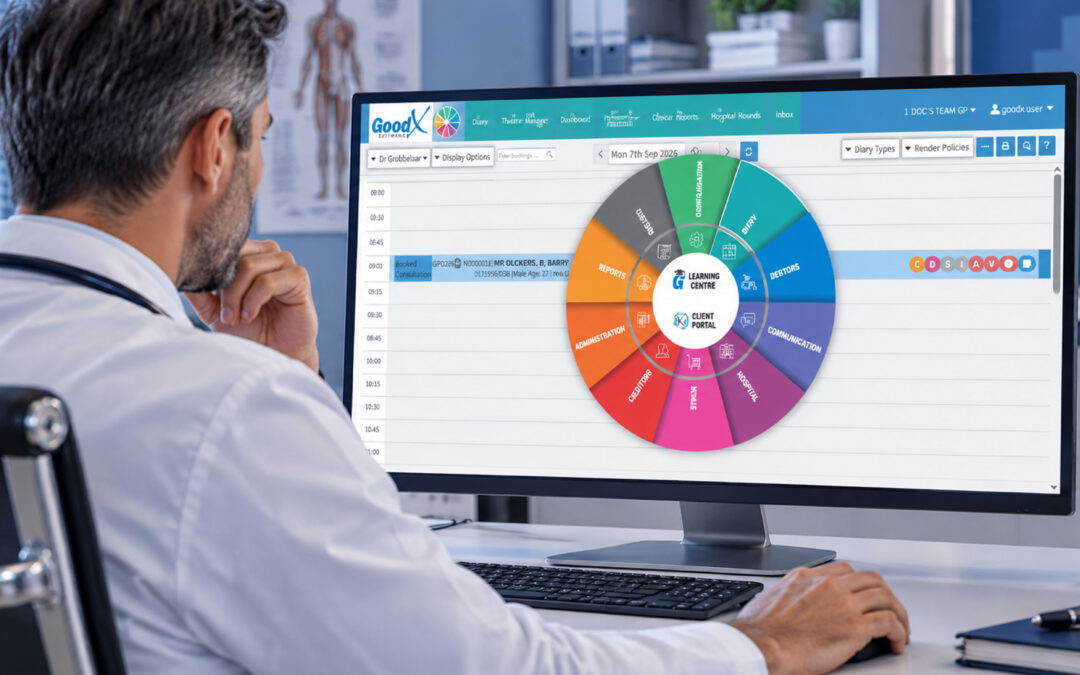
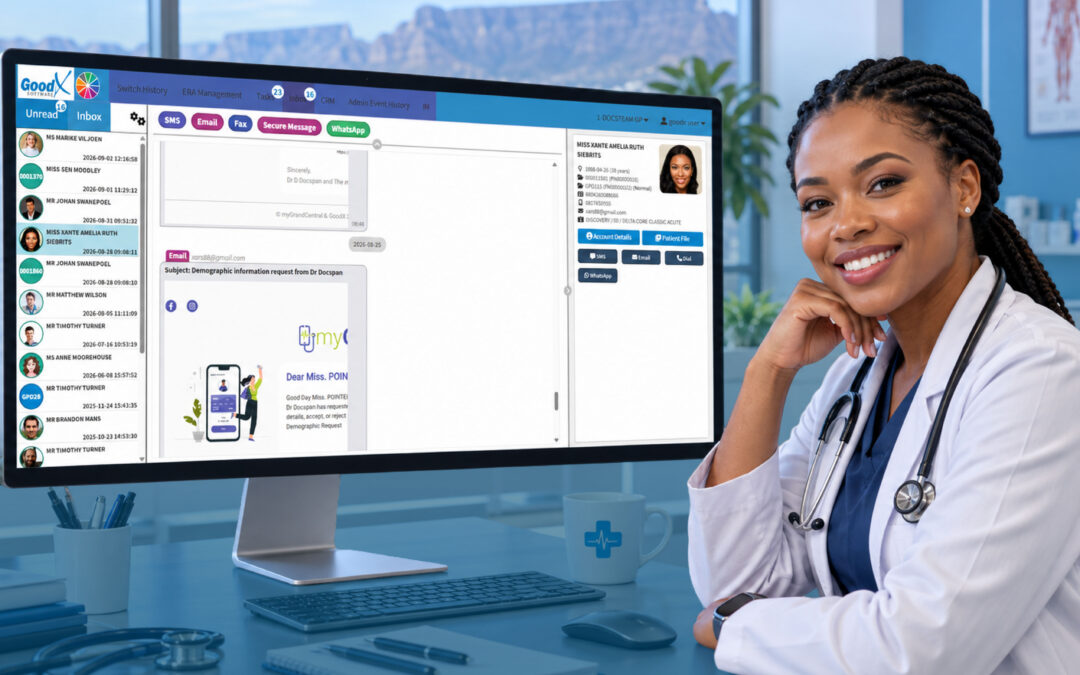
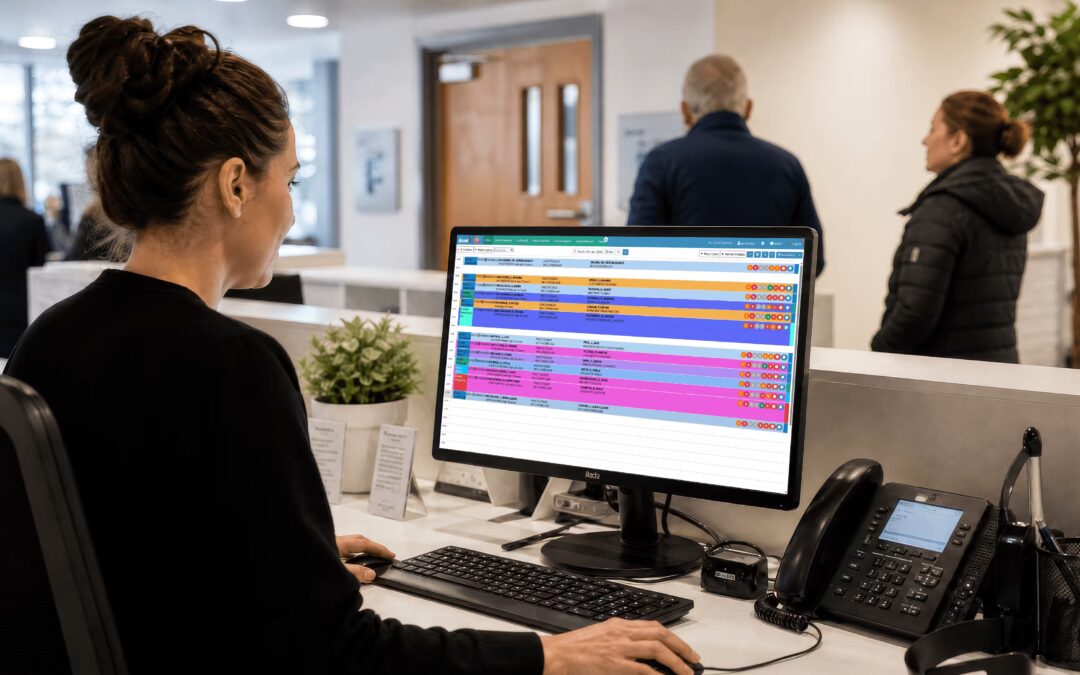
Many modern platforms combine patient records with practice management tools, allowing clinics to manage appointments, online bookings, billing, medical aid claims, telehealth consultations, digital forms, patient communication, reporting and even AI-assisted documentation from one integrated system.
Rather than switching between several applications throughout the day, practitioners have everything they need in one place.
Why EHR Management Software Matters More Than Ever
Healthcare has changed dramatically over the past few years.
Patients expect convenient online bookings, faster communication and a smoother healthcare experience from start to finish. At the same time, clinicians are expected to keep detailed records, comply with regulatory requirements and manage increasing administrative workloads.
Without integrated EHR management software, many practices find themselves dealing with the same challenges every day:
Duplicate data entry
Lost or incomplete clinical information
Billing delays
Time wasted searching through patient records
Administrative bottlenecks
Poor communication between team members
Increased medico-legal risk
These issues don’t just affect staff, they impact patients too.
When information flows automatically through an integrated system, practitioners spend less time looking for information and more time focusing on patient care. That means shorter administrative tasks, better continuity of care and a more efficient practice overall.
EHR vs EMR vs Practice Management Software
These terms are often used interchangeably, but they aren’t exactly the same.
System
Primary Purpose
EMR (Electronic Medical Record)
Stores clinical records created within a single practice.
EHR (Electronic Health Record)
Maintains a broader patient record that supports ongoing care and connected clinical workflows.
Practice Management Software
Handles appointments, billing, finances, communication and daily administrative tasks.
Many leading healthcare platforms now combine all three into one solution. Instead of moving between different systems throughout the day, staff can work from a single platform where clinical and administrative information stays connected.
What Makes Great EHR Management Software?
It’s easy to get distracted by long feature lists, but successful practices usually evaluate software differently.
Rather than asking how many features a platform offers, they ask how well it supports the way their practice actually works.
Here are five areas worth paying close attention to.
1. Clinical Workflows Should Come First
Not all healthcare software starts from the same place.
Some platforms were originally built as billing systems and later expanded into clinical documentation. Others were designed around patient care from day one, with administrative tools added afterwards.
That difference becomes obvious during a busy clinic.
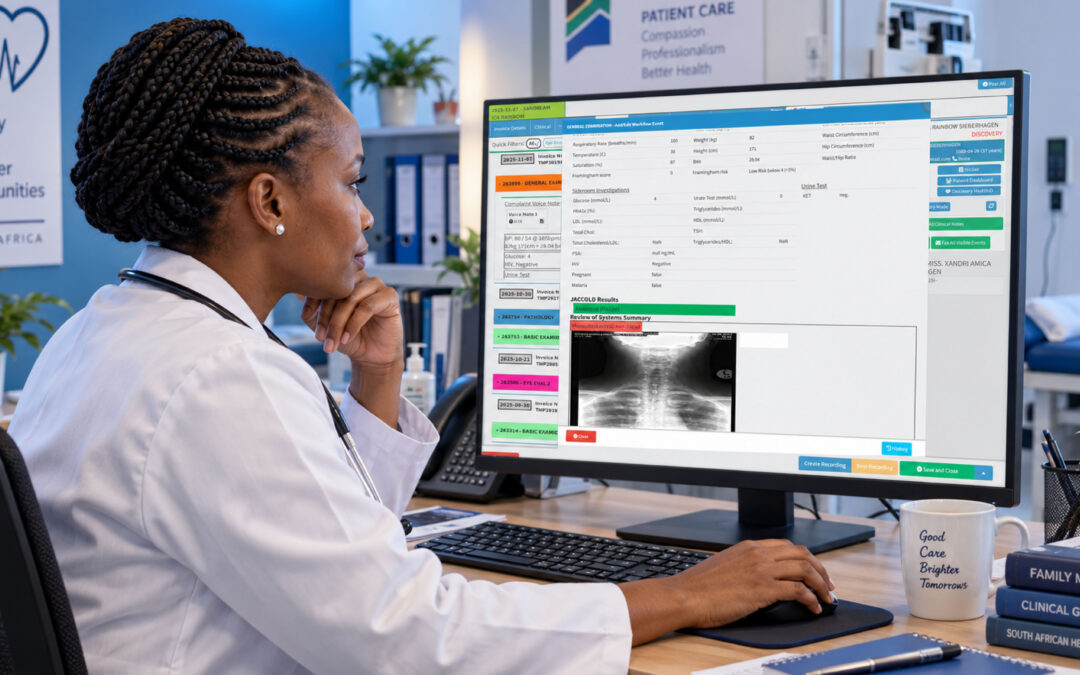
Software built around clinical workflows makes everyday tasks feel natural. Consultation notes, treatment plans, referral letters, prescribing and patient history all fit together without unnecessary clicks or duplicated work.
When your EHR management software supports the way clinicians actually think and work, consultations become smoother and documentation takes less effort.
2. Integration Should Feel Invisible
You’ll often see vendors describe their software as “integrated,” but true integration goes beyond connecting separate modules.
Information should only need to be entered once.
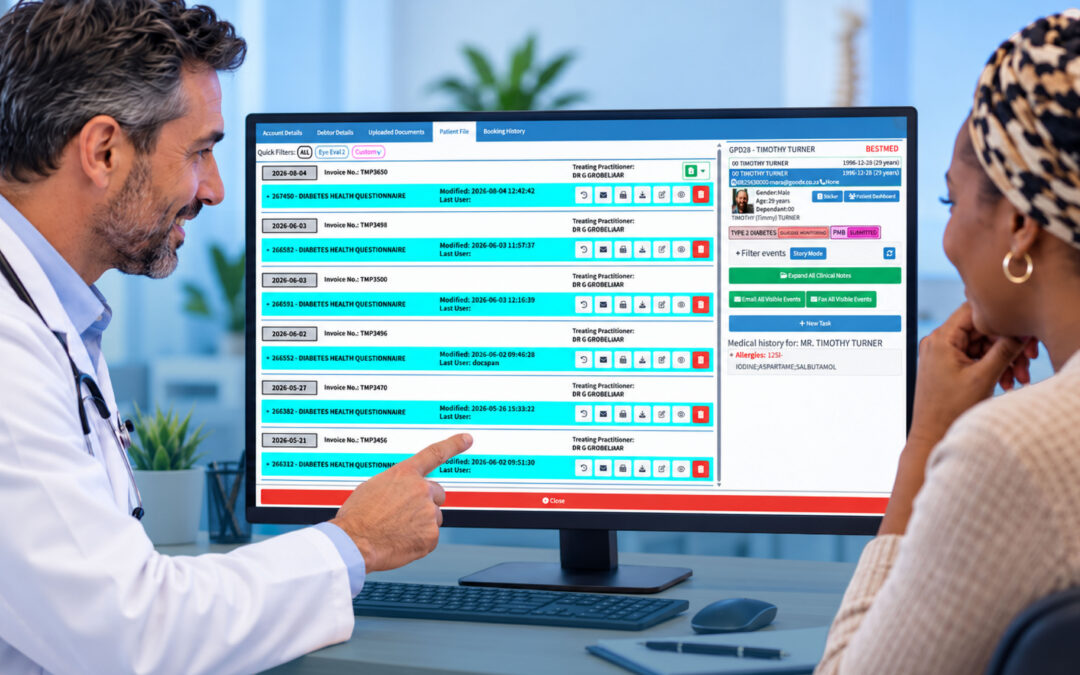
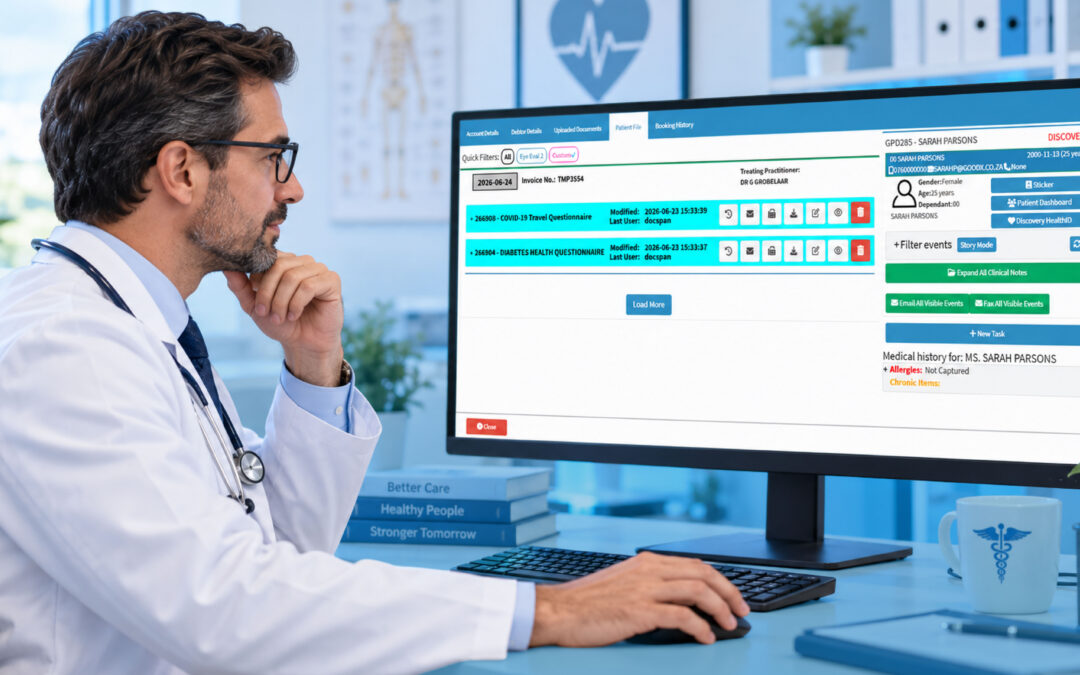
Imagine a patient completing an online medical history before arriving at the practice. Ideally, that information should automatically appear inside their electronic record without anyone copying it across manually.
After the consultation, the same information should flow naturally through the rest of the practice.
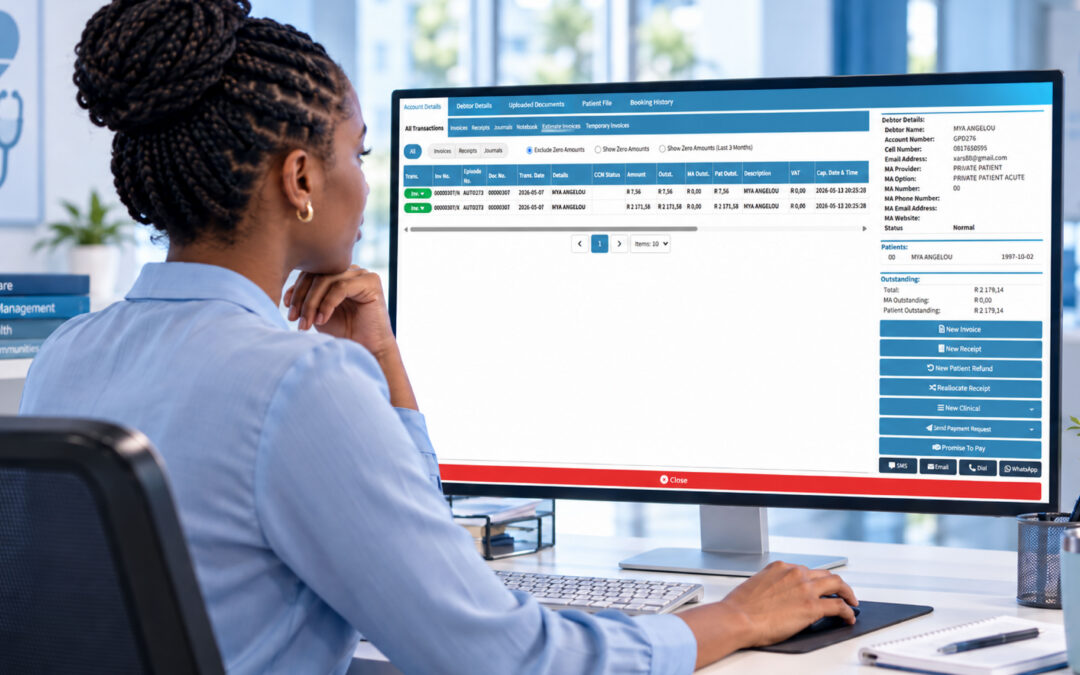
Billing already knows which services were performed.
Referral letters automatically populate patient details.
Follow-up reminders are scheduled without extra administration.
Clinical notes remain linked to the patient’s history.
When everything works together, your team spends less time on repetitive tasks and far more time supporting patients.
3. Good Documentation Protects Everyone
Clinical documentation isn’t just about meeting compliance requirements. It’s also one of the strongest forms of protection for both practitioners and patients.
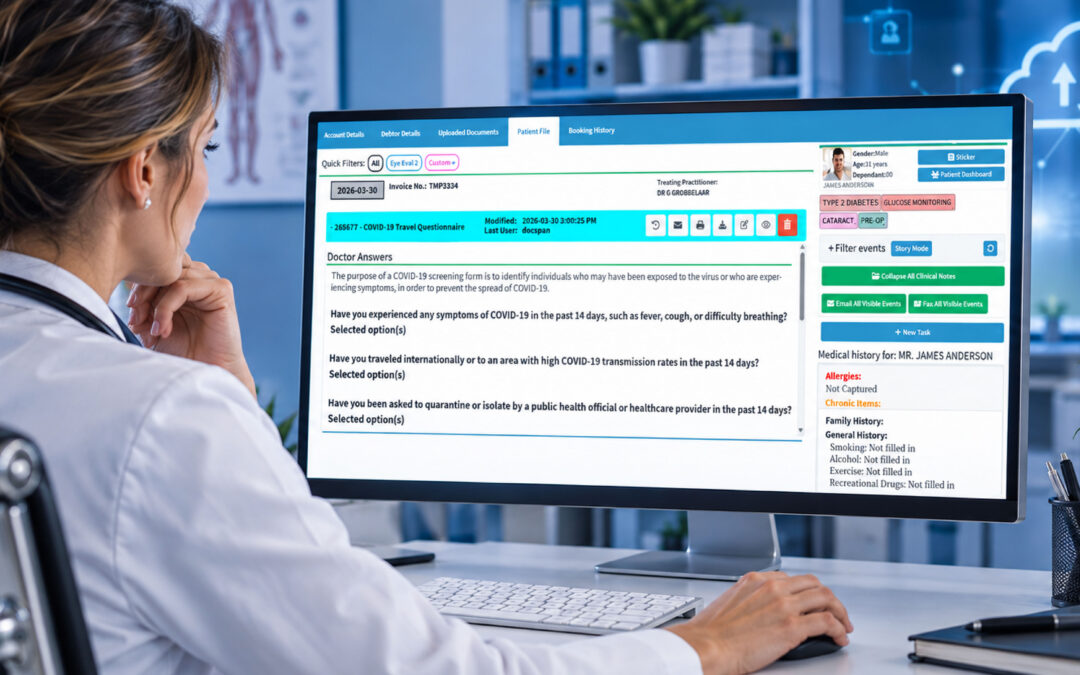
Every consultation should leave behind a clear, structured and accurate record that reflects the care provided.
Quality EHR management software helps by supporting:
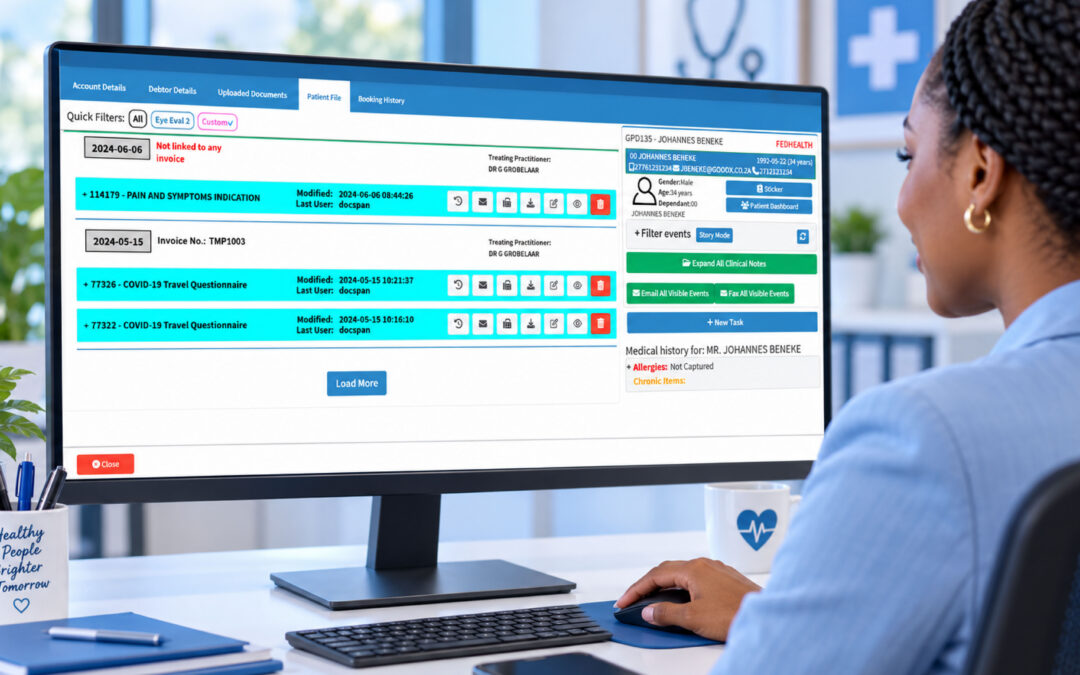
Structured clinical notes
Custom templates
Automatic patient information
Secure audit trails
Version history
Clinical coding
Attachments and scanned documents
Fast document retrieval
Good documentation improves continuity of care today while helping protect your practice in the future.
4. AI Should Make Clinicians More Efficient
Artificial intelligence is becoming a valuable part of modern healthcare software, but its role should be to assist clinicians, not replace them.
Many AI tools focus on generating consultation notes after appointments. While that’s useful, some of the biggest productivity gains happen before the consultation even begins.
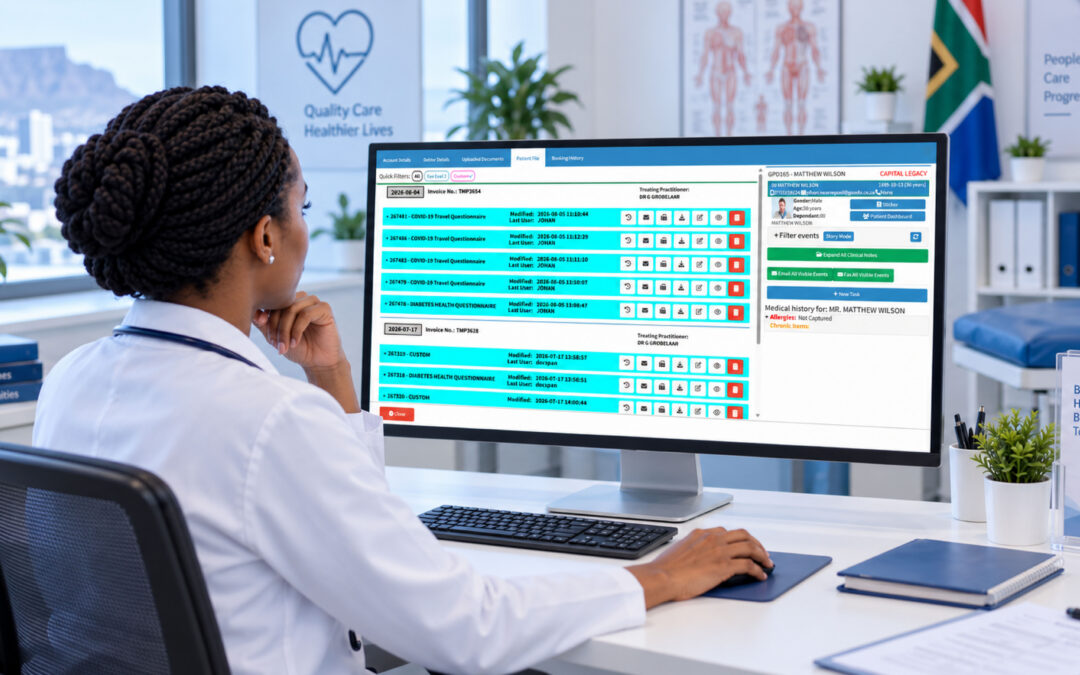
Imagine opening a patient file and immediately seeing a concise summary that highlights previous diagnoses, current medications, allergies, outstanding referrals, recent consultations and important clinical alerts.
Instead of scrolling through years of notes, practitioners can begin every consultation with the information that matters most.
The result is better preparation, faster clinical decision-making and more meaningful conversations with patients.
Ultimately, AI should support professional judgement while leaving the final decisions where they belong, with the clinician.
5. Automation Should Eliminate Repetitive Tasks
Healthcare teams already have enough to manage.
The best EHR management software quietly handles routine administrative work in the background so staff can focus on patients instead of paperwork.
Common examples include:
Appointment confirmations
SMS reminders
Email reminders
Recall notifications
Follow-up messages
Outstanding account reminders
Digital patient intake forms
Online appointment bookings
Even small automations save valuable time across an entire practice, improving efficiency without adding extra work for staff.
Essential Features to Look for in EHR Management Software
When you’re comparing different providers, look beyond the marketing material and ask whether the platform includes:
Secure cloud-based access
Electronic patient records
Appointment scheduling
Billing and medical aid claims
Integrated telehealth
Digital prescriptions
AI-assisted clinical documentation
Online patient forms
Clinical templates
Referral management
Secure messaging
Reporting dashboards
Role-based user permissions
Audit trails
Data backup and disaster recovery
Scalability as your practice grows
At the end of the day, the best EHR management software isn’t the one with the longest feature list. It’s the one that allows your team to work more efficiently, improves patient care and grows alongside your practice.